

Updated September 2025: We have updated the article with the latest industry projections showing accelerated growth rates in the senior care and assistive device markets, new developments in AI-powered and smart wearable assistive technologies, trends favoring home-based and modular living solutions for seniors, and updated regulatory and clinical priorities focusing on inclusive, user-centered product design. Additional sources document these developments and evolving care strategies.
Senior Care Growth: Navigating an Evolving Landscape
The senior care industry is entering a period of significant transformation due to demographic shifts. The aging of the Baby Boomer generation is creating a substantial increase in demand for elder care services. Notably, according to the National Council on Aging, by 2040, about 78.3 million Americans will be aged 65 and over. This growth underscores the critical need for the expansion and evolution of the senior care sector.
U.S. Senior Care Growth: Demographic Drivers and Market Trends
Navigating the Demographic Wave: Senior Care Growth and Market Dynamics
Understanding the aging trend in the U.S. is essential for grasping senior care growth. Older populations are increasing the demand for various care services, ranging from home care to specialized facilities like memory care units. These trends highlight the necessity for diverse offerings in the market. According to the National Investment Center for Seniors Housing & Care, a continued robust demand for senior housing and care facilities is expected due to favorable demographic trends and improving operational conditions. Moreover, projections indicate that the U.S. home care industry is anticipated to exceed $107 billion in 2025, with a compound annual growth rate (CAGR) of 7.4% through 2032, fueled by increased adoption of in-home services and technological enhancements such as telehealth and remote monitoring technologies NCHStats. Similarly, the senior care product market is forecasted to reach $312.4 billion by 2025, with ongoing growth at 8.1% CAGR through 2035, propelled by advances in smart wearable devices, AI integration, and interconnected healthcare solutions Future Market Insights. Envision a senior couple exploring their options among a multitude of choices, where an understanding of market dynamics is vital for informed decision-making.
Exploring Care Options: Home Care and Specialized Programs
From Home to Specialized Care: Understanding the Options Available
Evaluating senior care includes considering options such as home care, assisted living, and memory care, each with its own benefits and challenges. The preference for home care is growing, supported by technologies that enable seniors to age in place with dignity and comfort. As reported by McKnight’s Senior Living, technological advancements in home care are reshaping service delivery. These now include not only telehealth and in-home monitoring systems but also AI-driven diagnostics, smart wearable devices, and flexible support structures designed for individuals aging solo or preferring to remain at home Future Market InsightsAlign Senior Care. Picture a senior using these advanced tools to maintain independence and enhance their overall well-being, supported by inclusive, user-centered design and care models such as Continuing Care at Home (CCaH) and co-housing, which are gaining wider acceptance NCHStats.
Cost and Value in Senior Care: Making Informed Choices
Evaluating Costs and Value: Making the Right Senior Care Decisions
Understanding the financial implications of senior care is crucial. Evaluating various care options requires a clear understanding of cost structures, influenced by regional differences, care level needed, and additional amenities. The importance of market occupancy rates and economic conditions in price determination is highlighted by Senior Housing News. As technological solutions become more widespread—such as remote monitoring, telemedicine, and AI-enabled assistive devices—these can contribute both to improved quality and, in some cases, to cost efficiencies Future Market Insights. For families weighing their options, it’s essential to compare costs against care quality, often using user reviews and expert recommendations as guides.
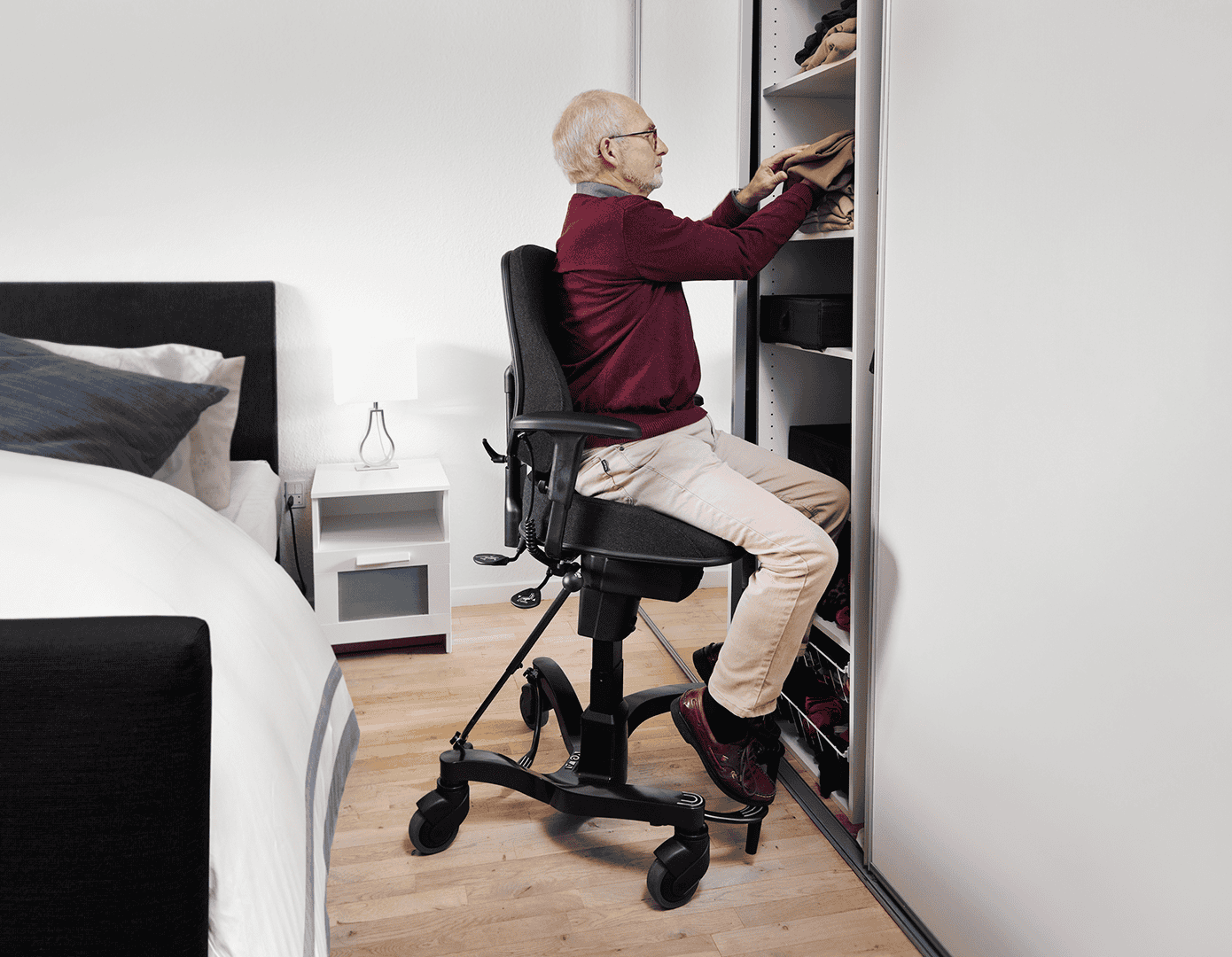
Transitioning from traditional nursing homes, where challenges like fall risks and the need for constant supervision are prevalent, toward solutions that encourage autonomy within the home environment can significantly enhance quality of life for seniors. VELA chairs, a medically approved mobility solution, present an invaluable option for those aiming to maintain independence at home. They offer enhanced safety features, such as a central brake, and support daily activities like cooking and dressing—facilitating freedom of movement and reducing caregiving burdens. These features provide practical senior mobility solutions that ensure aging adults can continue living with dignity and comfort in their own residences. Increasingly, the integration of smart technology and ergonomic design supports these approaches across a variety of living arrangements, including modular and co-housing environments Align Senior Care.
Summarizing Senior Care Growth: Insights and Recommendations
The growth of the senior care industry is driven by demographic changes, diversified service offerings, and innovations that enhance independence. Ongoing regulatory and industry priorities place increasing emphasis on user-centered, inclusive design—particularly for individuals with disabilities, mobility limitations, or those aging solo—supported by the rising adoption of advanced analytics, AI, and interconnected care technologies PR Newswire. To choose the right solution, a careful assessment of costs, benefits, and personal needs is required. The NIC MAP Senior Housing Market Outlook projects continued market growth alongside increased absorption rates in senior housing. These insights lay the groundwork for informed decision-making, ensuring seniors receive the care and support they deserve as the industry evolves.
Supporting Aging in Place: A Practical Option
Seniors looking to extend their independence at home can greatly benefit from the incorporation of mobility solutions like the VELA Chair. Specifically designed to support aging in place, these chairs provide crucial benefits by incorporating a central brake for enhanced safety, electric height adjustability to facilitate ease in transfers, and smooth maneuverability that conserves energy. With features that address fall prevention and ease everyday tasks such as cooking or relaxing, seniors can delay the need for nursing home care. The VELA Chair exemplifies how supportive seating for aging adults can balance dignity and freedom, all while lessening the burdens on caregivers. Although not the sole solution, it stands as a proven and practical method to meet the challenges discussed, offering a way to remain safely and comfortably at home. Embracing modern assistive technology in ergonomic design further aligns with current best practices and the evolving needs of seniors and their families.
- U.S. Home Care Industry Market Size and Growth Projections, NCHStats (2025)
- Senior Care Product Market Trends and Technology Advances, Future Market Insights (2025-2035)
- Senior Living Market Growth and AI Influence, PR Newswire (2025-2029)
- 2025 Growth Outlook for Senior Housing and Care, National Investment Center (NIC)
- Senior Living Industry Trends 2025, Align Senior Care