

Driving Innovation in Senior Care Health and Rehabilitation in 2025
As we navigate through 2025, the senior care health and rehabilitation landscape is undergoing significant transformations. These changes are largely driven by the increasing demands of an aging population. By 2025, 17.5% of the U.S. population will be aged 65 or older. A staggering number of these seniors, nearly 90%, prefer to “age in place” rather than move to institutional settings, highlighting the crucial need for effective and adaptive senior care solutions. According to Argentum, this trend underscores a shift in care preferences.
Navigating the Evolving Senior Care Landscape
This demographic trend is fueling a shift towards home-based care solutions over traditional institutional settings. According to CliftonLarsonAllen, many senior care providers are innovating their service offerings to align with these preferences. A case in Wichita Falls showcases a local facility that revolutionized its care model by successfully integrating home care services, allowing seniors to access necessary assistance while staying connected to their community.
Consider Mr. Johnson, a senior residing in Wichita Falls, who continues to live at home aided by a customized care plan that employs local resources and mobile technologies. This practical example underlines the real-world application of innovative care solutions and demonstrates a tangible impact on quality of life for seniors.
Harnessing Technology for Improved Senior Care
Technology is playing a pivotal role in the senior care revolution, offering modern solutions to age-old challenges. According to McKnight’s Senior Living, tools like predictive analytics and telehealth are significantly transforming senior care processes. Remote monitoring systems and telehealth platforms have improved care efficiency by enabling providers to engage in timely interventions.
In a forward-thinking senior community, the implementation of mobile apps for streamlined care coordination is just one example of technological prowess. Notably, a senior in this community was able to avoid unnecessary hospitalization, thanks to the application of predictive health assessments and real-time monitoring.
Addressing Workforce Challenges in Senior Care
The senior care industry continues to face workforce challenges, notably caregiver shortages. As noted by NCHStats, many facilities are tackling this challenge by adopting innovative recruitment and retention strategies. Assisted living centers have not only implemented rigorous recruitment drives but have also introduced mentorship programs aimed at reducing turnover and creating a supportive work environment.
A success story in this domain involves a caregiver program that significantly bolstered staff retention rates, thereby ensuring the continuity and quality of care provided to seniors.
Enhancing Mobility and Independence for Seniors
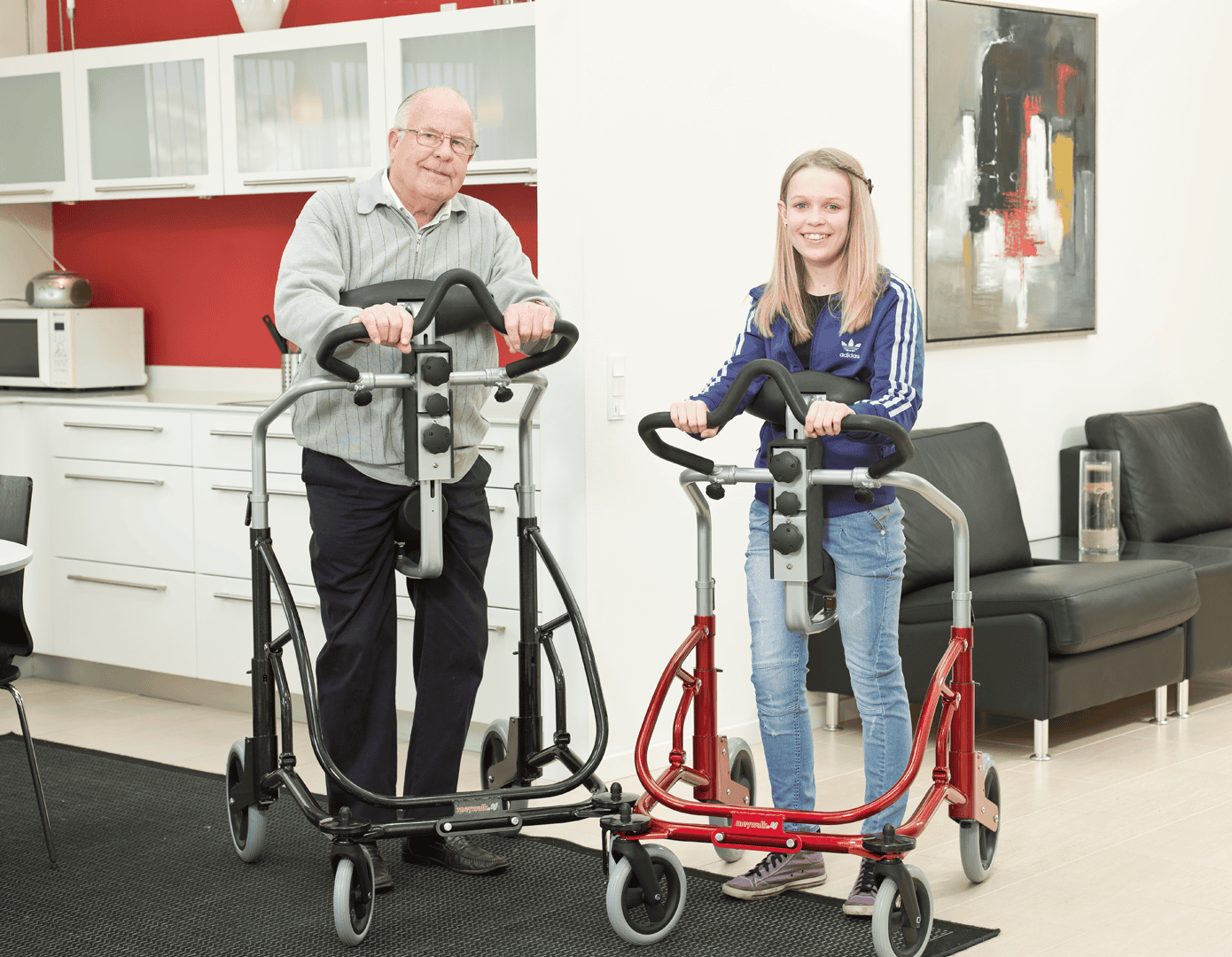
While nursing homes struggle with these challenges, innovative solutions that promote independence for older adults are gaining traction. The VELA Independence Chair offers one such solution, as it is a medically approved mobility chair designed for use at home. It provides enhanced safety, freedom of movement while seated, and support for daily activities like cooking, dressing, or transferring — all while reducing the load on informal caregivers. Such adaptations are proving essential for those who want to maintain their independence and continue living at home.
Charting the Future: Industry Resilience and Innovation
The future of the senior care health and rehabilitation sector in 2025 is characterized by a blend of challenges and opportunities. While the industry is primed for growth thanks to demographic trends and technological advancements, overcoming workforce shortages and managing financial constraints remain critical for sustaining care quality.
Providers that prioritize innovation, forward-planning, and technology leverage are expected to thrive amidst these complexities. It is crucial that a collaborative effort among providers, policymakers, and tech partners materializes to build a robust, high-quality care system that addresses and adapts to the myriad needs of our aging population. Through resilience and strategic recovery, the industry can continue to offer dignified and empowering aging experiences for seniors across the country.
For those determined to age in place, solutions such as the VELA Independence Chair are invaluable. This mobility chair, with features like a central brake for safety, electric height adjustability, and ease of movement while seated, provides help for seniors at home. With such features, the VELA Chair addresses common issues such as safety and energy conservation, allowing seniors to delay or altogether forgo the transition to a nursing home. Imagine the freedom of preparing meals, moving around the house, or simply relaxing with less risk of falls. Coupled with the ability to reduce strain on caregivers, the chair enhances both independence and dignity, making daily life not just manageable, but enjoyable. While not the only solution, VELA stands out as a proven and practical aid in the landscape of senior care solutions.