

Updated September 2025: We have updated the article with new trends in assistive technology integration, including AI-enhanced fall detection, smart mobility aids, and immersive rehabilitation tools such as virtual reality. Updates also cover evolving ergonomic design practices, regulatory changes, and workforce hiring strategies that emphasize both technological literacy and soft skills.
Understanding the Future of Senior Care Hiring
The demand for senior care services is surging, driven by an aging population and changing preferences in how the elderly wish to live their later years. According to Growtha, the U.S. home healthcare market is set to expand by 64% by 2032. This growth underscores the profound need for an effective, innovative approach to hiring in the senior care industry. In particular, with 9 out of 10 seniors preferring to age in place, the demand for quality home care services is acute, highlighting both opportunity and challenge for service providers.
Navigating the Surge in Home Care Demand
Demographic changes are a significant driver behind the increased need for senior care. The number of seniors requiring assisted living services is expected to more than double by 2040 as more individuals live longer and choose to remain independent at home. This shifting dynamic has resulted in families turning increasingly to home care services. For instance, consider the real-life example of the Johnson family, who opted for a professional home care provider to ensure their elderly mother could safely and independently live in her cherished home environment, aligning with her wishes.
Market insights from NCH Stats confirm this trend, noting substantial growth in the home care sector. This preference for aging in place necessitates strategies to meet the burgeoning demand effectively and sustainably.
Addressing Workforce Shortages in Senior Care
Concurrently, the senior care industry faces the critical challenge of workforce shortages. The senior living workforce is projected to surpass 1 million employees by the end of 2024, which speaks volumes about the sector’s resilience and necessity in recovering from past challenges. Nevertheless, 59% of agencies report difficulty finding and retaining skilled caregivers, compounding pressure on existing staff. This reflects broader workforce shortages highlighted by industry reports, with agencies adopting innovative approaches to recruitment and staff development strategies that now increasingly include technological training and specialization, in response to the adoption of advanced care technologies.[2]
To mitigate these shortages, innovative strategies are essential. For example, a senior care facility in Seattle has implemented comprehensive career advancement programs, significantly reducing turnover rates and enhancing employee satisfaction. This approach not only aids in retaining existing staff but also positions the facility as an employer of choice in the competitive labor market. Insights from McKnights Home Care and industry sources identify a growing emphasis on recruiting with a focus on both soft skills and technological literacy, including familiarity with new assistive devices and telehealth platforms.[7]
Harnessing AI for Efficient Senior Care Recruitment
Technology is at the forefront of revolutionizing recruitment within senior care. The integration of AI into hiring processes exemplifies this shift. According to McKnights Home Care, tools powered by artificial intelligence can streamline resume screening, aid in onboarding, and optimize staffing schedules, enhancing operational efficiency while ensuring quality care standards. A leading care provider adopted AI technology to automate initial candidate selection, resulting in a 30% reduction in time-to-hire, easing HR’s pressures significantly.
However, it is crucial to maintain the human element in this process. While AI offers operational advantages, the core of caregiving lies in interpersonal connections. Balancing technology with person-centered care is paramount. The Senior Housing News resource, among others, highlights not only the technological innovations changing the landscape of senior support but also emphasizes evolving staff skill requirements. Providers are now expected to seek workforce candidates who combine compassion with fluency in using intelligent assistive tools, AI-driven monitoring, and digital health systems.[6]
Positioning for the Future of Senior Care Hiring
As we position ourselves for the future, addressing senior care hiring challenges with innovative strategies and comprehensive care solutions will be vital. According to Argentum, longevity in this evolving market relies on resilience, adaptability, and a forward-thinking approach that harmonizes technological innovation with personalized care delivery.
Updated regulatory frameworks now encourage multi-disciplinary collaboration that combines physical, occupational, and technological interventions to optimize seniors’ mobility and quality of life. Additionally, accessibility standards in care environments and staff training in technology use are emphasized for better adoption and safety.[4]
By embracing these methodologies, providers can not only meet the current demand but also pave the path for sustainable growth and leadership in senior care, ensuring that aging in place remains a viable and fulfilling option for seniors across the nation.
How Mobility Solutions Like VELA Make a Difference
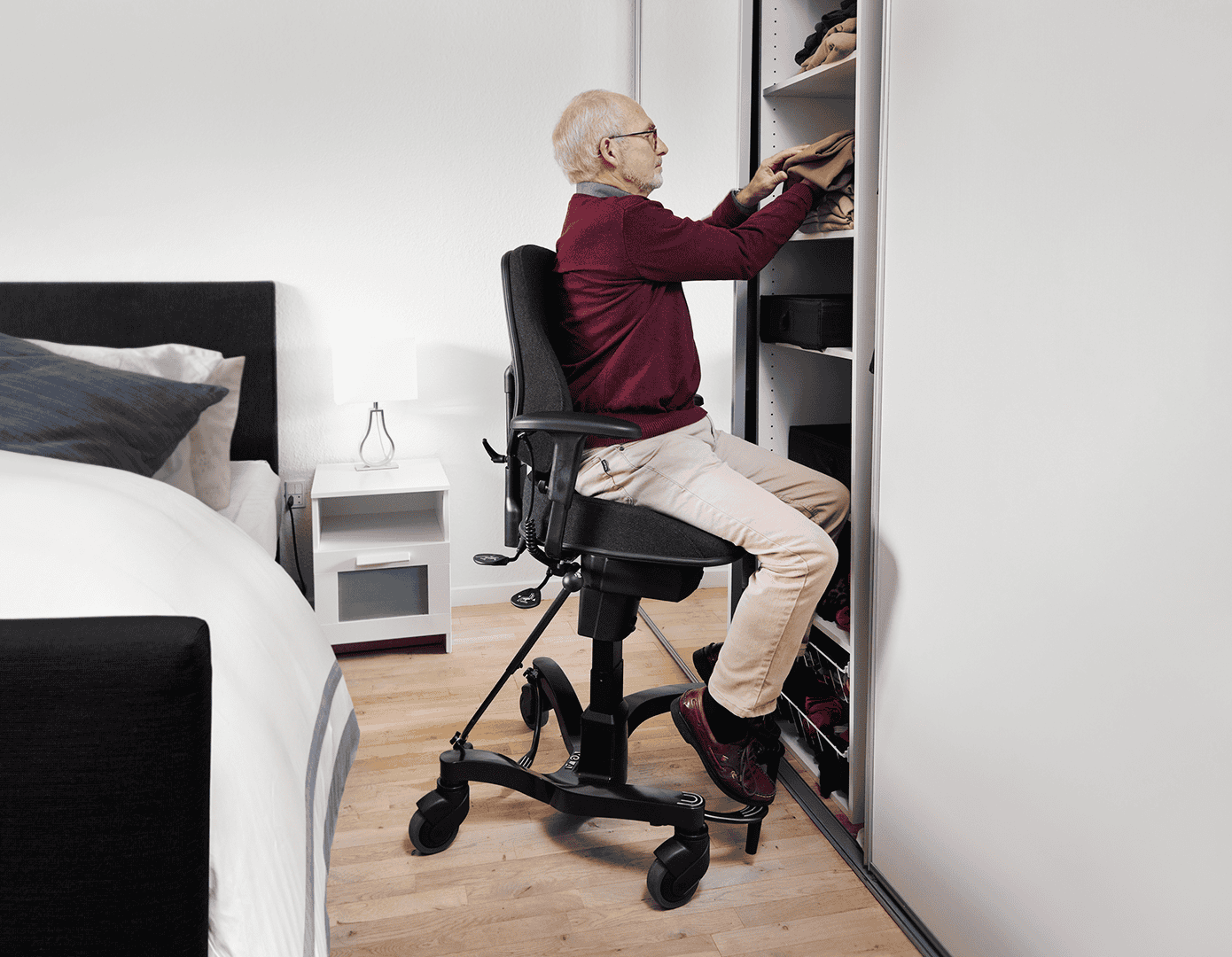
Mobility solutions such as the VELA Independence Chair offer a meaningful way for seniors to extend their ability to live independently at home. Features like a central brake for stability, electric height adjustability for ease in standing or sitting, and the capacity to move freely while seated address key challenges like safety and energy conservation. This chair not only assists in daily activities like cooking and dressing but also helps defer the need for more intensive care settings, thereby providing seniors with greater dignity and freedom. While VELA is not the only option, it stands as a proven choice among senior chairs to support safe mobility, offering significant benefits in maintaining a fulfilling and independent lifestyle at home.