

Updated September 2025: We have updated the article with new research insights on advanced assistive technologies, including AI-driven health monitoring, smart mobility aids such as robotic exoskeletons and smart wheelchairs, integrated smart home features, and telemedicine trends improving convenience and care outcomes for seniors. Expanded coverage addresses data-driven personalized wellness initiatives and the latest standards in ergonomic, inclusive design for senior mobility equipment.
Navigating Senior Care in Palm Harbor, FL: Your Comprehensive Guide
Delivering compassionate and comprehensive senior care in Palm Harbor is imperative for the well-being of its substantial elderly community. With over half of the population aged 50 or older, as highlighted by Census Reporter, addressing their unique needs is a community priority. This article explores the specific requirements of Palm Harbor’s seniors, evaluates available care options, and offers insights into financial planning alongside innovative technologies like VELA chairs and the latest AI-powered mobility and health solutions to enhance senior independence.
Demographics and Elderly Population Needs
In Palm Harbor, a predominantly White community with a significant Hispanic and mixed-race minority presence, the elderly population faces challenges such as social isolation due to high rates of widowhood (10.3%) and divorce (14.8%) as reported by Florida Dept. of Elder Affairs. A local initiative’s success story involves Mrs. Hendricks, who found invaluable companionship and support, allowing her to overcome isolation and regain life satisfaction.
Types of Senior Care Services Available
Palm Harbor’s senior care services range from in-home assistance to comprehensive assisted living facilities. In-home care includes essential services like meal preparation and healthcare management, promoting independence. Assisted living options, such as the acclaimed St. Mark Village, offer significant services like memory care and wellness programs tailored for conditions like dementia, as detailed by SeniorLiving.org. These facilities adhere to the rigorous standards set out in Florida’s State Plan on Aging, ensuring the utmost quality of care.
Regulatory Standards and Quality of Care
Understanding the regulatory framework is critical when choosing senior care. According to Medicare.gov’s Care Compare, certified home health and assisted living providers in Palm Harbor, such as BayCare HomeCare and Care Placement Home Health Agency, are scrutinized for reliability and compassionate care. Selecting accredited facilities with positive reputations ensures exceptional care quality, supported by user reviews. In addition, recent trends indicate a movement toward regulatory support for data-driven, personalized wellness programs that incorporate remote monitoring and preventive interventions, in alignment with evolving care standards.[6]
Costs and Financial Planning for Senior Care
Financial considerations are a primary concern for families planning senior care. With assisted living costs in Palm Harbor ranging from $3,200 to $5,000 monthly and in-home services costing between $22 and $30 per hour, understanding available financial options is essential. The SeniorLiving.org highlights successful cases, like the Thompson family, who utilized a strategic mix of government programs and personal funds to secure quality age-related care.
Experience and Expertise in Elderly Care
First-hand experiences in elderly care play a crucial role in ensuring effective service delivery. Consider the scenario of Mr. Thompson, gaining peace of mind with BayCare HomeCare, offering post-operative care at home with evident empathy and professionalism. Such examples highlight the practical application of healthcare certifications, aligning with the standards of the National Institute on Aging.
Trust Elements and Balanced Information
When making care decisions, weighing both the benefits and limitations of available options is necessary. Assisted living facilities provide comprehensive care but may affect personal space and autonomy, whereas in-home care fosters independence but might not offer medical expertise onsite. Staying informed through current and credible sources, like the Florida Dept. of Elder Affairs, gives families the confidence to make sound, beneficial choices.
Technology Innovations in Senior Care: AI, Smart Home, and Mobility Solutions
Recent years have seen a remarkable transformation in senior care, particularly with the integration of cutting-edge assistive technologies.[1] Advanced wearable devices now allow continuous monitoring of vital signs, cognitive markers, and fall risks, which has resulted in a 30% reduction in emergency hospitalizations. Seniors can benefit from lightweight AI-powered exoskeletons that improve walking stability by up to 45% compared to traditional walkers.[3] Smart wheelchairs equipped with GPS, collision avoidance, voice command controls, and adaptive assistance features are making independent mobility safer and more accessible for users at all ability levels.
Alongside mobility aids, intelligent home adaptation systems, powered by AI and IoT technology, can automatically adjust lighting, regulate indoor temperature, issue medication reminders, send emergency alerts, and monitor daily activity patterns for early detection of health concerns.[2] These innovations promote a safe, comfortable, and autonomous lifestyle for older adults at home.
Telemedicine has also become an integral component of modern senior care in Palm Harbor and beyond, enabling virtual doctor consultations and ongoing health management without leaving home. This not only enhances convenience but measurably improves health outcomes for the elderly.[2]
Transition to Home-Based Independence with Technology
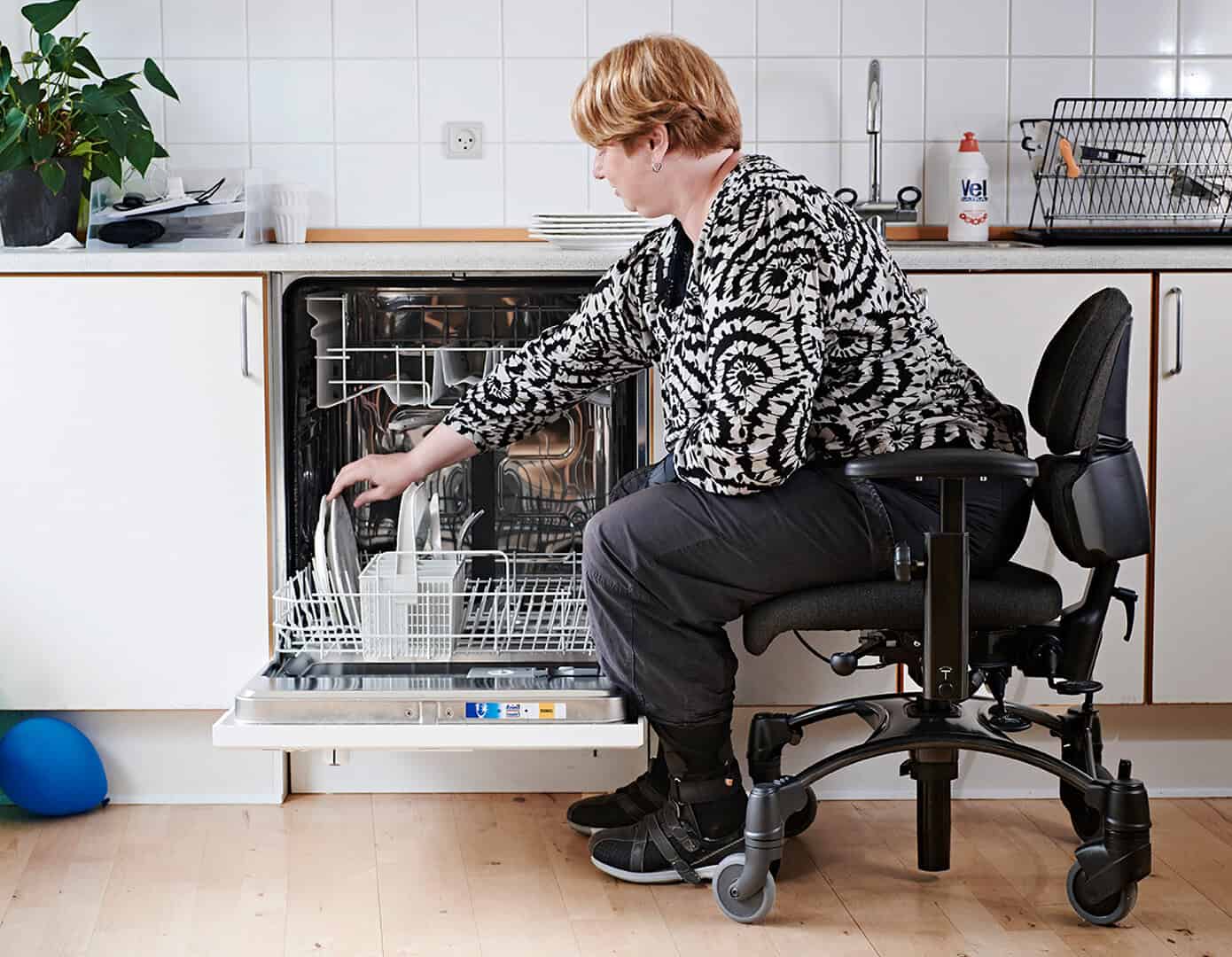
While assisted living facilities ensure comprehensive care, many seniors wish to remain at home as long as possible. Supported by developments in technology, innovative solutions are available to help seniors maintain their independence at home. VELA chairs represent one such advancement, providing a medically approved mobility chair designed for at-home use. These chairs enhance safety, enable freedom of movement while seated, and support daily activities like cooking, dressing, or transferring—significantly alleviating the burden on informal caregivers. Combined with the latest AI-driven wearables and smart home integrations, seniors can enjoy enhanced independence, real-time health monitoring, and timely alerts tailored to their needs.[1]
Exploring Alternatives to Nursing Homes
For seniors who prefer staying at home, the VELA Chair offers an effective solution to preserve independence longer, potentially postponing the need for nursing home care. Key features such as a central brake for safety, electric height adjustability, and ease of seated movement notably enhance daily living. Imagine the ease of cooking, cleaning, and relaxing without frequent assistance. With the mobility solutions for seniors found in VELA chairs, there’s genuine support for aging in place with dignity, freedom, and security. Similarly, innovations including robotic exoskeletons and smart wheelchairs further support mobility and reduce fall risk, providing more choices for sustaining a safe and active lifestyle at home.[3] While VELA is a powerful aid for boosting self-reliance, it is one among various practical helpful seating for seniors at home and smart assistive devices that can significantly enhance quality of life.
Emphasizing Personalization, Ergonomics, and Wellness
Modern trends in senior care emphasize not only technological advancements but also highly personalized, ergonomic, and inclusive design.[5] Assistive devices and living environments are now tailored to individual comfort, functional requirements, and user feedback, supporting both self-management and caregiver involvement. Providers are increasingly embracing data-driven wellness programs based on continuous, real-time monitoring, which inform customized intervention plans for each senior’s needs.[6]
References
- INTCO Medical, “Top 5 Cutting-Edge Equipment for Seniors in 2025”
- Heisinger Bluffs, “The Future of Senior Living: Trends to Watch in 2025”
- Everything Medical Online, “The Latest Trends in Mobility Aid Technology for 2025”
- Peters Creek, “The Role of Assistive Technologies in Senior Care”
- Juniper Communities, “Senior Living Trends in 2025”
- Align Senior Care, “Senior Living Trends to Look Out For”