

Updated September 2025: We have updated the article to reflect new trends in digital and AI-driven technologies in senior care, advances in holistic and personalized care models, regulatory shifts including the pending Medicare expansion for in-home services, and emerging housing models for diverse senior populations. Additional sources on operational and wellness innovations have been integrated.
Senior Care Industry 2025: Comprehensive Analysis and Future Outlook
The senior care industry is navigating a period of substantial transformation shaped by demographic shifts, technological advancements, and evolving regulations. By 2025, the market is projected to reach a valuation of $1,132.54 billion, with a notable growth rate of 8.4% from 2024. The retirement of the Baby Boomer generation is escalating demand for diverse senior care services. The sector’s evolution is underscored by a projected senior population of 100 million by 2060, emphasizing the growing need for comprehensive care solutions and new assisted living trends.
Demographic Shifts and Market Growth
The primary driver of industry growth is the unprecedented aging of the Baby Boomer population. Approximately 73 million Boomers are reaching retirement age, spiking demand for services ranging from home care to assisted living. This demographic shift necessitates an expansion of the senior care advisory industry, currently valued at $1.2 billion, which supports families in navigating these options.
Current Market Conditions and Challenges
The senior housing sector has displayed resilience, with post-COVID occupancy levels nearly returning to pre-pandemic rates as demand continues to outpace supply. Despite these favorable conditions, the market faces challenges with new construction due to capital limitations and high costs. Additionally, approximately $10 billion in senior living loans maturing in 2025 will necessitate strategic recapitalization efforts according to McKnight’s Senior Living.
Regulatory Changes and Operational Dynamics
Increased regulatory scrutiny on staffing and operational standards is redefining senior care, especially for facilities accommodating complex care needs. The sector is experiencing consolidation, with mergers and acquisitions enhancing operational efficiencies and regional expansion. An example includes an acquisition poised to align with strategic growth while benefiting from synergies. Importantly, regulatory and policy developments in 2025 highlight a pending significant expansion of Medicare coverage to include in-home senior care services, such as home modifications and caregiver compensation. This anticipated policy shift aims to support more seniors aging in place, offering cost-effective alternatives to institutional care and providing support for informal caregivers.NCHStats, 2025
Technological Advancements and Future Trends
Technology is central to redefining care models, enhancing efficiency, and addressing staffing challenges. Advances in remote monitoring, AI-driven predictive care, and telehealth are increasingly integrated into senior living communities, supporting personalized rehabilitation and inclusive product delivery.CLAconnect, 2025 Digital health tools are now essential for remote monitoring and integrated data sharing, while operational automation such as AI-enabled staff scheduling and care planning helps providers manage growing care needs and labor shortages.Juniper Communities, 2025 A case study illustrates a nursing home leveraging digital tools to boost resident care, service delivery, and financial sustainability. The shift toward personalized care, fueled by technology, is anticipated to dominate, meeting the demand for individualized care plans.
Supporting Aging in Place: A Practical Option
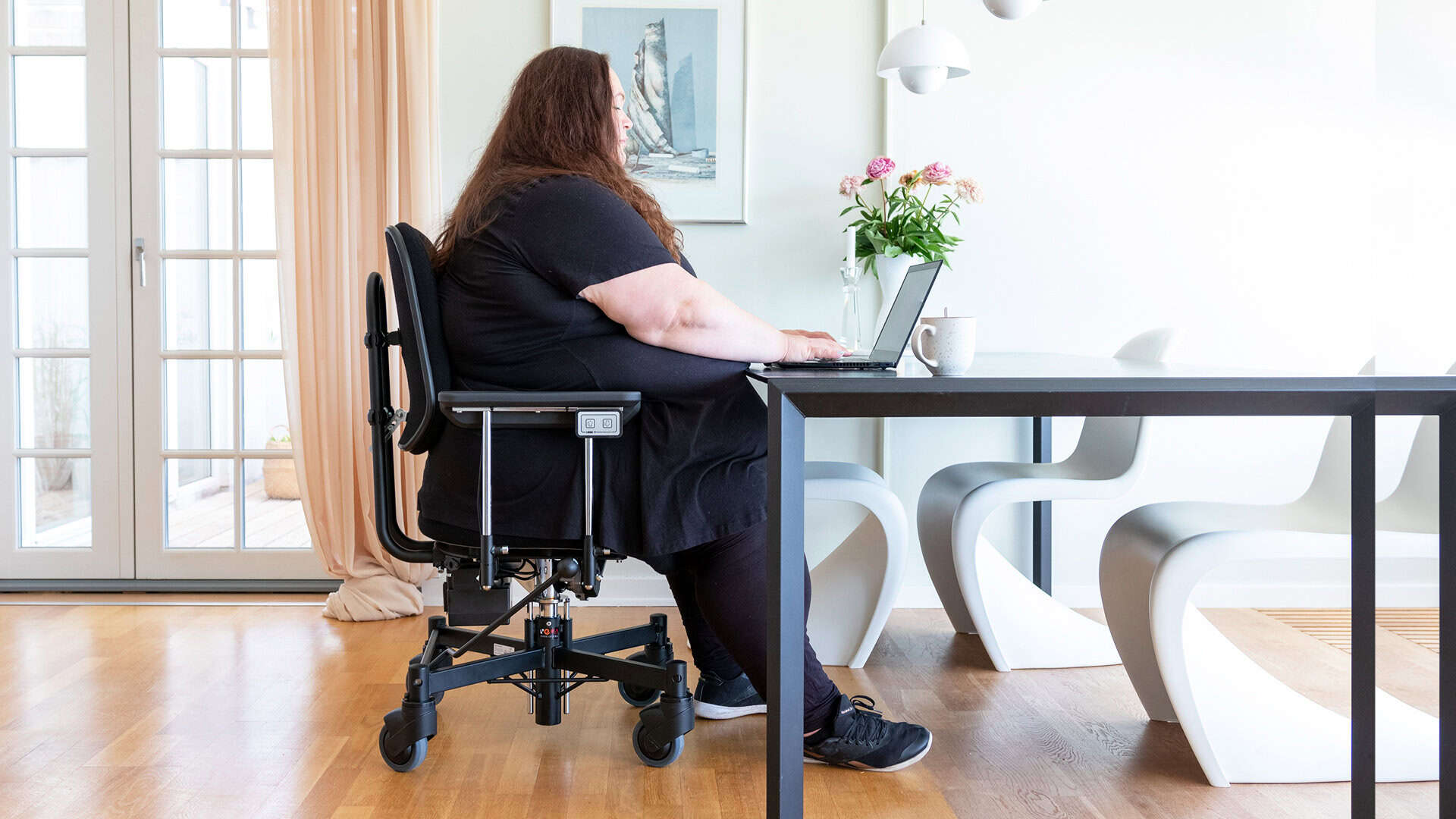
Mobility solutions like the VELA Independence Chair play a critical role in helping seniors remain at home longer, delaying or even avoiding the need for a nursing home. The chair’s design, incorporating a central brake for safety and electric height adjustability, addresses common challenges such as safe transfers and energy conservation. For seniors, using the chair can transform daily living experiences, allowing them to engage in activities like cooking and cleaning with greater ease and security. This not only enhances their quality of life, supporting dignity and freedom, but also eases caregiver burdens significantly. While VELA is a proven solution, it’s one of many options available to facilitate aging in place, offering practical benefits that extend well beyond simple mobility support.
Holistic Wellness and Evolving Care Models
Senior care environments are increasingly shifting towards holistic wellness practices, prioritizing not only physical health but also mental health, social engagement, and personalized fitness such as yoga and tai chi.Heisinger Bluffs, 2025 Sensory-friendly design, comfort-focused environments, and programs that support social interaction and joy are especially emphasized in memory care and rehabilitation settings. These changes reflect an industry-wide movement from strictly clinical models to more intuitive and adaptable care approaches.Juniper Communities, 2025
Innovative Housing Models and Community Living
In response to diverse needs, senior living is witnessing a rise in flexible, affordable, and community-focused housing models. There is increasing demand for middle-market senior housing, co-housing communities, and continuing care at home, catering to both those seeking autonomy and those requiring support. Seniors who are aging solo particularly benefit from enhanced wellness check-ins and integrated advocacy services.Align Senior Care, 2025 These trends signal a broader move toward inclusive and adaptable living arrangements.
Conclusion: Forward-Looking Solutions
As the senior care industry advances through 2025 and beyond, success will rely on responsiveness to demographic trends, implementation of AI-driven technologies, adoption of holistic care philosophies, and development of diverse housing solutions. Regulatory enhancements, such as expanded Medicare coverage for in-home care, along with innovative mobility and operational tools, will play vital roles in enabling seniors to live safely, independently, and with dignity.
References
- National Apartment Association – Assisted Living Trends
- McKnight’s Senior Living – Industry Challenges
- Juniper Communities. Senior Living Trends in 2025
- Heisinger Bluffs. The Future of Senior Living: Trends to Watch in 2025
- CLAconnect. Senior Living and Care: Four Key Drivers of Activity in 2025
- Align Senior Care. Senior Living Trends to Look Out For in 2025
- NCHStats. 10 Must-Know U.S. Home Care Industry Stats for 2025