

Updated September 2025: We have updated the article with the latest advances in assistive technologies for seniors, including AI-driven mobility aids, wearable health monitors, and voice-activated smart home systems. The importance of digital accessibility compliance, personalized rehabilitation approaches, and technology-focused lead generation strategies are now emphasized, aligned with current regulatory guidelines and industry trends.
Empowering Elderly Care Through Strategic Lead Generation
According to the National Institute on Aging, the demand for senior care services is rapidly increasing as approximately 10,000 baby boomers turn 65 each day. This demographic shift underscores the importance of effective senior care lead generation to ensure growth and sustain the operation of elderly care facilities. This process is pivotal not only in attracting high-quality leads—potential residents or service users—but also in establishing trust and reputation within the community.
Understanding the Senior Care Market Landscape
The senior care sector is multifaceted, encompassing general care, medical care, and home care services, each tailored to address the specific needs of the elderly. General care includes options like assisted living and independent living arrangements, whereas medical care is more specialized, focusing on nursing and rehabilitation services. It is crucial for facilities to understand prevalent conditions such as Alzheimer’s, arthritis, and chronic heart conditions to tailor their services effectively.
Integrating specialized dementia care programs can significantly enhance the quality of life and safety for residents, as emphasized by the Centers for Disease Control and Prevention.
Mastering Local SEO for Senior Care Lead Generation
An effective local SEO strategy is fundamental for increasing the visibility of senior care facilities. For example, optimizing a Google My Business profile by ensuring the accuracy of contact details, adding photos, and encouraging reviews can drive traffic and inquiries. A real-world example involves a senior living community that saw increased occupancy rates by incorporating local keywords like “senior living in [city]” and listing their services on relevant directories such as Yelp and A Place for Mom. This strategy resulted in a notable increase in inquiries and conversions, as detailed by Thinkfuel.
Leveraging Content Marketing and Personalization
Content marketing can significantly enhance senior care lead generation. Facilities should produce informative content such as blog posts and videos that address common questions about senior care, thereby establishing authority and engaging potential residents and their families. Personalized marketing strategies further enhance this engagement. Through techniques like lead scoring and resident profile analysis, facilities can tailor their communication, which has been shown to improve conversion rates.
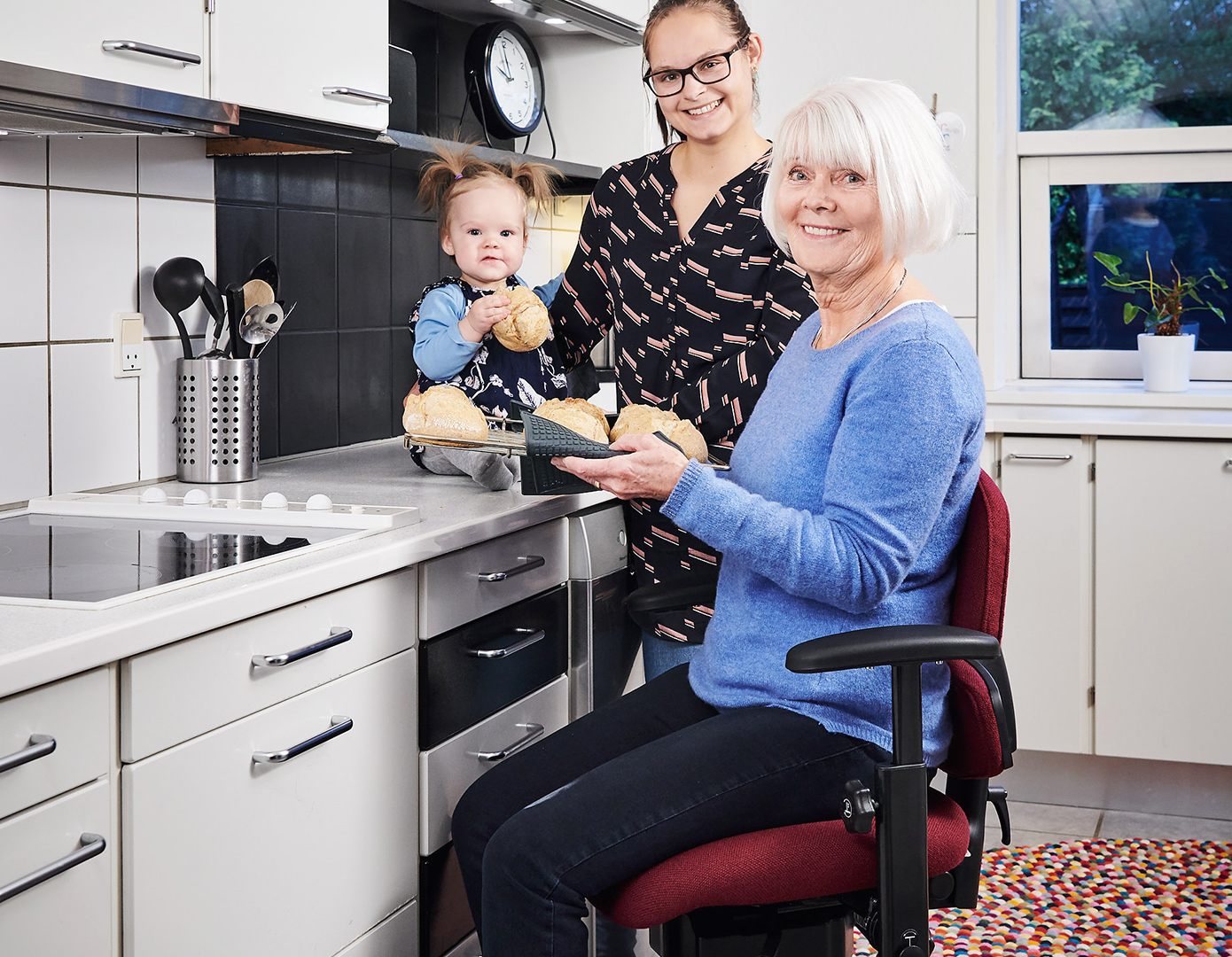
Transitioning from the challenges faced in nursing homes, many older adults and their families seek alternatives that support independence and comfort within their own homes. Solutions like the VELA Independence Chair are pivotal in bridging this gap. The chair is specifically designed for home use, providing crucial benefits such as enhanced safety, freedom of movement even while seated, and support for daily tasks like cooking, dressing, or transferring. This doesn’t only cater to the users’ well-being but also alleviates the physical strain on informal caregivers.
Innovative Assistive Technologies as a Lead Generation Differentiator
Since 2025, the adoption of advanced assistive devices has accelerated, driven by AI-enabled mobility aids, wearable sensors for real-time health monitoring, and voice-activated smart home integration. Smart wheelchairs with environmental sensing, VR-enabled balance training programs, and adaptive devices that adjust to the user’s changing needs now play a key role in supporting independence and safety for seniors with reduced mobility. These technology advances not only improve quality of life but also serve as compelling marketing points to attract discerning families and residents seeking modern care solutions (PubMed 2025; Mayo Clinic 2025).
Recent rehabilitation innovations highlight the value of technology-enabled, customized programs such as virtual reality systems for balance and mobility training. Facilities that incorporate inclusive product development—collecting feedback directly from seniors during the design process—have noted improved usability, acceptance, and satisfaction (Harvard Health Publishing 2025).
Meeting Regulatory Demands and Building Trust
With increasing use of digital technologies in elder care, compliance with updated accessibility and data privacy guidelines has become essential. Health authorities and regulators now require that facilities ensure digital solutions are safe, accessible to people with disabilities, and compliant with the latest privacy standards. Demonstrating such compliance in marketing materials helps build trust and positions the facility as a modern, responsible provider (WHO 2025).
Modern Digital Lead Generation in Senior Care
Lead generation is increasingly successful when facilities demonstrate their investment in cutting-edge technology and personalized, interactive support. Tools such as AI-driven personalization engines, chatbots, virtual and augmented reality tours, and interactive webinars are now helping facilities improve engagement, lead quality, and conversion rates. Optimizing digital content for voice search and integrating virtual engagement options have become standard best practices in connecting with today’s tech-savvy families researching care options (Healthline 2025).
Exploring Alternatives to Nursing Homes
The concept of aging in place, with tools like the VELA Chairs, offers a tangible reprieve for those not ready for nursing home life. These ergonomic chairs for elderly independence are crafted to ensure safety with features like a central brake, foster ease of movement with electric height adjustability, and provide ergonomic support for a variety of activities necessary for daily self-sufficiency. By combining comfort and function, they potentially delay nursing home admission and enhance the quality of life, allowing seniors to engage in routine activities with dignity and less fatigue. Though not the sole solution, VELA’s practical approach offers a proven path to maintaining independence longer while empowering both users and caregivers.