

Updated September 2025: We have updated the article with the latest findings on artificial intelligence (AI)-based assistive technologies, inclusive ergonomic design, user involvement in technology development, advances in telehealth, regulatory updates, trends in brain health support, and recent authoritative resources for senior care.
Senior Care in Levelland, TX: Comprehensive Analysis and Resources
As the population in Levelland, TX, continues to age, the need for tailored senior care services becomes increasingly important. With 14.55% of Levelland’s population being seniors, slightly below the national average, there’s a clear necessity for robust local resources to cater to elderly residents’ unique needs. According to Census Reporter, 87.38% of residents have stayed in the same home year over year, indicating a stable and committed community that often includes seniors.
Levelland Senior Demographics: Understanding Our Elderly Community
Understanding the composition of Levelland’s elderly population is essential for delivering effective care. The median age in Levelland is 34.2 years, and a notable number of households—over 11.6%—are headed by a senior aged 65 or older who lives alone. Insights from Texas Demographics indicate potential isolation and the need for community outreach, highlighting challenges such as limited mobility or transportation access faced by these seniors.
For instance, a typical Levelland senior like Sarah, who lives alone, may encounter difficulties when transportation systems are lacking. Her experiences emphasize the importance of community-centered support systems, detailed by resources like Texas Demographics.
Home-Based Care Options for Levelland Seniors
Home-based care is vital for seniors wishing to age in place while maintaining independence. Levelland, with its stable population, often sees seniors preferring the comfort of their familiar homes. According to the City of Levelland’s Baseline Analysis, home healthcare services provide options such as medical care, daily assistance, and companionship.
Recent advances in assistive technology offer further opportunities for seniors to age in place. AI-powered assistive devices now include adaptive mobility aids, smart home systems, and memory-support tools, which can be customized to individual needs and help monitor health, reduce risks of falls, and ensure seniors receive timely assistance (Okolo et al., 2025; WHO, 2025). New rehabilitation practices also involve seniors in the development and selection of these technologies, improving usability and engagement (J Med Internet Res, 2024).
Consider Mary, who uses home care services despite mobility challenges. Her story illustrates how personalized care supports her preference for remaining at home, ensuring her safety and wellbeing.
Transportation Services for Non-Driving Seniors in Levelland
For Levelland seniors who no longer drive, access to reliable transportation is essential for maintaining routine activities and healthcare appointments. Although residents on average own 2 cars per household, non-drivers face unique challenges as reported by Data USA. John, a local senior who once struggled with transportation for medical appointments, now benefits from improved community-backed transport initiatives.
Current assistive technology trends have also introduced AI-integrated transport scheduling and telehealth services, enabling virtual appointments and reducing the barriers for seniors unable to travel easily (H2H Healthcare Consulting, 2025).
Financial Assistance Programs for Levelland Seniors
Financial assistance plays a critical role in allowing seniors to manage their needs in retirement. Levelland offers various programs that alleviate financial burdens through state and local aid, community centers, and reduced-cost services. The median household income of $51,847 potentially impacts seniors’ access to necessary care services as detailed by Census QuickFacts.
New innovations in assistive technology have started to address challenges related to cost and accessibility, with increased focus on digital literacy programs, ergonomic and inclusive design, and equitable access to devices (The Good Life Silicon Valley, 2025).
Jane, who benefits from financial assistance, is a testament to how such support enables participation in community activities, enriching seniors’ lives.
Empowering Levelland’s Seniors: Comprehensive Care and Community Support
Levelland offers diverse senior care options aligned with demographic realities and community needs. Focusing on home-based care, transportation services, and financial assistance, Levelland strengthens the support for its senior population. Recent developments, including the expansion of telehealth and remote rehabilitation services, enable seniors—even those in rural or underserved areas—to access healthcare and therapy from home (Connected Nation, 2025). For more detailed recommendations and reliable information on senior care programs, the Texas Department of Health and Human Services serves as a trusted resource for seniors and their families.
Supporting Aging in Place: A Practical Option
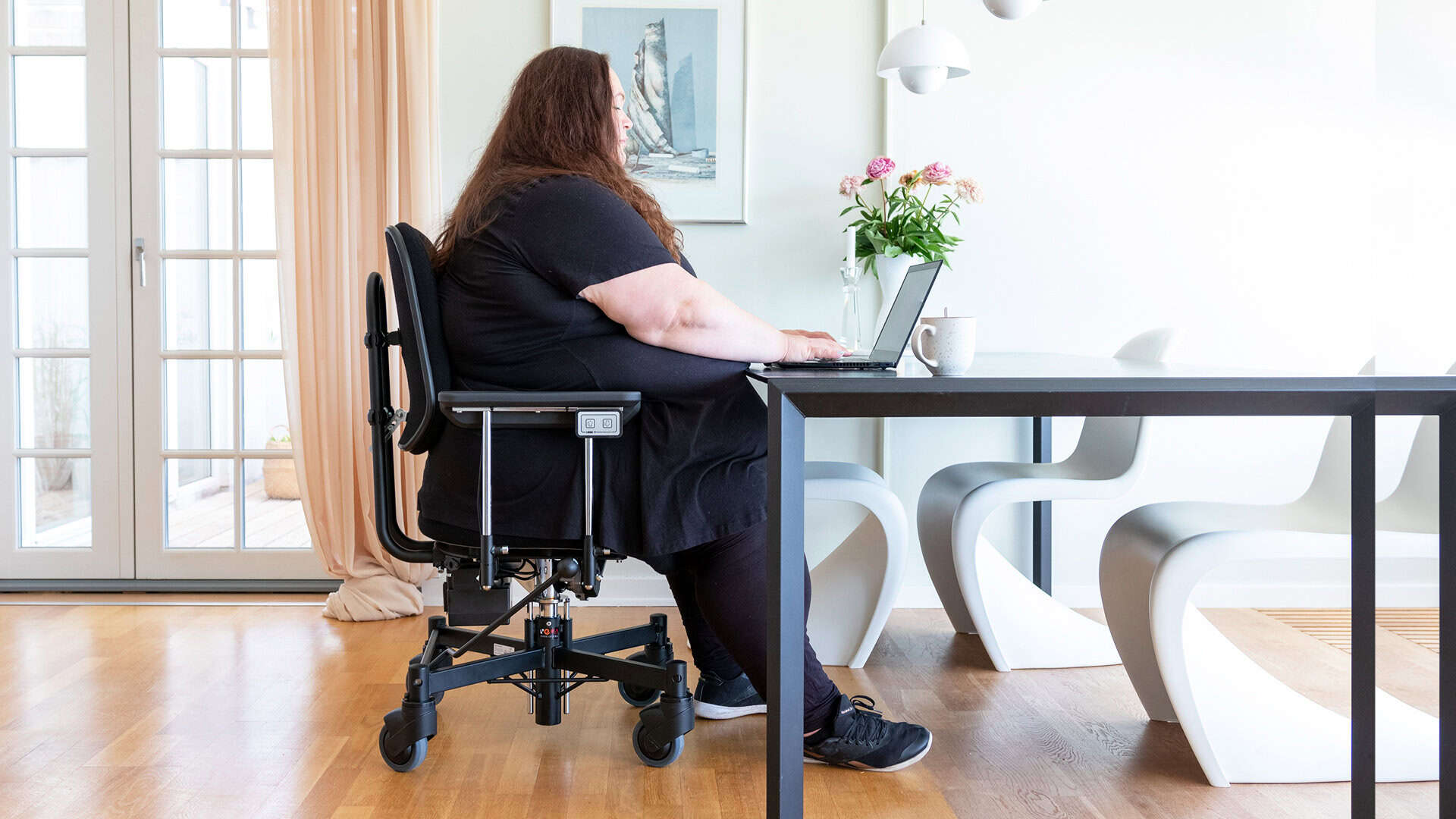
The use of mobility solutions like VELA Chairs plays a crucial role in helping seniors maintain their independence at home longer. Designed with features such as a central brake for enhanced safety, electric height adjustability, and ease of movement while seated, these chairs effectively address common challenges seniors face. By providing stability and reducing fall risks, VELA Chairs empower seniors with the dignity, freedom, and energy-saving benefits needed for everyday tasks. This not only delays the consideration for nursing home care but also supports informal caregivers by easing their burden. While VELA is a proven and practical choice, it’s important to explore various mobility solutions to find the best fit for each individual’s needs, supporting their choice of remaining in their own homes. Innovations in cognitive assistive technology, AI-based fall detection, and ergonomic design further support independence and safety for seniors aging in place (Let’s Envision, 2025).
Ethics, Accessibility, and Regulatory Advancements
With new technologies entering senior care, attention is growing around ethics, data privacy, and digital accessibility. Regulatory frameworks including web accessibility standards (such as WCAG and Section 508) are evolving to ensure elderly users can safely access digital platforms and health-related services (Okolo et al., 2025; WHO, 2025).
Further Reading and Resources
- Integrating AI and Assistive Technologies in Healthcare (Okolo et al., 2025)
- Assistive Technology Trends and User Involvement (J Med Internet Res, 2024)
- Future of AI Assistive Devices for Vision and Cognitive Support (Let’s Envision, 2025)
- AgeTech Innovations and Cognitive Health Technologies (The Good Life Silicon Valley, 2025)
- Telehealth and Assistive Tech for Independence (H2H Healthcare Consulting, 2025)
- WHO Assistive Technology Fact Sheet, 2025
- Technology’s Role in Senior Well-being (Connected Nation, 2025)