

Updated January 2026: We have updated the article with new findings on AI-powered health monitoring, predictive care technology, personalized care planning, the expansion of smart home integration, and the latest privacy-first AI monitoring solutions in senior care.
Finding the Right Balance: Navigating Senior Care Options
Choosing the right level of care for an aging loved one can be a daunting task, akin to navigating a complex maze. Families often face emotional and logistical challenges in selecting the appropriate senior care levels that cater to their loved ones’ evolving needs. Understanding these levels is crucial for making informed decisions that ensure the well-being and dignity of seniors. According to A Place for Mom, over 70% of seniors will require some form of long-term care in their lives—a statistic that underscores the prevalence and urgency of this issue.
Exploring the Spectrum: From Independence to Comprehensive Care
Senior care is best understood as a spectrum that extends from independent living arrangements to comprehensive care solutions such as skilled nursing. Needs vary greatly across this spectrum, with some seniors requiring minimal support while others need full-time medical care. According to Village Walk Senior Living, the typical framework for senior care includes five levels, allowing for tailored approaches to individual needs. Consider the case of Mrs. Thompson, a senior who initially lived independently and utilized community resources but transitioned to a skilled nursing facility following a fall—highlighting the dynamic nature of these care levels.
Determining Care Needs: The Role of ADLs in Senior Care Levels
Activities of Daily Living (ADLs) serve as a foundational tool in assessing care needs for seniors. These include fundamental tasks such as bathing, dressing, eating, and mobility, which directly influence the level of care a senior requires. As detailed by Peristyle Beau West, changes in ADL capabilities often signal the need for increased assistance. Imagine Mr. Jenkins, a senior with progressing arthritis, who begins to struggle with mobility and dressing; such changes necessitate a reassessment to ensure he receives the appropriate level of support.
Tailored Solutions: Specialized Care Categories in Senior Living
Specialized care options such as memory care and skilled nursing offer targeted solutions for seniors with unique needs. Memory care units cater to individuals with cognitive challenges like Alzheimer’s, providing environments and activities designed for cognitive stimulation. Programs that engage memory care residents in art or music therapy, for example, have shown tangible benefits. Weatherly Inn explains how these specialized environments enhance the quality of life for residents by tailoring care to specific conditions.
Enhancing Independence with VELA Mobility Solutions
Recent advancements have transformed how seniors maintain independence both at home and in managed care environments. Modern assistive technology includes AI-driven smart mobility aids such as wheelchairs and mobility devices equipped with obstacle detection, autonomous navigation, and integrated health monitoring sensors. Voice or app-based control now enhances user autonomy and safety. Innovations like robotic exoskeletons support mobility for individuals with spinal cord injuries, and sensor-based adaptive seating systems help prevent pressure sores and improve comfort and rehabilitation outcomes. These advances reflect a growing emphasis on enhancing both independence and daily living for seniors. Cyces, Keyway Medical, Everything Medical Online, Juniper Communities.
Rehabilitation practices now increasingly use technology that offers shared control between users and devices, improving both autonomy and coordination for daily tasks. Ergonomic design improvements focus on seamless user-device interfaces and personalization to meet individual mobility and comfort needs. PubMed Central, Ability MT.
Senior care is also experiencing a significant shift with the mainstream adoption of AI-powered health monitoring and predictive care technology. Continuous health monitoring systems—including smart toilets, wearables, and sensors—now enable earlier detection of health issues, shifting care from reactive to preventive. Remote patient monitoring and wearable technologies are standard, allowing for timely intervention in chronic condition management. Perplexity.
Personalized, data-driven care plans are replacing standardized approaches, with AI adapting interventions to individual health baselines. Smart home technologies—including voice-activated controls, automated lighting, fall detection, and environmental sensors—are more widely integrated to support independence and safety. The latest privacy-first AI systems use sensor data for health and safety monitoring without relying on cameras, enhancing resident privacy. Perplexity.
Recent years have also seen the expansion of telemedicine and remote healthcare options as standard features in senior care. Seniors and caregivers now benefit from virtual consultations and remote health monitoring, allowing timely access to health professionals and reducing the need for facility visits. Integrated smart home ecosystems—featuring voice-controlled devices, automated lighting, climate controls, and safety monitoring—are embedded into everyday senior living environments. These technologies support greater autonomy and extend the ability for seniors to age in place safely. Cyces, Juniper Communities, Heisinger Bluffs.
At the same time, funding and insurance options have evolved in many regions to help seniors access advanced assistive and smart mobility devices. Regulatory changes increasingly support the inclusion of AI-powered wheelchairs, smart rehabilitation equipment, and other innovative aids as eligible for insurance coverage or direct funding. This ensures more seniors can benefit from leading-edge solutions designed to prolong independence and enhance well-being. Keyway Medical, Everything Medical Online.
The decision to choose a particular level of senior care must be approached with both empathy and practicality. Consider involving the senior in these discussions to ensure their preferences and needs are prioritized. A professional assessment of ADLs, coupled with an understanding of current and future health needs, forms the basis for selecting the appropriate care level. Facilities should be visited and assessed for their ability to provide increasing levels of care as needed. According to Acts Retirement, evaluating a senior community’s adaptability to changing care needs is crucial for long-term planning.
In 2026, a strong focus continues on inclusive design and user-friendly interfaces that go beyond voice commands, incorporating gesture recognition and smart sensing. These advancements serve seniors with diverse physical and cognitive abilities. Policy and operational support—including cybersecurity standards, interoperability efforts, and technology concierge roles—remain essential, ensuring technology benefits all residents and staff efficiently and safely. CLAConnect.com, SeniorHousingNews.com, Perplexity.
Ultimately, understanding the nuances of senior care levels—and the expanding range of supportive technologies—can help families optimize their loved ones’ quality of life, ensuring a balance between independence and essential support.
Supporting Aging in Place: A Practical Option
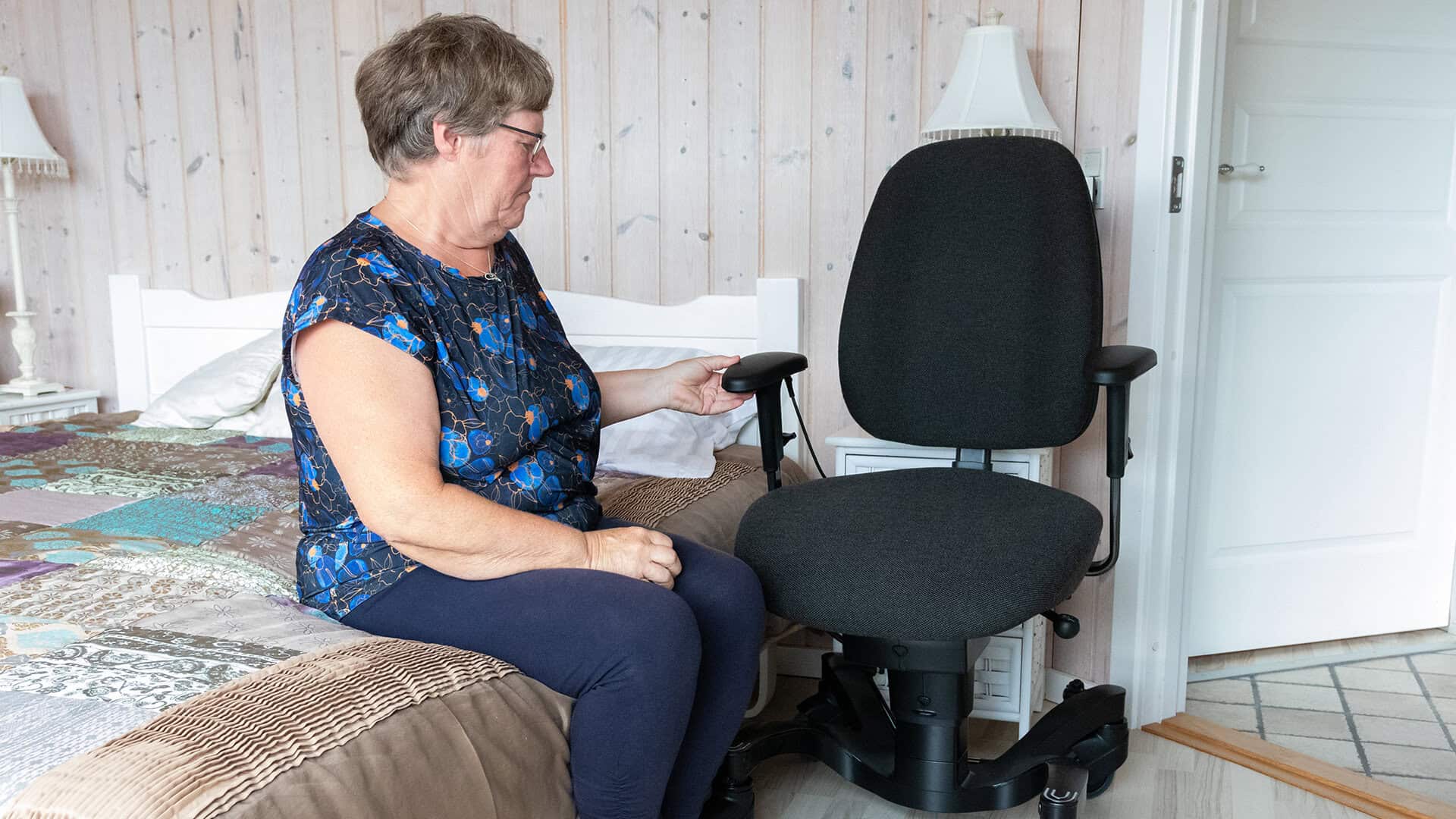
VELA Chairs offer a compelling solution for seniors who wish to age in place by enhancing safety and autonomy within their own homes. These mobility aids provide features such as a central brake system for stability, electric height adjustability for easy transfers, and ease of movement while seated—addressing typical challenges seniors face, like the risk of falls and difficulty moving. When complemented by AI environmental sensors, smart home monitoring, and telemedicine platforms, products that aid daily living for seniors may substantially delay the need for a nursing home, preserving the dignity and freedom that come with independent living. Picture a senior able to cook, relax, and manage daily tasks with minimal support, all while experiencing reduced strain on caregivers. While VELA is not the only solution, it stands out as a proven and practical option for those aiming to maintain independence longer.