

Updated September 2025: We have updated the article to reflect recent advancements in AI-powered mobility aids, smart home integration, wearable health monitoring, and the significant rise of telemedicine and digital care in senior living. This version also addresses industry shifts toward interoperability, data-driven care, and enhanced caregiver perspectives.
Understanding Senior Care Meaning: A Comprehensive Guide
Navigating senior care can be intricate, as approximately 80% of older adults have at least one chronic condition, and 50% deal with two or more. According to the Centers for Disease Control and Prevention, this complexity requires a nuanced understanding of “senior care,” a term that encompasses a wide array of services tailored to support the elderly dignifiedly. But what is senior care, and how does it differ from elder care and geriatric care? Senior care involves a continuum of services designed to meet the evolving needs of aging individuals. This article explores senior care services and the myriad factors influencing their selection.
Senior Care: A Detailed Definition
Senior care encapsulates medical support, daily living assistance, and social engagement opportunities. Unlike ‘elder care,’ which often refers to non-medical services, and ‘geriatric care,’ which focuses on specialist medical care, senior care includes a broad spectrum of provisions. The National Institute on Aging explains that caregiving duties often encompass medication management, assistance with daily activities, and ensuring safety at home and in the community. A case study might involve an elderly person transitioning from living independently to needing intensive support in an assisted living facility, illustrating the need for adaptable service offerings.
Exploring Types of Senior Care Services
Senior care comes in various forms, tailored to different needs:
- Home Care: Offers medical and non-medical options, such as visiting nurses and personal care aides. Recent advancements include AI-powered devices and robotic exoskeletons that improve mobility and safety in the home environment, as well as the integration of smart home systems for adaptive support and monitoring.[1],[2]
- Assisted Living: Provides a supportive community environment with some medical supervision. Community-centered care is increasingly enhanced by digital health records, telemedicine consultations, and wearable monitoring that track health status, anticipate needs, and reduce emergency hospitalizations.[3],[4]
- Nursing Homes: Focus on intensive medical care for chronic conditions. Facilities now often feature integrated smart technology for safety, real-time patient monitoring, and environment adaptation.[5]
- Respite Care: Offers temporary relief for regular caregivers.
- Memory Care: Specialized services for individuals with dementia or Alzheimer’s, now supported by cognitive assessment tools integrated in next-generation wearables.[2]
- Palliative and Hospice Care: Comfort-focused care for those with life-limiting illnesses. Digital platforms and remote monitoring improve continuity and personalization of care.[6]
According to Nurse Next Door, understanding these services helps families choose the best fit for their loved ones. For example, a family deliberating between home care and assisted living for a parent with mobility restrictions may opt for a blend of both to meet medical and social needs.
Demographics and Conditions: Who Needs Senior Care?
Typically, seniors aged 65 and older with chronic diseases like heart disease or arthritis need dedicated care services. Cognitive impairments and socio-economic conditions also play vital roles in deciding the appropriate care, as noted by the CDC. Financial considerations often dictate care options, with some families facing difficult choices based on constraints. For instance, an elderly couple might evaluate care options based on their financial standing and health issues, ensuring they select services that enhance both quality of life and financial feasibility.
Financial Considerations in Senior Care
Understanding the costs associated with senior care is crucial. According to Medicare.gov, Medicare doesn’t cover long-term custodial care, urging families to investigate alternative financial solutions like Medicaid or long-term care insurance. Financial commitment can vary significantly: in-home care might cost $28-$38 per hour, while nursing homes can exceed $10,000 a month for private rooms. Families often calculate these expenses and explore insurance options to alleviate financial strains.
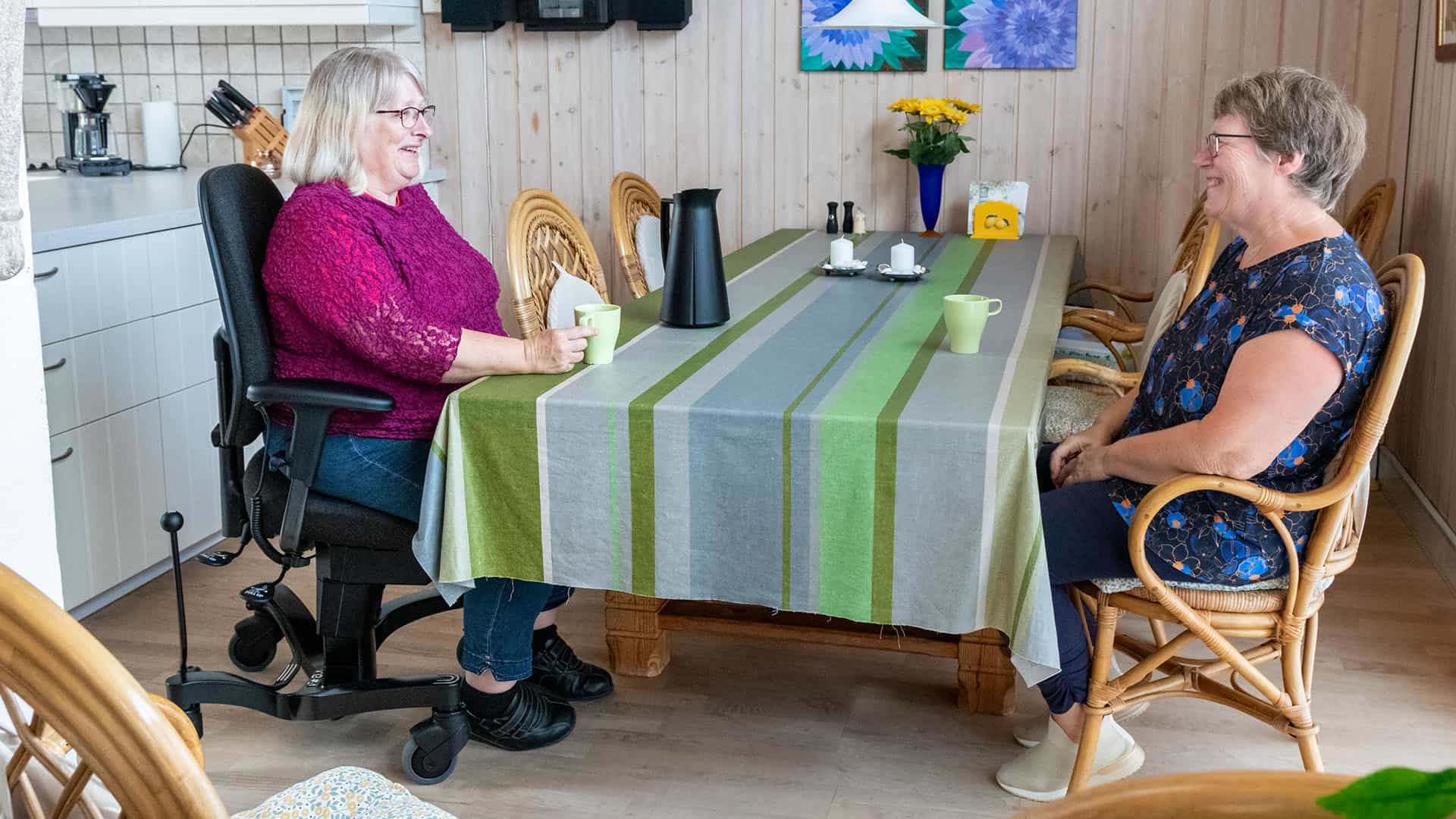
In senior care, transitioning into nursing homes can be daunting for many older adults, often involving significant lifestyle changes and a loss of independence. For families wanting their loved ones to remain at home, solutions like adaptive equipment can make a difference. The VELA Independence Chair, a medically approved mobility solution, offers enhanced safety and the freedom to move easily while seated, thus supporting daily activities such as cooking, dressing, or transferring. The use of VELA Chairs not only promotes self-sufficiency but also reduces the caregiving burden, providing a proactive option for elderly independence. Innovative technologies like lightweight robotic exoskeletons and environment-adaptive smart systems are rapidly improving the safety, independence, and well-being of seniors, often making remaining at home a feasible long-term option for more individuals.[1],[4]
Crafting the Path Forward in Senior Care
Summarizing “senior care meaning,” it’s clear that a mix of various options exists to meet different needs. Whether through medical, home, or community services, each caregiving path ensures better living conditions for our elderly loved ones, supported by authoritative insights from the National Institute on Aging. Families must cautiously balance costs, medical necessities, and personal preferences, always prioritizing safety and quality of life. The continuous adoption of AI-driven technologies, digital health platforms, and telemedicine advance the potential for independence and specialized care, while industry trends highlight ongoing improvements in care outcomes, staff efficiency, and resident satisfaction.[6],[7]
By addressing the intricacies of senior care with comprehensive insights, families can better navigate through confusing options, ensuring their loved ones receive optimal support. This understanding underscores the importance of informed choices in creating an enriching and dignified plan for senior care.
Sources:
INTCO Medical, “Top 5 Cutting-Edge Equipment for Seniors in 2025”
Cyces, “AgeTech Trends 2025: AI, Robotics & the Future of Aging”
Caring Data blog, “Technology in Senior Care: How Innovation Is Transforming Care”
Argentum & A Place for Mom, “The State of Technology Adoption in Senior Living”
Heisinger Bluffs, “The Future of Senior Living: Trends to Watch in 2025”
CLA Connect, “Senior Living and Care: Four Key Drivers of Activity in 2025”
Senior Housing News, “Argentum Technology Survey Identifies Top Trends, Barriers in Senior Living”