

Updated September 2025: We have updated the article with new findings on the integration of AI-driven assistive technologies, ongoing Medicaid funding challenges and policy reforms in Michigan senior care, expanded flexible housing and care options, and evolving approaches to support solo aging and aging in place.
Senior Care of Michigan: Adapting to a Rapidly Aging Population
As we approach 2025, Michigan stands at a pivotal juncture in addressing senior care. The state’s demographic outlook is transforming profoundly, with projections indicating that residents over the age of 65 will outnumber those under 18—a significant milestone calling for urgent reassessment of our preparedness for an aging population. According to America’s Health Rankings, this demographic shift underscores the imperative to develop responsive, sustainable solutions for elder care.
Understanding Michigan’s Aging Population and Their Needs
The senior demographic in Michigan is growing at an unprecedented pace. Currently, adults aged 50 and older comprise about 37% of the population, according to recent surveys. This surge demands more age-friendly initiatives. Grand Rapids exemplifies how communities can adapt by actively participating in the AARP Age-Friendly Communities Network, highlighting the necessity for cities to evolve with considerations for outdoor spaces, transportation, and healthcare accessibility. As emphasized by AARP Michigan, creating age-friendly environments is key to accommodating the needs of a growing senior population.
Navigating the Rising Costs of Elderly Care
The financial landscape of senior care in Michigan is increasingly complex. With assisted living facilities seeing a 20% cost increase, totaling about $72,480 annually, families are under financial strain. Misconceptions about Medicare coverage are prevalent, often leading families to miscalculate their financial responsibilities. The Genworth Cost of Care Survey illustrates how one Michigan family faced unexpected financial burdens due to misunderstandings about Medicare. Experts assert that clear communication and education on Medicare and Medicaid are vital in preventing financial hardship.
Recent challenges in Medicaid funding have become more pronounced. In 2025, proposed federal cuts are threatening $325 million in support for Michigan’s nursing homes and community-based senior care, putting coverage for approximately 750,000 Michiganders at risk and increasing strain on local providers and families. Policymakers and advocacy groups are urging streamlining of eligibility and funding mechanisms to lessen bureaucratic barriers and better match reimbursements to individual resident needs.[2], [3][6]
Proactive Planning: Essential Steps for Long-Term Care
Proactive planning is paramount amidst this demographic shift. Findings from the University of Michigan Health Research indicate that nearly two-thirds of older adults will require long-term care services, yet less than half have planned for this need. A case study involving a retiree from Lansing exemplifies the benefits of foresight. By leveraging long-term care insurance and personal savings, he mapped out his post-retirement needs, providing a strategic framework for others seeking to secure their care future.
In Michigan, the Choice Waiver Program remains a key option, allowing seniors to receive Medicaid-based home care through customizable support plans and self-directed caregiver selection. However, individuals and families face wait times and stringent financial eligibility standards when accessing these benefits.[4]
Experience with Age-Friendly Mobility Solutions
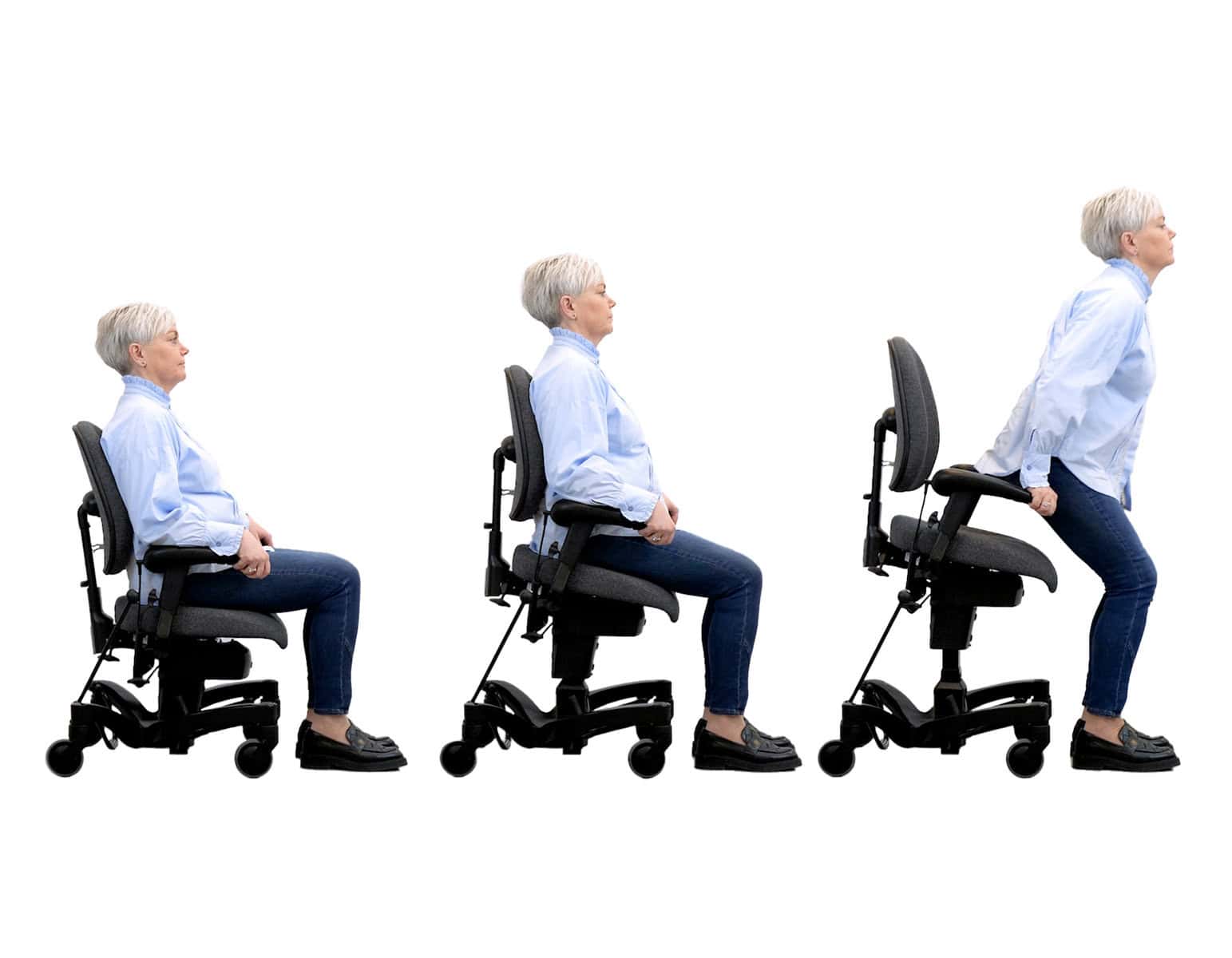
In assisting seniors to maintain independence, mobility solutions like VELA chairs have become vital. They provide not only practical support but also ensure seniors can continue to participate in community life safely. As older adults strive to remain in their homes, avoiding the financial and emotional strain of nursing facilities, solutions like the VELA Independence Chair become increasingly relevant. This medically approved chair is designed for home use, enhancing safety and allowing freedom of movement while seated. It supports daily activities such as cooking, dressing, or transferring, reducing the load on informal caregivers and thus enabling a longer, more comfortable independent living experience.
Technology advancements in 2025 have brought new assistive devices that utilize artificial intelligence and predictive analytics to monitor mobility, detect fall risks, and tailor interventions before emergencies happen. These innovations improve overall safety and help reduce hospitalizations.[7]
Supporting Aging in Place: A Practical Option
Supporting seniors to age in place not only upholds their dignity but also relieves potential caregiver burdens. VELA chairs represent a practical solution by empowering individuals to perform everyday activities safely and independently. Features such as a central brake for safety, electric height adjustability, and ease of movement while seated address key concerns identified earlier, including safety, conserving energy, and facilitating easy transfers. This can delay the need for a move to a nursing home, providing a vivid contrast between a life with a VELA Chair versus without one. Although not the singular solution, VELA stands as a proven option to enhance seniors’ quality of life, ensuring they enjoy greater freedom and peace of mind in their daily routines.
Aging in place remains the preferred choice for most Michigan seniors. New models such as continuing care at home (CCaH), co-housing, and modular multigenerational housing options are emerging to address a range of social and financial needs, making independent living more accessible and sustainable.[1] [5] There is also growing attention on support systems for solo agers, emphasizing wellness check-ins, advocacy, planning resources, and shared decision-making where immediate family caregivers are absent.[5]