

Senior Care of Wisconsin: Navigating an Aging Population
As Wisconsin’s population ages, the demand for comprehensive senior care solutions intensifies. Adults aged 60 and older currently make up 25% of Wisconsin’s population, with projections suggesting that by 2035, one in five residents will be aged 65 or older. This demographic trend underscores the urgent need to enhance and adapt senior care strategies across the state, as reported by the Wisconsin Department of Health Services.
Demographic Shifts and Their Impact on Senior Care
The growing elderly population will significantly impact the demand for senior care services, with geographic shifts adding complexity. Although metropolitan areas like Milwaukee and Madison host many seniors due to greater access to amenities and healthcare facilities, rural regions face a higher proportion of elderly residents as younger populations migrate elsewhere. For example, counties like Vilas and Florence have seen increasing elderly populations amidst a backdrop of limited healthcare resources. The Wisconsin Department of Health Services reports unique challenges in these areas, particularly in accessing timely healthcare services.
Wisconsin Senior Care Programs and Challenges
To address the needs of its aging residents, Wisconsin has developed several tailored programs. A cornerstone is the Wisconsin SeniorCare program, which provides essential prescription drug assistance to seniors. This program has been crucial in reducing hospitalization rates through effective medication management. A study by the Wisconsin Department of Health Services highlights a case where seniors successfully managed chronic illnesses through timely access to medications.
However, as the “Silver Tsunami” occurs, workforce shortages become more pronounced. The healthcare sector struggles to meet rising demand, with the workforce insufficiently expanding to keep pace. Thus, the state must innovate its recruitment and training strategies to bridge these gaps.
Future Projections and Community-Based Solutions
By 2035, fostering age-friendly communities is critical for accommodating the senior population. The State Aging Plan emphasizes creating environments where elderly residents can safely age in place, a strategy crucial for maintaining independence. Practical measures, such as improving public transportation and ensuring housing can accommodate limited mobility, are vital. Dane County’s pedestrian-friendly infrastructure initiatives serve as an example of localized efforts to improve seniors’ quality of life while effectively managing healthcare service costs.
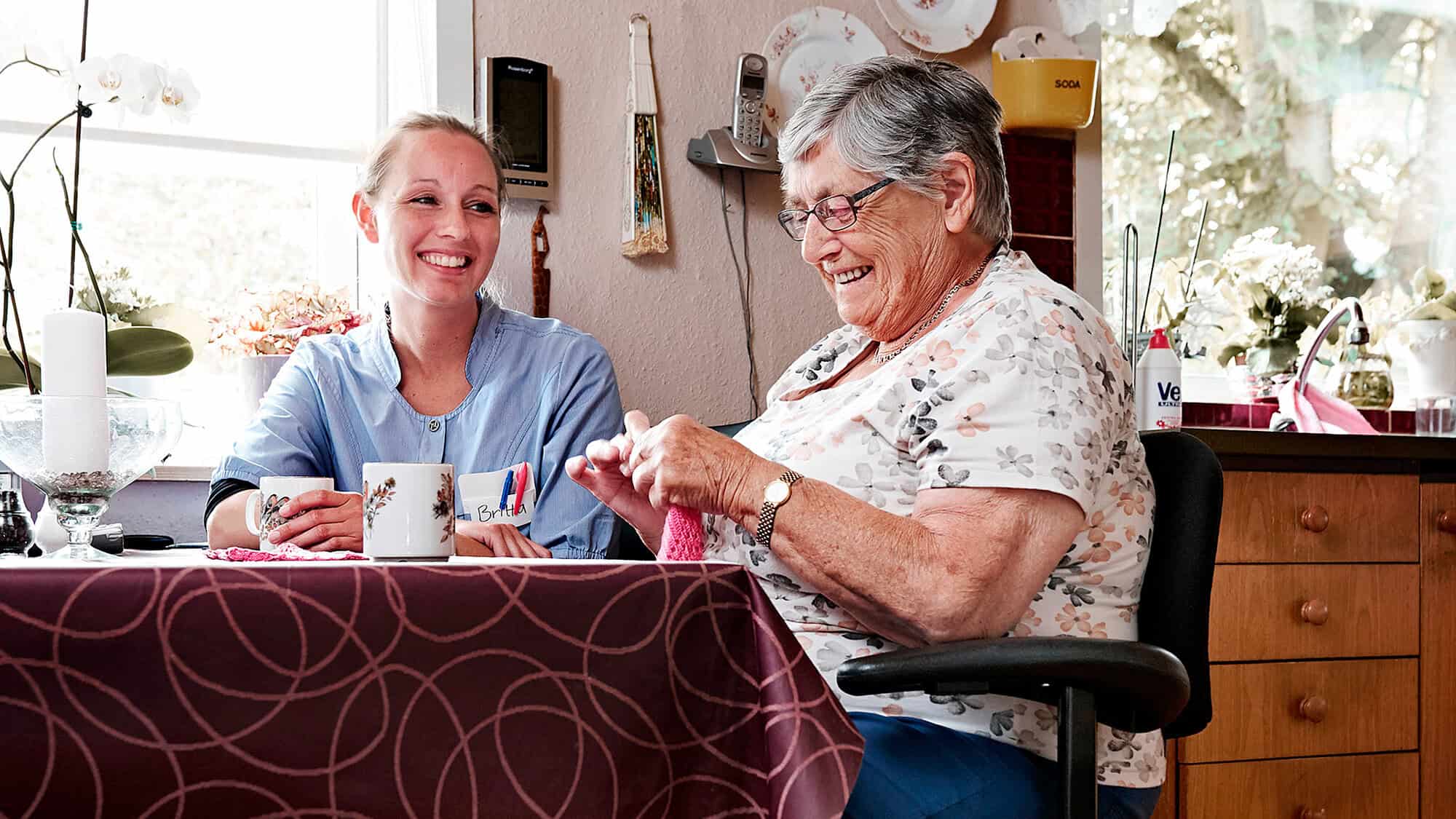
Navigating the shift from traditional nursing home care presents unique challenges, especially in maintaining the independence of older adults. Solutions that empower seniors to stay in their homes longer are critical, with innovative tools playing a key role. One such solution is the VELA Independence Chair, a versatile and medically approved mobility chair designed for home use. This chair enhances safety and freedom of movement while seated, assisting with daily activities like cooking, dressing, or transferring, and it reduces the load on informal caregivers by offering reliable support. By integrating such tools, communities can help seniors remain independent and ease the transition as they age.
Supporting Aging in Place: A Practical Option
Increasing the availability of supportive tools like the VELA Independence Chair can greatly impact seniors’ ability to remain at home longer. This chair addresses typical problems such as safety and ease of movement, offering a central brake for stability, electric height adjustability, and the ability to navigate easily while seated. Using the VELA Chair allows seniors to perform everyday activities like cooking or cleaning with greater freedom and less risk, all while maintaining dignity and conserving energy. By potentially delaying the need for nursing home care, the chair not only enhances quality of life but also eases the burden on caregivers. While VELA is not the only solution, it is a proven and practical option for supporting seniors’ mobility and independence at home. More on these solutions can be explored through resources detailing Mobility Chairs for Independence and Senior-Focused Mobility Solutions.