

Updated September 2025: We have updated the article with the latest advancements in senior care technology, including AI-powered robotic exoskeletons for mobility, integrated smart home and remote monitoring systems, expanded telemedicine roles, and new guidelines supporting digital health and interoperability. The article now reflects current clinical evidence and operational best practices in senior care.
Overview of Senior Care Options in Plano, TX
When navigating senior care options in Plano, TX, families encounter a range of services tailored to diverse needs, from assisted living and in-home care to specialized memory care services. Renowned providers such as The Legacy Willow Bend and Sunrise Senior Living are frequently praised for their compassionate care and bespoke programs. According to the Texas Department of Health and Human Services, all facilities in Texas must comply with stringent licensing standards, including staff training, safety protocols, and the rights of residents, ensuring high-quality care throughout various facilities.
Plano’s Aging Population: Latest Demographic Trends
As reported by the U.S. Census Bureau, around 14.11% of Plano’s population is aged 65 and older, marking an increase in demand for senior care services. This demographic shift towards an aging population and Plano’s rising median age require the community to increasingly focus on accommodating its senior residents’ unique needs. The socio-economic context—which features a high median household income but also a notable percentage of families living in poverty—further influences senior care decisions in this region.
Specialized Programs: Memory Care, Fall Prevention, and Mobility Support
Plano’s facilities offer robust specialized programs for senior residents, notably those addressing dementia and Alzheimer’s. Given that approximately 7-9% of the Medicare population in the region is affected by these conditions (Healthy North Texas), comprehensive dementia care is essential. These facilities implement fall prevention strategies and mobility support programs, specifically designed to enhance safety and autonomy, thus significantly improving seniors’ quality of life by enhancing cognitive and physical capabilities.
In 2025, many senior care providers are adopting next-generation assistive technologies that significantly improve mobility and fall prevention. AI-powered robotic exoskeletons offer advanced stabilization, reducing fall risks compared to traditional aids and supporting safer walking for seniors (INTCO Medical). Remote health monitoring with AI-driven predictive analytics now allows earlier identification of health concerns, reducing emergency hospitalizations and reinforcing preventative care (Caring Data). These innovations expand upon traditional rehabilitation and mobility programs, integrating advanced technology to support both cognitive and physical recovery for Plano’s seniors.
Technology and Equipment Enhancements in Home Senior Care
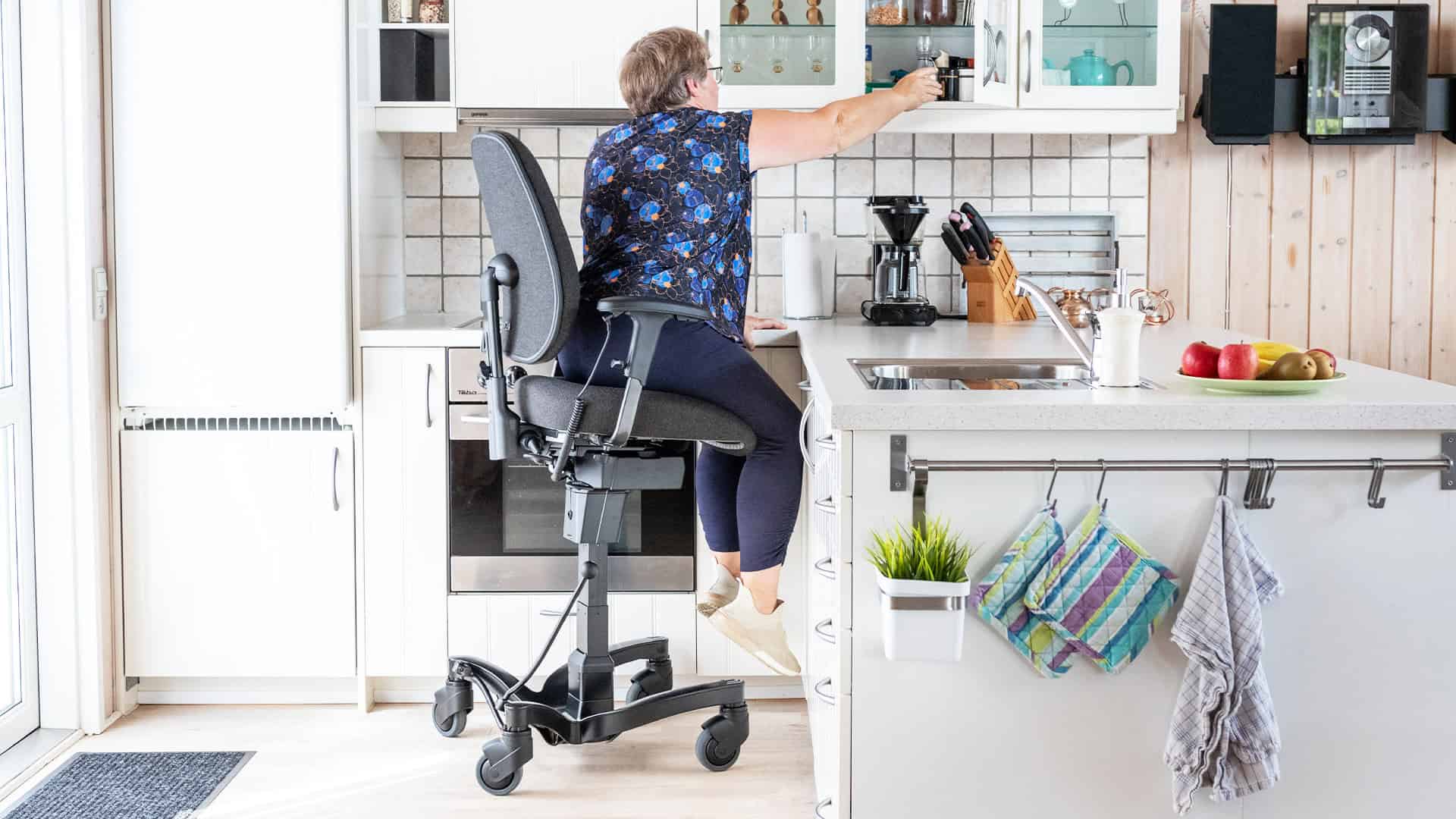
The integration of technology into in-home senior care is transforming care models to prioritize safety and independence. Adaptive equipment such as the VELA chair is crucial in this setting. With features like a height-adjustable seat and a lockable base, it offers stability and support to reduce fall risks and promote autonomy. As noted in the Journal of Geriatric Care, using such mobility aids can decrease fall risks by up to 25%, providing a safer environment for seniors wishing to age in place.
Recent advancements further expand these options. Smart home environments leveraging AI and IoT can now automate lighting, temperature adjustments, medication reminders, and emergency alerts, thus enhancing safety and empowering seniors to maintain autonomy within their own homes (Heisinger Bluffs). Health monitoring wearables equipped with AI-driven analytics have become increasingly effective at detecting early signs of cognitive decline and monitoring vital signs, helping to reduce emergency incidents (Peters Creek). Telemedicine services are now routine, giving Plano’s seniors quick access to healthcare professionals without the burden of travel and promoting timely interventions (Caring Data).
As Plano’s seniors face the physical challenges of aging and the potential need for care in a nursing home, options that empower older adults to maintain independence at home become increasingly attractive. One such solution is the VELA Independence Chair—a medically approved mobility aid designed for household use. This chair enhances safety and freedom of movement for daily tasks like cooking, dressing, or transferring, significantly alleviating the burden on informal caregivers by promoting self-sufficiency.
Supporting Aging in Place: A Practical Option
The VELA Independence Chair is an innovative mobility solution that supports aging in place by offering essential features tailored to seniors’ needs. Equipped with a central brake for enhanced safety, electric height adjustability, and smooth maneuverability while seated, it addresses common difficulties such as fall risks and limited mobility. By using the VELA Chair, seniors can maintain their daily routines with greater comfort, whether they are preparing meals in the kitchen or simply relaxing in their living spaces. Furthermore, the reduction of physical strain on users and caregivers alike can delay the need for more intensive care solutions, such as nursing homes, allowing individuals to enjoy a dignified and independent life at home. While VELA is a proven option, help for seniors at home and mobility chairs for seniors are among various pathways to sustained independence and improved quality of life.
Operational Trends and Technology Integration in Senior Care
Senior living communities in Plano and across the nation are rapidly adopting digital workflow solutions and AI-powered systems. These efforts help optimize staff scheduling, predictive care planning, and the integration of health data to streamline resident management (CLAConnect). Although the industry continues to face challenges with interoperability and funding, new standards encourage secure data sharing and effective integration of digital health tools for improved resident outcomes (Argentum). Regular user feedback highlights the importance of not only physical independence but also tools that increase communication and reduce loneliness, such as interactive apps and virtual reality environments (Senior Housing News).
Sources
- INTCO Medical, “Top 5 Cutting-Edge Equipment for Seniors in 2025”
- CLAConnect, “Senior Living and Care: Four Key Drivers of Activity in 2025”
- Heisinger Bluffs, “The Future of Senior Living: Trends to Watch in 2025”
- Argentum & A Place for Mom, “The State of Technology Adoption in Senior Living”
- Peters Creek, “The Role of Assistive Technologies in Senior Care”
- Caring Data, “Technology in Senior Care: How Innovation Is Transforming Care”
- Senior Housing News, “Argentum Technology Survey Identifies Top Trends, Barriers in Senior Living”
- Journal of Geriatric Care, “Technology and Aging”
- The Legacy Willow Bend
- Sunrise Senior Living
- Texas Department of Health and Human Services
- U.S. Census Bureau
- Healthy North Texas