

Updated February 2026: We have updated the article with the latest developments in AI-driven assistive technologies, including predictive wearables, smart home integration, fall detection adapting to individual mobility patterns, and the introduction of robotic companions and digital health tools for home-based care. The guide now also reflects updated telehealth policies, smarter medication management, personalized care ecosystems, and user-friendly interfaces shaped by senior preferences.
Senior Care Reading: A Comprehensive Guide for 2025
With the aging population rising significantly, grasping the nuances of senior care is crucial. By 2025, 17.5% of the U.S. population will be aged 65 or older, approximately 55.8 million people. According to SeniorLiving.org, seventy percent of these older adults will require some form of long-term care during retirement. This guide explores the senior care landscape, designed to help individuals make informed decisions for their loved ones or themselves.
Navigating the Demographic Shift: Elderly Care Needs in 2025
The expanding elderly demographic is transforming care services. Projections indicate an increase to 80 million seniors by 2040. Cypress HomeCare details how an 85-year-old individual with dementia transitioning from independent living to an assisted care setting underscores the essential need for families to understand demographic trends and the realities of assisted living, ensuring readiness for the evolving needs of elderly relatives.
Emerging Trends in Senior Care: Home vs. Assisted Living
Recent advances in senior care reflect a strong shift toward integrating advanced assistive technologies and community-oriented, home-based solutions. Seniors are increasingly opting to age in place, supported by an expanding range of AI-driven, ergonomic, and user-responsive mobility aids, wearable health navigators, and smart home integrations. Modern devices now offer personalized mobility tracking, adaptive fall detection calibrated to individual gaits, voice-activated systems for daily tasks, and predictive care delivered through wearable technology.Medtronic, K4Connect Home care services now seamlessly include smart monitoring, vital sign tracking, and rapid emergency alerts through wearables, while policy extensions enable access to telehealth and AI-supported care coordination beyond January 2026.Provider Magazine Telehealth and remote patient monitoring (RPM) are a baseline standard, supported by Medicaid, insurance, and improved regulations for inclusive, home-based care.The Care Concierges, Peters Creek Retirement & Assisted Living, Caring Data
Imagine a senior who continues to reside at home, supported by home care services alongside smart monitoring devices, AI-driven fall prevention, virtual care, and robotic companions capable of social interaction and mobility assistance. This enhanced scenario highlights the importance of selecting care options—between home care and assisted living—that fully align with the family’s values and evolving technological opportunities.
Strategic Financial Planning for Senior Living Investments
Financial planning for senior living means understanding the limitations of Medicare and Medicaid. Recent policy and regulatory updates have increased accessibility and affordability for digital health tools, wearable monitoring, and AI-enabled technologies supporting aging in place. Medicaid and insurance expansion now cover advanced smart home sensors and adaptive assistive devices as part of home care packages.JLL Families are encouraged to evaluate state-level assistance and new benefit models supporting remote monitoring and AI technologies that enable independence and safety. From planning for robotic and digital supports to complying with newly strengthened medication management and staffing safety standards, families can confidently select appropriate solutions.UnitedHealthcare Community & State
Enhancing Mobility and Independence: The Role of VELA Chairs
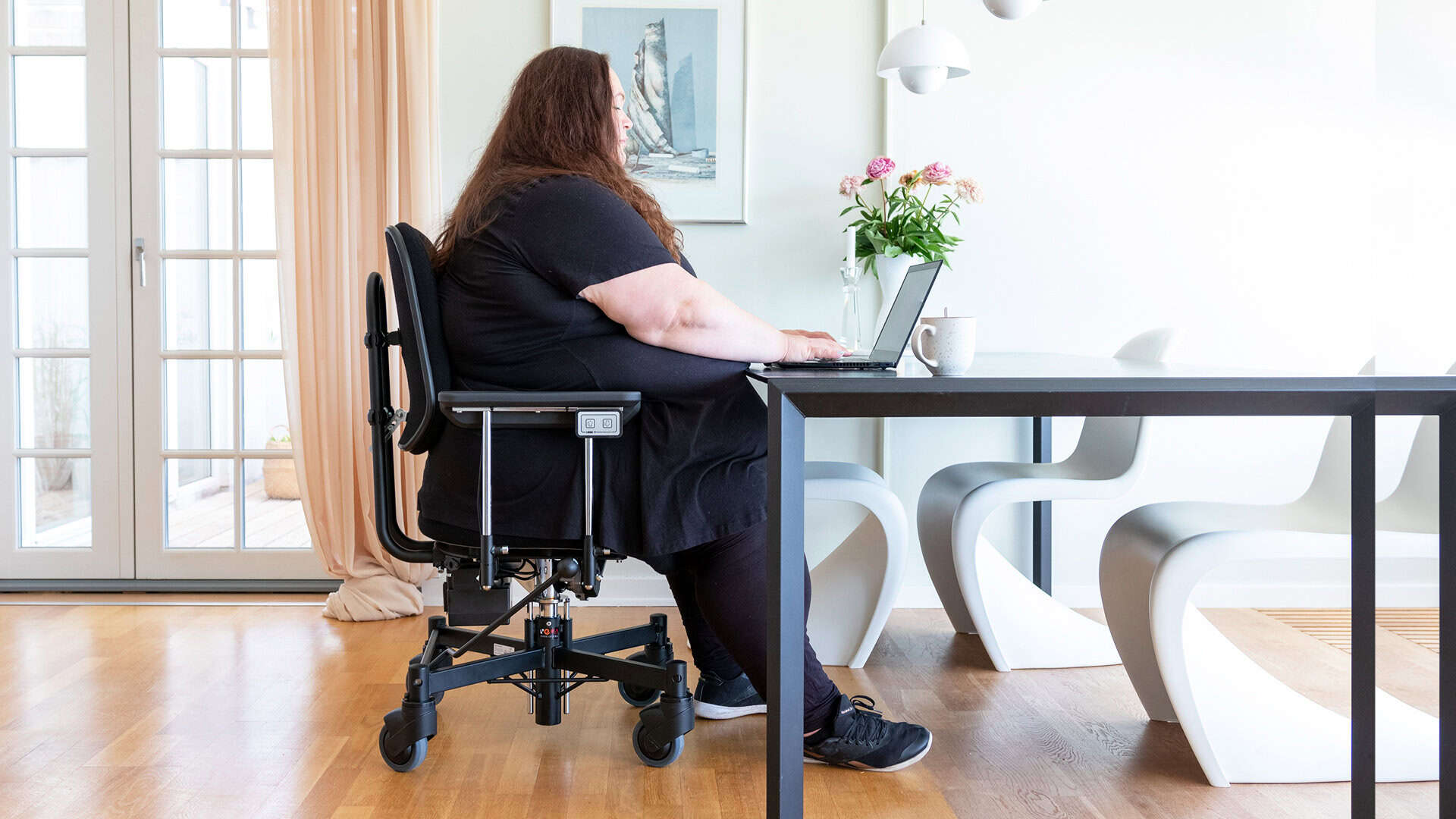
While nursing homes offer comprehensive support, many older adults wish to retain their independence by staying in their own homes as long as possible. Mobility solutions have evolved rapidly, now emphasizing integration with AI and smart environments. Devices such as VELA Chairs feature ergonomic, adjustable designs and increasingly incorporate adaptive monitoring and voice controls for additional safety. Robotics showcased at CES 2026 support rehabilitation and safe movement, while AI-powered coaching guides proper techniques for transfers and everyday tasks.Medtronic Among these solutions, VELA VELA Chairs remain medically approved mobility aids, with the newest models placing a stronger focus on intuitive adjustability, comfort, and compatibility with other smart home systems. These aids empower users and caregivers, reflecting rising demand from Baby Boomers for solutions that are not only highly functional, but also easy to use and personalized to unique needs.Accio
Navigating senior care requires awareness of a broad range of care models and rapid innovations. With the senior population growing, informed decision-making is vital. Options now range from home care with integrated digital health, robotics, predictive analytics, and AI-based monitoring, to community settings guided by new regulatory and insurance frameworks. For authoritative recommendations, visit TheSeniorList. This guide emphasizes proactive engagement with the latest assistive resources. Families are advised to explore up-to-date options such as wearable emergency alert devices, data-driven medication management, robotic companions for daily routines, and ergonomically designed mobility equipment, all while planning for future trends and regulatory updates. Staying informed and planning ahead are key to ensuring quality of life and independence for seniors.Eden Senior HC, Family & Nursing Care
Supporting Aging in Place: A Practical Option
A VELA Chair embodies the core features of aging in place, facilitating the desire of over 85% of seniors to remain at home through safety and ergonomic adaptability. Key features such as a central brake enhance safety by ensuring stability during transfers, while electric height adjustability allows users to easily reach high shelves or sit comfortably at varying table heights. The integration of smart sensors, voice-controlled adjustments, and compatibility with home monitoring further reduce fall risk and support independence without institutionalization.K4Connect The ease of movement while seated means older adults can perform daily tasks like cooking or relaxing without constant assistance. Imagine a senior who can independently prepare meals and move about their kitchen thanks to these advancements. Independent Living Solutions explains that although not the only solution, VELA Chairs represent a proven method to reduce the need for nursing home care, preserving dignity and freedom while simultaneously reducing caregiver burdens. New digital toolkits and AI-powered caregiver assistants further complement these features, making aging in place a more practical, safe, and comfortable reality.
References
- The Care Concierges, “How Technology will Transform Senior Care in 2025”
- Accio, “Trending Elder Care Products 2025”
- Peters Creek Retirement & Assisted Living, “The Role of Assistive Technologies in Senior Care”
- Future Market Insights, “Senior Care Product Market Size & Trends 2025-2035”
- Eden Senior HC, “The Future of Senior Care: Trends in Aging and Health Services”
- Family & Nursing Care, “Top 5 Home Care Trends of 2025”
- UnitedHealthcare Community & State, “How enabling technology is transforming home-based care”
- Caring Data, “Technology in Senior Care: How Innovation Is Transforming Care”
- Provider Magazine, “Long-Term Care 2026 Trends and Outlook”
- K4Connect, “The Future of Senior Living at CES 2026”
- Medtronic, “6 Healthcare Tech Trends for 2026”