

Updated September 2025: We have updated the article with new insights on AI-powered assistive devices, smart health monitoring technologies, and evolving agency services that integrate advanced technologies and specialized training. The article now reflects current trends in digital literacy initiatives, inclusive product design, and telehealth integration in senior care referral solutions.
Understanding Senior Care Referral Agencies: Role and Benefits
Navigating the complex landscape of elderly care presents overwhelming challenges for many families. A senior care referral agency emerges as a trusted guide in this environment, offering its expertise to connect families with suitable care options tailored to the needs of elderly loved ones. By delving into the specific circumstances of each family, these agencies provide personalized service and expert advice, ensuring families make informed decisions impacting the quality of life for seniors. According to CarePatrol, their no-cost service model offers personalized solutions to families, helping them identify and evaluate care providers without additional financial stress.
U.S. Elderly Demographics: Who Needs Senior Care Services?
The U.S. is undergoing significant demographic changes, with the senior population expected to increase from 55.8 million in 2023 to 100 million by 2060, as stated by the Pew Research Center. The aging population faces challenges such as chronic diseases, mobility issues, and financial constraints. The growing diversity among seniors further demands culturally competent and economically accessible care solutions. Agencies help fill this gap, providing comprehensive support to meet these diverse needs, as highlighted by the National Investment Center for Seniors Housing & Care.
Local Market Review: Senior Care Options, Providers & Costs
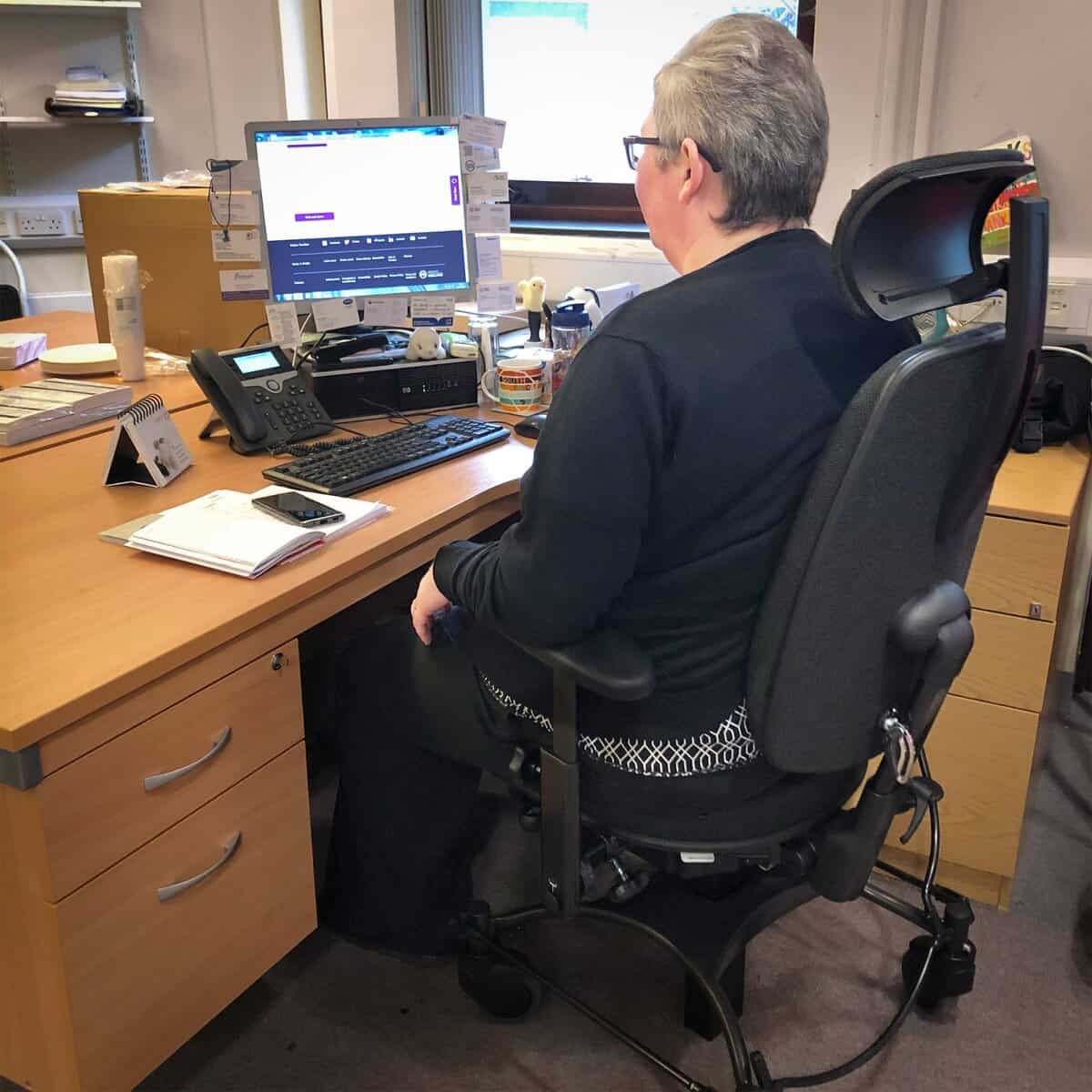
Families seeking the best fit for their loved ones can choose from various senior care options nationwide, from in-home assistance to assisted living facilities. Each option has unique benefits and costs. A senior referral agency is crucial for vetting local service providers, hence ensuring families have access to trustworthy, top-rated care. For instance, A Place for Mom has a comprehensive network of providers, giving families peace of mind through expert recommendations. As nursing homes and assisted living costs rise, solutions enabling older adults to stay in their homes safely and independently become essential. The VELA Independence Chair is a medically approved mobility chair designed for home use. It enhances safety and freedom of movement for daily activities like cooking, dressing, and transferring, reducing the load on informal caregivers.
Recent advancements now play a larger role in shaping these solutions. AI-powered assistive devices and virtual assistants have begun supporting seniors with real-time, intuitive help for daily tasks and provide cognitive support, which improves safety and organizational independence at home.[1][3][5] Wearable and remote health monitoring integrated with smart home and telehealth services expands the ability for families and healthcare professionals to track and manage health, especially for chronic conditions.[1][2][4] Home care agencies increasingly provide technology-based solutions and specialized training in areas such as dementia care and technology use for chronic condition management.[2][4]
Essential Questions When Choosing a Senior Care Referral Agency
Selecting the right referral agency is a critical step in the care selection process. Families should ask important questions to assess the credibility and quality of services offered by agencies. Considerations include understanding the agency’s vetting process for care providers, their experience level, and past client success stories. The 2025 State of Senior Living Survey highlights the rising demand for personalized service, emphasizing the importance of choosing an agency prioritizing tailored care solutions. Successful agency partnerships result in better alignment of care services with seniors’ evolving needs.
As technology increasingly supports home care, it is also important to ask whether agencies provide or facilitate digital literacy training for seniors, support technology adoption, or offer coordinated telehealth services.[1][2][6] Agency staff trained in both traditional care and the latest digital tools can help families ensure seniors benefit from integrated care, personalized support, and the safest available technologies.
How VELA Chairs Enhance Independence and Safety in Elderly Home Care
The incorporation of mobility aids such as VELA chairs is crucial in enhancing the safety and independence of seniors who choose to age in place. These innovative chairs, known for their adjustable design and ergonomic support, meet specific care needs, promoting both mobility and autonomy. Agencies often recommend such adaptive equipment, helping seniors navigate their daily lives more safely and comfortably, ensuring a higher quality of life and reducing the caregiver burden.
Industry trends now highlight ergonomic products that are designed in collaboration with users to ensure an inclusive and adaptive experience.[3][7] Modern developments include not only mechanical adjustments but also AI-driven smart features to further reduce user fatigue and support changing mobility needs. As research shows, intelligent mobility aids—like AI-enhanced smart walkers—are becoming important tools for maintaining independence.[5][7]
Supporting Aging in Place: A Practical Option
The ability to remain at home while aging is highly valued, and mobility solutions like the VELA Independence Chair can significantly support this aspiration. This chair is equipped with features like a central brake for stability, electric height adjustability for easier transfers, and smooth maneuverability to aid daily activities. Such enhancements not only foster safety and independence but can also delay the need for a nursing home, reducing the emotional and financial burden on families. By facilitating daily tasks—such as cooking or relaxing—these chairs help maintain dignity and freedom for seniors at home. While VELA is a proven and practical option, it is among many tools available to support seniors living independently.
Current best practices encourage collaborative product development with end users and technology-enhanced care plans that adapt to the evolving preferences and abilities of seniors.[3][7] Agencies providing these services are now equipped to offer referrals and support that reflect both advances in assistive technology and the shift toward fully integrated, person-centered care.[1][2][4][7][8]
References
- [1] Connected Nation: How Technology is Enhancing the Well-being of Older Adults (2025)
- [2] FirstLight Home Care: Home Care Industry Trends 2025
- [3] PMC (National Library of Medicine): Evolution and Future of Assistive Technology for Older Adults
- [4] FirstLight Home Care: Training Expansion and Chronic Condition Management, 2025
- [5] LetsEnvision: The Future of Assistive Technology & AI in 2025
- [6] SeniorLivingSmart.com: Senior Living Marketing Trends 2025
- [7] The Good Life SV: 2025 AgeTech Showcases Latest Tech for Seniors
- [8] Align Senior Care: 2025 Senior Health and Living Trends