

Updated October 2025: We have updated the article with new findings on AI-driven workforce tools, advanced assistive technologies, remote rehabilitation integration, and the latest guidelines for resume composition in senior care roles. Guidance now covers demonstrating technology proficiency, highlighting quantifiable care outcomes, and aligning resumes with current 2025 hiring expectations.
Creating an Effective Senior Care Resume in 2025
As the expansive field of elderly care evolves, a meticulously crafted resume is paramount for aspiring and current caregivers. The aging population continually elevates the demand for compassionate and skilled senior care professionals. According to the U.S. Bureau of Labor Statistics, the employment of home health and personal care aides is projected to grow much faster than average, highlighting the critical need for a standout resume. Ensuring your resume vividly displays your skills, experiences, and dedication to elderly care can be a decisive factor in securing a rewarding role.
Creating a strong first impression with your professional summary
Your professional summary sets the tone for your resume. Make sure it explicitly reflects your specific experiences and skills within the senior care sector. Whether transitioning careers or enhancing an existing role, your summary should encapsulate both your practical experiences and dedication to improving the lives of seniors. Incorporate your proficiency with digital tools, care management software, or AI-powered systems if you have experience in these areas. Candidates are now encouraged to mention familiarity with AI-driven workforce tools and robotic assistance, as these technologies are increasingly integral to caregiving environments. For additional insights, refer to Ultimate Care NY’s guide.
- Example for Experienced Caregivers: “Compassionate and experienced caregiver with over five years specializing in dementia care, AI-based care coordination, and enhancing everyday activities for elderly clients, consistently reducing hospital readmission rates.”
- Example for Career Changers: “Dedicated professional transitioning into elder care, leveraging robust organizational skills, digital literacy, and a genuine commitment to enhancing senior well-being through innovative care solutions.”
Showcasing your qualifications with relevant certifications
Certifications are a testament to your expertise and commitment to the field. Key certifications in senior care include Certified Nursing Assistant (CNA), CPR, and Medication Aide Certification (MAC). According to Resume Builder, these certifications validate readiness to manage elderly conditions effectively. In 2025, it is recommended to highlight any additional training with assistive technologies, care management platforms, or digital health tools, as well as certifications related to the use of AI in care environments. Additionally, including education or certification in remote rehabilitation techniques and ergonomic assistive device operation demonstrates a contemporary, well-rounded skill set. Ensure all certifications are current and emphasize any advanced or specialized training pertinent to elder care.
Highlighting specialized experience in elderly care conditions
Articulate your experiences with specific elderly conditions. Include practical scenarios where you’ve applied skills such as memory care techniques or facilitating safe mobility. Use specific, measurable examples to illustrate your impact, such as quantifying mobility improvement or reduced hospitalizations. Employers now seek resumes that use action verbs and cite data-driven outcomes to demonstrate effectiveness, as suggested by Enhancv and recent caregiver resume guides[3], [4]. Consider highlighting experiences with technology-enabled remote therapies, sensor-driven feedback systems, and AI-supported care management platforms to align with current demands.
- Example bullet point: “Implemented a fall prevention program that reduced incidents by 30% in six months.”
- Example bullet point: “Utilized digital care plan software to monitor medication compliance, achieving a 95% adherence rate among clients.”
- Example bullet point: “Facilitated remote rehabilitation sessions using sensor-enabled therapy tools, enhancing client recovery outcomes and engagement.”
Enhancing care with innovative mobility solutions
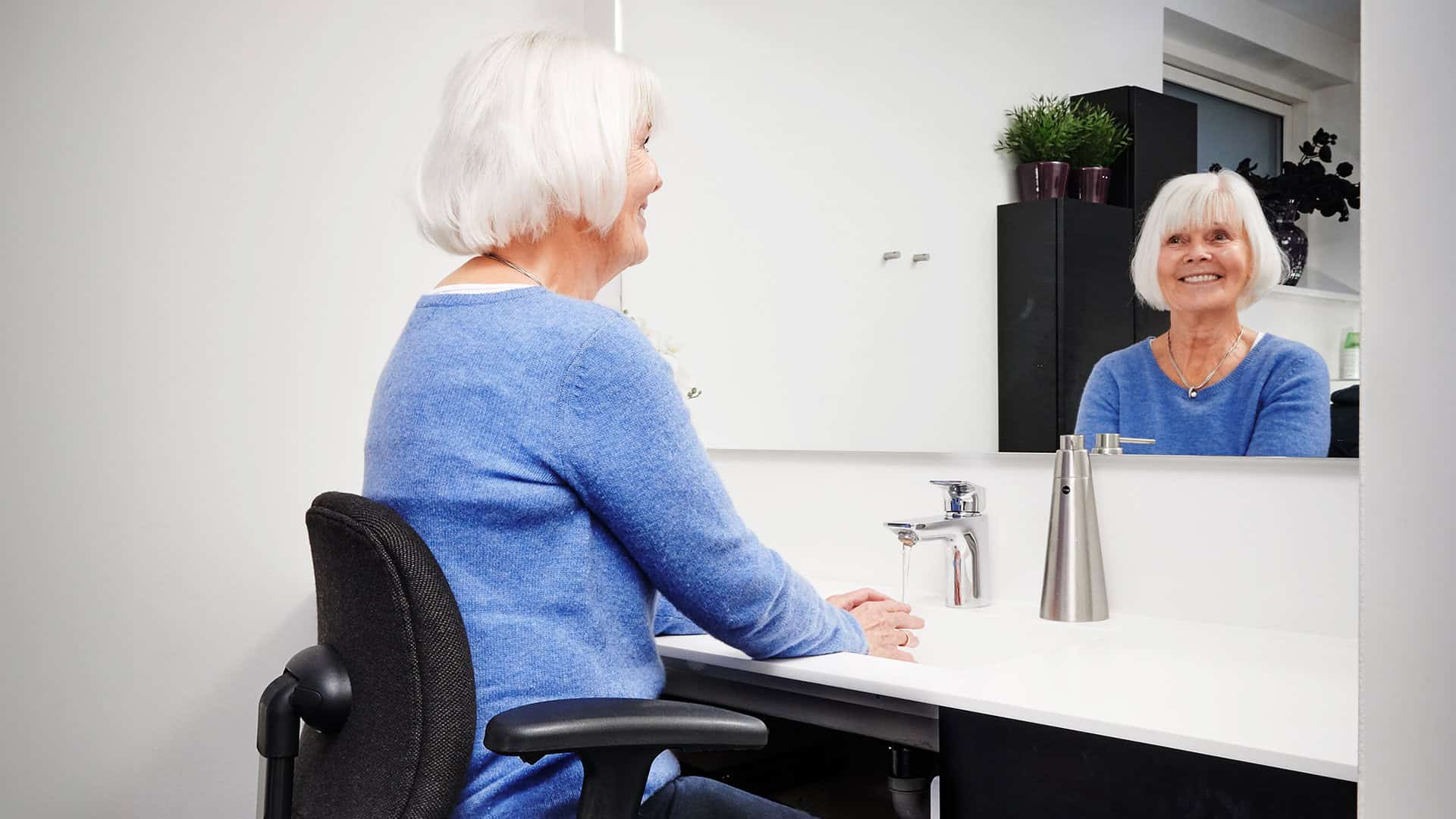
An increasing challenge for older adults and caregivers is managing the demands of daily tasks while ensuring the safety and mobility of seniors in their own homes. Addressing these needs with innovative solutions is essential to prevent premature transitions to nursing homes. The VELA Independence Chair presents a valuable option; it is a medically approved mobility chair tailored for home use. This solution enhances safety, provides freedom of movement, and supports daily activities such as cooking, dressing, and transferring, effectively reducing the burden on informal caregivers. Recent design advances in assistive technology include AI-enhanced adaptability and real-time adjustment according to user needs, features that can further support seniors’ independence and caregiver efficiency. Experience or familiarity with such modern mobility and assistive devices demonstrates relevant technical skills in today’s senior care landscape[5].
Demonstrating in-demand soft skills and digital proficiency
Recruiters and employers now place a strong emphasis on soft skills such as emotional intelligence, adaptability, crisis management, and collaborative teamwork. Effective caregivers display a capacity to work with rapidly changing technologies and shifting care protocols, while maintaining empathy and strong communication. Digital literacy, proficiency with AI-powered or data-driven care management tools, and the ability to adapt to new software or robotics systems are increasingly valuable. Highlighting these abilities in your resume—alongside your digital proficiency and familiarity with AI-powered or data-driven care management tools—sets you apart in the candidate pool. Use action-oriented, measurable examples. This aligns with recommendations for evaluating leadership potential and dynamic skills in modern care teams[6], [2]. Additionally, resumes should be structured to optimize performance in applicant tracking systems (ATS), using clear sectioning and keywords related to technology, care outcomes, and interdisciplinary collaboration.
- Example bullet point: “Coordinated digital onboarding of new staff as a virtual training assistant, reducing training time by 20%.”
- Example bullet point: “Recognized for high emotional intelligence and teamwork, contributing to patient satisfaction scores above 90%.”
- Example bullet point: “Optimized daily shifts using digital staffing platforms driven by AI, improving schedule efficiency and coverage.”
Crafting a winning conclusion
A compelling senior care resume is not only a document but a reflection of your commitment and capability in elder care. With the rising demand for skilled caregivers, a well-presented resume highlighting your skills, certification, experience, digital proficiency, and measurable achievements can distinguish you in the growing market. Present your experience using a combination resume format to balance chronological employment history with a dedicated section on contemporary technical skills and quantified outcomes, following 2025 industry recommendations. For more nuanced advice, view Regency HCS’s insights.
By incorporating these tailored strategies, your resume will effectively showcase your dedication and skillfulness, enhancing your chances to embark on or advance in a promising career in elderly care.
Supporting aging in place: a practical option
In the realm of senior care, enabling older adults to age in place comfortably and safely remains a top priority. Mobility solutions like the VELA Independence Chair play a pivotal role in supporting this goal by ensuring that aging individuals can maintain their autonomy at home for longer periods. Equipped with features such as a central brake for added security, seamless height adjustment for effortless transfers, and ease of movement while seated, the VELA Chair helps mitigate daily challenges. These benefits not only foster independence by aiding in cooking, cleaning, and overall mobility but also delay the potential necessity of nursing home care. While VELA is not the sole answer to all mobility challenges, it is a proven and reliable choice among assistive technology enabling independent living, emphasizing values like dignity, freedom, and energy-saving in everyday life. Compliance with updated accessibility standards and ethical integration of intelligent technology is now a key consideration in both device use and professional training.
Sources:
- Elderly Caregiver Resume Examples & Guide for 2025, Enhancv (2025-07-04)
- 9 Workforce Trends to Focus on in 2025, McKnight’s Home Care (2025-01-15)
- Caregiver Resume Examples & Templates (2025), MyPerfectResume (2025-04-04)
- Current Resume Trends for 2025, ResumeBuilder.com (2024-11-28)
- Best Caregiver Resume Examples and Templates for 2025, ResumeTemplates.com (2025-05-26)
- Beyond the Resume: How to Assess Leadership Potential in Senior Care Candidates, iAdvance Senior Care (2025-06-30)
- 10+ Caregiver Resume Templates for 2025, Hloom.com (2025-03-11)
- 11 Caregiver Resume Examples Proven to Work in 2025, BeamJobs (2025-06-22)