

Updated February 2026: We have updated the article to highlight the latest advancements in assistive technology for seniors, including smart AI-integrated mobility devices, modular and lightweight materials, robotics for home and care tasks, clinical-grade wearables for fall and health monitoring, VR/AR rehabilitation, and CES 2026 innovations. Updates also reflect trends toward insurance-covered equipment upgrades, AI-driven predictive care, and tailored solutions addressing Asheville’s specific accessibility needs.
Updated October 2025: We have updated the article to reflect new developments in assistive technology, highlighting AI-powered smart mobility aids, brain-computer interface prosthetics, wearable robots and exoskeletons, and advances in inclusive product design. The update also incorporates recent policy efforts and market trends aimed at improving accessibility and independence for seniors.
A Hub for Senior Care Services in Asheville, NC
In recent years, Asheville, North Carolina, has emerged as a vital hub for senior care services, reflecting the growing needs of its elderly population. With over 22.6% of Buncombe County’s residents aged 65 and older, the demand for comprehensive senior care in Asheville is apparent, as noted by America’s Health Rankings. This article delves into the range of senior care services available and how they cater to the region’s aging community.
Diverse Senior Care Options in Asheville
Asheville offers a wide spectrum of senior care options, ensuring that residents can find the support they need. A standout program is the Program of All-inclusive Care for the Elderly (PACE) provided by CarePartners. This initiative integrates healthcare solutions to meet seniors’ medical and social needs, allowing them to live independently within their communities. For example, John, a local Asheville resident in his late 70s, credits PACE with significantly enhancing his quality of life by providing comprehensive health monitoring and social interaction opportunities, which prevent isolation and deterioration of health.
Facilities such as Arbor Terrace specialize in dementia care, offering environments designed for Alzheimer’s patients. Their trained staff focus on therapeutic activities specifically designed to maintain residents’ cognitive functions, reduce anxiety, and improve their overall quality of life through personalized care plans.
Innovations in Assistive Technology
Recent advancements are transforming the experience of aging and disability support in Asheville. As of 2026, assistive technology for seniors has become far more sophisticated, with smart mobility devices featuring AI integration, obstacle detection, GPS tracking, and real-time health monitoring now widely available. Lightweight materials, such as carbon fiber, allow for easier handling and improved maneuverability of mobility aids [1] [2] [11]. Modular seating systems enable customizable comfort, while next-generation robotics assist with navigation and even medication delivery in both home and care environments [3] [6].
Today’s assistive devices for seniors feature AI-powered smart mobility aids such as intelligent wheelchairs and scooters with enhanced navigation, obstacle avoidance, voice control, adaptive ergonomic designs, and mobile app connectivity for both users and caregivers. The 2026 Consumer Electronics Show (CES) introduced innovations including WheelMove attachments for manual wheelchairs, all-terrain AI-enabled power chairs, and Mobility-as-a-Service (MaaS)-Bridge for more accessible regional transport. These solutions are especially valuable for seniors in Asheville, a city known for its varied terrain and active senior communities [6].
Clinical-grade wearable monitors now enable proactive fall detection and continuous vital sign monitoring, contributing to improved safety and a reduction in hospital readmissions [1] [3]. Additionally, voice-activated AI assistants and smart home automation have become essential for low-mobility users by simplifying daily routines, medication reminders, and home management tasks.
Virtual reality (VR) and augmented reality (AR) platforms are now gaining momentum in rehabilitation settings, providing engaging physical therapy experiences and supporting seniors as they regain or maintain mobility at home or in care communities [11].
Insurance coverage in 2026 increasingly supports upgrades for durable medical equipment (DME), and new policy trends encourage adoption of advanced robotics and predictive care management through AI. These ongoing changes help reduce caregiver burden and promote aging-in-place while improving long-term outcomes [1] [2]. Local Asheville environments are responding with retrofits in retirement homes, such as seamless smart home integration, stair lifts, and accessible ramps, aligning with the specific mobility needs of the region’s senior community.
Community and In-Home Support Systems
Asheville’s commitment to supporting its elderly community is evident in its robust community and in-home care services. Senior centers, such as the Senior Opportunity Center and organizations like the Council on Aging of Buncombe County, play crucial roles. They provide vital services like Medicare assistance and meal deliveries, supporting the independence and dignity of older adults. These centers also offer wellness programs, social activities, and practical support like transportation solutions, ensuring seniors stay active and engaged.
For seniors wishing to age in place, in-home service providers like Senior Helpers offer tailored care solutions, including companionship care, personal hygiene assistance, and mobility aid integration. Programs such as “Seniors Safe at Home,” overseen by the Council on Aging, provide necessary adaptations and support for those choosing to remain in their homes. Take Mary, an 82-year-old resident who benefits from these services, as she continues living independently while receiving daily living support, enhancing her safety and well-being at home.
Strategic Planning for an Aging Population
North Carolina is actively addressing the challenges associated with an aging population. According to WFAE, the state’s strategic plan, prompted by Governor Cooper’s directives, aims to streamline resource access and improve caregiver availability. This comprehensive strategy also addresses critical issues such as transportation, essential for maintaining the social connectivity of seniors.
One family, navigating the complex landscape of senior care resources in Asheville, found the state’s strategy instrumental in ensuring their loved one, a military veteran with mobility challenges, received appropriate care and community support. The roadmap provides clarity in choosing services and assists in planning long-term care strategies. Policy trends are now expanding support and funding programs—following global examples like Australia’s NDIS—which aim to broaden accessibility and inclusion for advanced assistive devices and technologies source 1 source 15.
Maintaining Independence with VELA
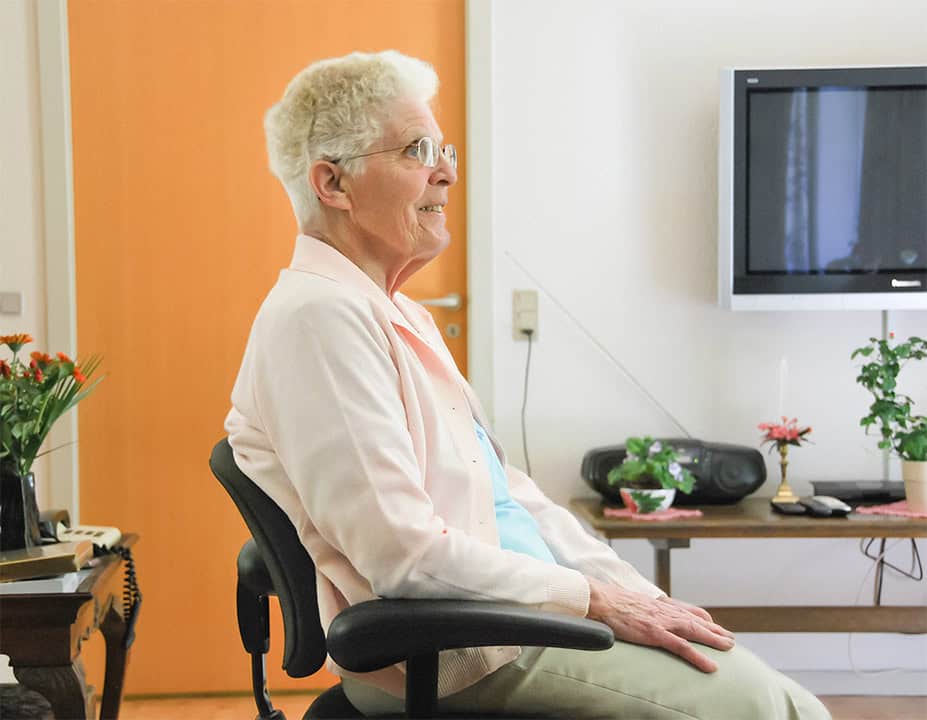
In light of the challenges faced by seniors residing in nursing homes, solutions that enable independence at home are increasingly valued. One such solution is the VELA Independence Chair, a medically approved mobility chair designed for home use. The VELA chair offers enhanced safety, freedom of movement while seated, and supports daily activities such as cooking, dressing, or transferring—significantly reducing the burden on informal caregivers. It represents an innovative approach to help seniors like John and Mary maintain their independence and quality of life within their own homes, thus potentially delaying the need for institutional care.
- Top Durable Medical Equipment Trends for Senior Caregivers in 2026
- Top Mobility Trends for 2026: What’s New in Wheelchairs, Scooters and Accessibility Technology
- How Smart Tech is Revolutionizing Senior Community Living in 2026
- CES 2026: 4 Assistive Technology Exhibitors to Watch
- Top Five Health Care Trends for 2026: How New Technology Is Transforming Patient Care