

Updated September 2025: We have updated the article to include recent advances in assistive technology for seniors, such as AI-powered smart wheelchairs, wearable mobility aids, smart home systems, enhanced communication devices, and increased adoption of telehealth. The guide now reflects new regulatory and funding trends supporting access to these innovations.
Senior Care Services in Richmond, RI: A Comprehensive Resource Guide
Richmond, Rhode Island, though a small community, offers a broad spectrum of senior care services tailored to meet the needs of its aging population. With 1,134 residents aged 65 and older comprising 14.04% of the population, ensuring diverse care options is essential. According to Neilsberg, these demographics highlight the importance of robust senior support systems. This resource guide aims to provide detailed insights into these services, empowering seniors and their families with the necessary knowledge to make informed caregiving decisions.
Understanding Richmond’s Senior Care Landscape
Despite representing a smaller percentage of the overall population compared to national figures, Richmond’s senior community plays a vital role in the town’s fabric. Balancing work and family care is a common scenario, where reliable community support becomes critical. Resources like RI Elder Info provide valuable guidance on available services, highlighting the town’s commitment to its aging residents.
In-Home Care Services: A Path to Independence
In-home care services significantly contribute to allowing seniors to maintain independence within their own homes. Providers such as Home Care Services of Rhode Island and Care at Home offer customized care solutions—from hourly to live-in support—that cater to individual needs. These services encompass daily activities like meal preparation, medication reminders, and transportation assistance.
Consider Mrs. Stevens, a Richmond resident, who thrives independently with tailored in-home support. Her experience showcases how personalized services enable seniors to retain control over their activities while living independently.
Community and Regional Support for Seniors
Richmond’s Community/Senior Center and the Tri-County Community Action Agency offer critical support services to benefit local seniors. From wellness programs at the Senior Center to initiatives like Meals on Wheels and personal emergency alerts from Tri-County, these programs ensure seniors stay active and engaged. One such senior, Mr. Lewis, actively participates in the Senior Center’s wellness programs, reflecting on the physical and social benefits he derives.
Enhancing Mobility and Safety for Aging in Place
Facing the challenges associated with nursing homes, such as limited autonomy and social disconnect, many seniors prefer to remain in their homes for as long as possible. This can be supported by integrating mobility solutions that enhance both safety and independence. Recent developments in assistive technology have introduced AI-powered smart wheelchairs featuring collision avoidance, autonomous navigation, remote customization, and built-in health monitoring sensors. These wheelchairs adapt to individual usage patterns for personalized assistance and can often be retrofitted to existing devices, further supporting independence and reducing caregiver burden.[2][6][7]
Wearables and exoskeleton technologies now complement traditional mobility aids by monitoring physiological data in real time and providing physical support, making everyday activities safer and enabling active rehabilitation for users with limited mobility.[4]
Smart home assistive systems—such as automated lighting, voice-controlled devices, smart security, and advanced fall detection—also contribute to aging in place by reducing risks and making familiar environments safer for seniors.[1][3]
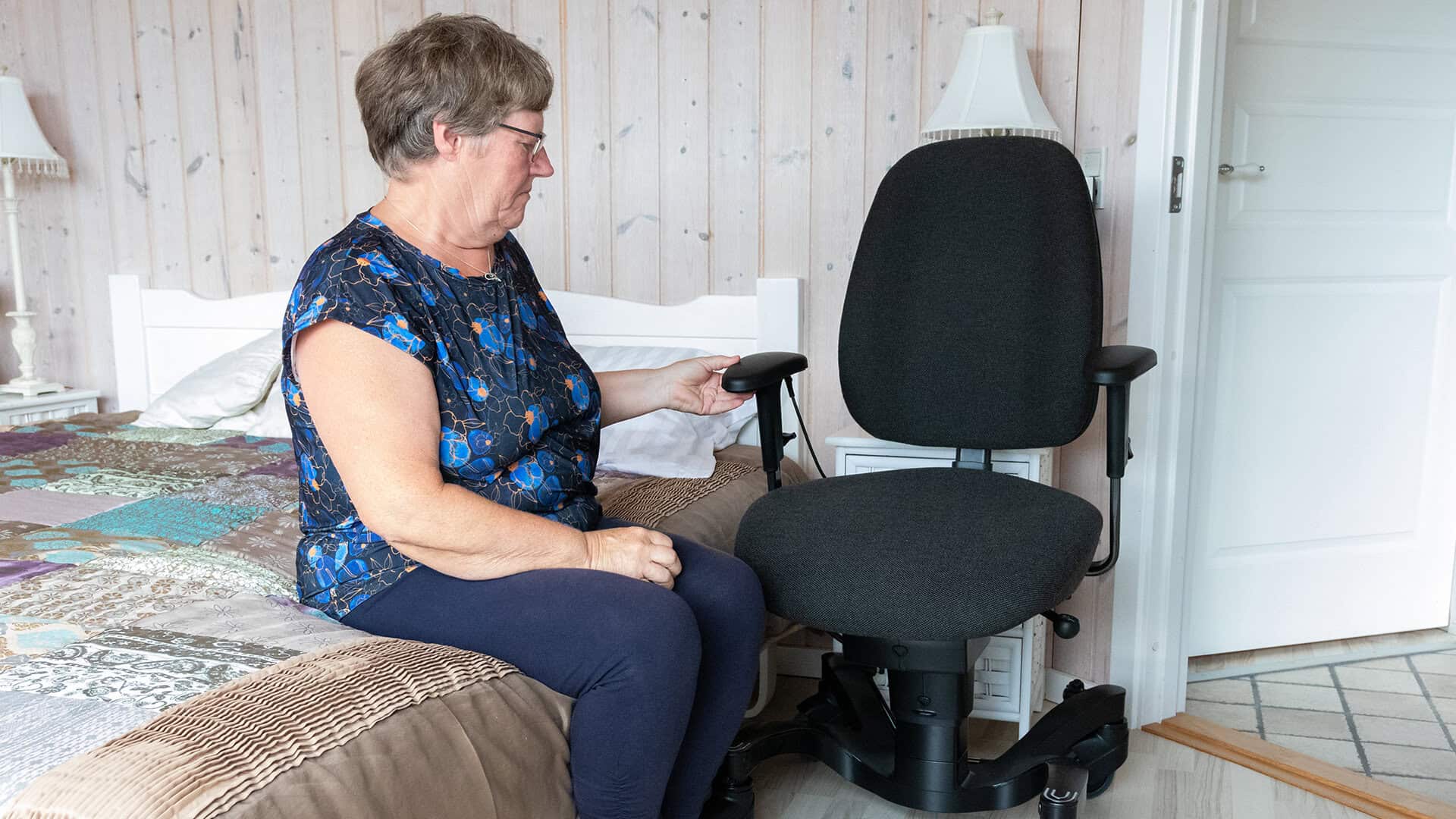
One such mobility solution is the VELA Mobility Chair, a medically approved chair designed for in-home use. With features like enhanced safety mechanisms, movable seating, and support for daily activities such as cooking, dressing, and transferring, the VELA Chair offers valuable assistance in reducing the reliance on informal caregivers and decreasing the burden on family members.
Expanding Inclusive Care: Communication and Connection
The needs of seniors with cognitive or speech impairments are increasingly being met through improved augmentative and alternative communication (AAC) devices and robotic aids. These innovations support more effective daily interaction and broader inclusivity in assistive care, reflecting a commitment to rehabilitation best practices and universal design.[4]
Telehealth solutions are also reshaping senior care in Richmond, enabling remote monitoring of health conditions and access to rehabilitation therapies without frequent travel. This technology reduces unnecessary hospital visits and expands access to geriatric and rehabilitation services for seniors aging in place.[1]
Policy, Funding, and Digital Literacy for Technology Adoption
Recent policy trends place increased emphasis on age-friendly design and accessibility, with new funding programs helping seniors access more advanced assistive technologies. Digital literacy initiatives are being implemented to ensure that seniors can confidently utilize the latest devices and systems, further promoting independence and promoting equal access to care.[1][6][7]
The assistive technology market continues to experience rapid growth, driven especially by AI-powered devices and the rising prevalence of orthopedic and neurological disorders.[8]
Crafting a Future of Independence and Dignity for Richmond’s Seniors
Navigating the senior care landscape in Richmond requires a proactive approach to adapting to changing needs. The diverse services now available—from community activities and bespoke in-home care to AI-enhanced mobility solutions and smart home systems—demonstrate a strong commitment to enhancing life quality for seniors. RI Elder Info stresses the importance of customizing care plans to reflect evolving needs, ensuring seniors continue to live with dignity and independence. Incorporating new technologies and fostering digital literacy ensures Richmond’s seniors gain the most benefit from modern innovations and standards in care.[1]
In conclusion, Richmond, RI’s senior care services offer a comprehensive support system dedicated to catering to the varied needs of its elder community. By focusing on safety, individuality, and personal preferences—and by adopting next-generation technologies—the town nurtures an environment conducive to well-being, championing the needs and dignity of its senior residents.
Supporting Aging in Place: A Practical Option
Staying independent at home is a goal for many seniors, and solutions like the VELA Mobility Chair can make a significant difference. Its specific features address common challenges such as maintaining safety, conserving energy, and simplifying transfers. The chair’s central brake ensures stability, while electric height adjustability and ease of movement while seated promote safety and comfort. The integration of AI-powered and sensor-enabled mobility aids offers even further benefits, such as adaptive driving assistance and real-time health monitoring, helping to prevent falls and support daily activity.[2]
Technology-driven solutions now assist with other core challenges in independent living, including smart home systems for fall detection and voice-activated controls for appliances, all of which aim to preserve dignity and enhance the quality of daily life. Without such supportive tools, seniors might face greater risks of falls, increased dependency, and possibly an earlier need to transition into nursing care homes. VELA offers an effective way to mitigate these issues, preserving dignity and enhancing daily life. Although other options are available, VELA stands out as a proven, practical solution for those prioritizing autonomy and well-being in their later years.Enhancing Senior Mobility
For more information on the latest assistive technologies, funding programs, or digital training opportunities for seniors in Richmond, consider visiting the linked resources or connecting with local eldercare agencies cited throughout this guide.
Sources:
- Connected Nation. “How technology is enhancing the well-being of older adults.”
- Everything Medical Online. “The Latest Trends in Mobility Aid Technology for 2025.”
- Silverts. “Investing in Assistive Technology for Seniors.”
- Tomcare. “Assistive Technologies 2025: Innovations Empowering People with Disabilities.”
- PMC (PubMed Central). “The Role of Assistive Technology in Enabling Older Adults to…”
- AbilityMT. “Exciting Assistive Technology for People with Disabilities.”
- PMC (PubMed Central). “Integrating AI and Assistive Technologies in Healthcare.”
- PR Newswire/Technavio. “Assistive Technology Market to Grow by USD 6.3 Billion from 2025-2029.”