

Updated September 2025: We have updated the article to include new advances in assistive technology for senior care, including AI-powered devices, integrated smart home ecosystems, telemedicine, advanced wearables, policy changes supporting enabling technology, and modern ergonomic and sensory-friendly design for memory and rehabilitation environments.
Senior Care Services in Lancaster, PA: A Comprehensive Guide
As more of Lancaster County’s population enters their senior years, with 20.2% identified as elderly, finding the right care becomes increasingly significant. According to the CDC, “most older adults have at least one chronic disease, and many have two or more,” highlighting the importance of accessible senior care services. This article explores the landscape of senior care in Lancaster, PA, providing a guide to available services, demographic insights, and local provider evaluations.
Understanding senior care services in Lancaster, PA
Senior care in Lancaster offers a range of services designed to meet diverse needs. These include home care, skilled nursing, assisted living, and innovative PACE (Program of All-Inclusive Care for the Elderly) programs. Each service caters to different care requirements, particularly for seniors with chronic illnesses who need specialized support. Cultural and financial considerations play a significant role in the choice and accessibility of services. According to the Lancaster County Office of Aging, understanding these factors is crucial for tailored care solutions. For instance, a senior managing diabetes may benefit from home health services, ensuring consistent medical monitoring while maintaining independence.
Recent advances in senior care include the integration of AI-driven technologies and smart home systems that optimize safety and independence. Seniors and their caregivers now benefit from connected home ecosystems—featuring smart locks, lighting, and medication reminders—which allow for seamless safety and health monitoring. Wearable health devices with advanced multi-sensor capabilities also enhance fall detection, monitor vital signs, and offer real-time health insights for both seniors and caregivers. Telemedicine and virtual healthcare consultations have become a standard practice, making timely medical access more convenient and reducing transportation challenges for individuals with mobility limitations. These innovations are strongly contributing to more effective and personalized care coordination in the Lancaster area.
Cyces, 2025; Heisinger Bluffs, 2025; Health Dimensions Group, 2025.
Demographic profile & unique needs of Lancaster’s elderly community
Lancaster’s elderly population is not only growing but also becoming increasingly diverse. According to Data USA, seniors from Hispanic and African American communities face socio-economic challenges, with poverty rates significantly higher than their white counterparts. The Lancaster City Government provides data indicating that these communities often require tailored support. For instance, a case study of a low-income African American senior shows how city resources, like subsidized home care services, can be instrumental in managing health needs and enhancing quality of life.
Alongside traditional cultural and economic challenges, the need for personalized and dignity-centered care has expanded, especially for seniors with cognitive or sensory needs. The latest approaches include incorporating ergonomic and inclusive product designs and sensory-friendly environments within memory care and rehabilitation settings. These emphasize comfort, maintain a homelike atmosphere, and support personalized routines, affirming the dignity and preferences of aging individuals.
Juniper Communities, 2025
Evaluating local senior care providers: Ratings & experiences
Choosing a reputable care provider is paramount. Leading providers in Lancaster, such as Albright LIFE and Amedisys Home Health, are well-regarded for their comprehensive services. Real user feedback from platforms like Medicare.gov reveals practical insights into the quality of care. For example, a Lancaster resident praises Amedisys for their dependable and supportive staff, consistently rated highly by users. These testimonials, along with objective ratings, can guide families in making informed decisions.
Modern care providers increasingly utilize AI-powered tools and virtual assistants to support both staff and residents. These technologies streamline care coordination, reduce administrative burdens, and enable more personalized and responsive support—further boosting overall care quality for Lancaster’s elderly population.
Health Dimensions Group, 2025
The economics of elderly care in Lancaster, PA
The cost of elderly care varies widely, influenced by the level of service and care requirements. According to the Pennsylvania Department of Health, home care services in Lancaster typically range from $22 to $30 per hour. Financial planning is crucial, as the economic burden can be significant. For families arranging care for a parent, exploring options like long-term care insurance or Medicaid can provide financial stability.
Recent healthcare policy and Medicaid updates have expanded access to enabling technologies and assistive devices for eligible seniors. These benefits now support customized solutions such as medical alert systems, smart home modifications, and advanced mobility aids, reducing the burden on family caregivers while promoting greater independence at home. The market for independent living solutions continues to surge, reflecting both an aging population and professional caregiver shortages.
UnitedHealthcare, 2025; ResearchAndMarkets, 2025
Assistive devices for enhanced senior independence
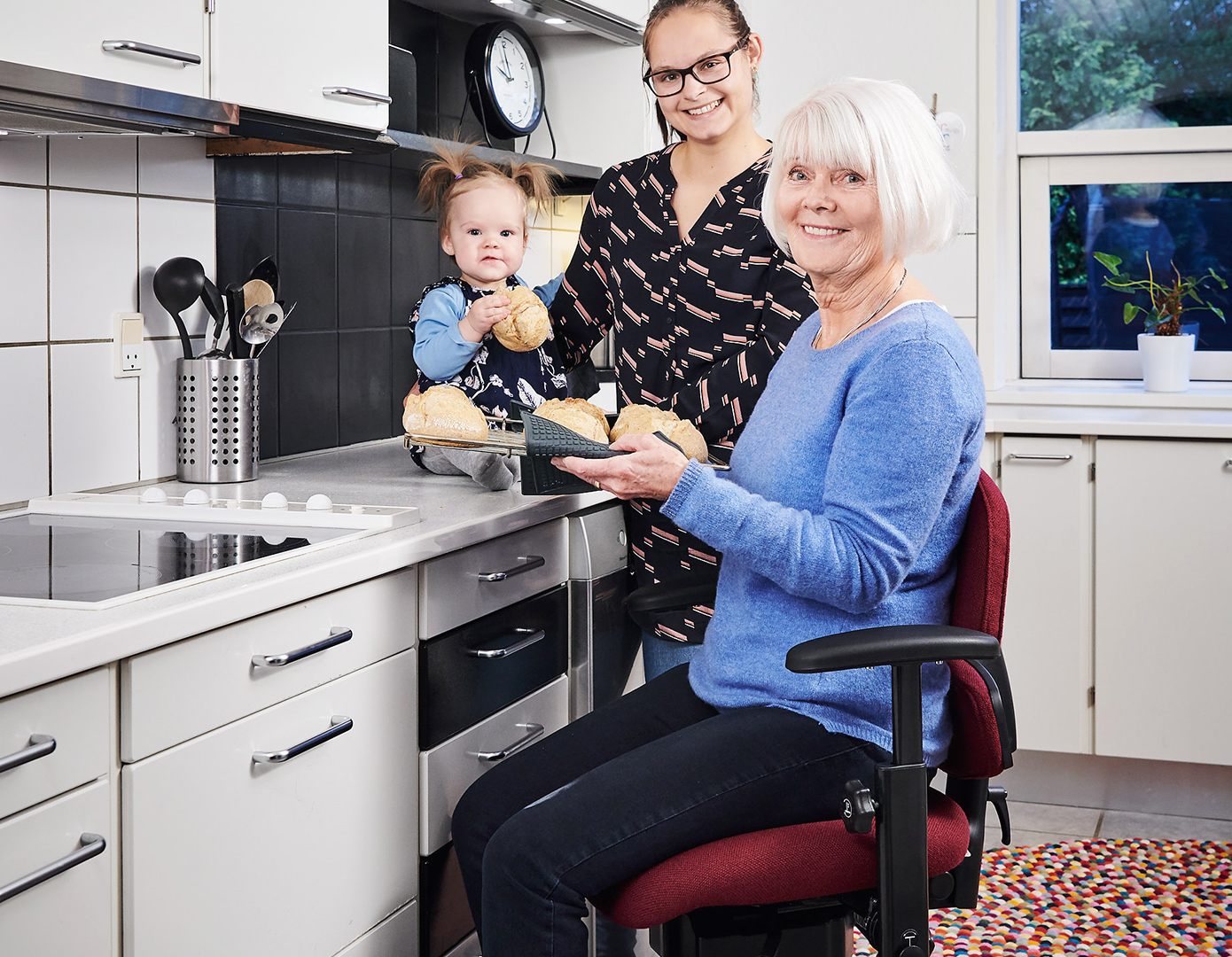
In addressing the challenges associated with nursing homes, such as high costs and the loss of personal freedom, many seniors and their families are turning towards alternatives that maintain independence within the comfort of home. One noteworthy solution is the VELA Independence Chair, a medically approved mobility aid specifically designed for home use. This innovative chair enhances safety, freedom of movement while seated, and supports daily activities like cooking, dressing, and transferring—all while easing the workload for informal caregivers. By promoting an independent lifestyle, VELA chairs contribute significantly to the well-being and dignity of seniors wishing to age comfortably in their own homes.
Technological developments have further expanded the range of assistive devices available for seniors. Wearable devices now serve as personal health navigators, featuring multi-sensor functionality for fall detection, heart rate, and sleep monitoring. These wearables deliver actionable health insights to seniors and caregivers, and often integrate with smart home systems for additional safety. The adoption of such technology is supported by improved training programs and support frameworks to help seniors confidently incorporate these tools into their routines.
Cyces, 2025
Heisinger Bluffs, 2025
Staying independent at home with support
The VELA Chair offers a practical way for seniors to remain independent longer in their own homes. Its features, such as a central brake for safety, electric height adjustability, and ease of movement while seated, address key issues like safety, energy conservation, and comfortable transfers. This can help delay the need for a nursing home by allowing seniors to manage tasks such as cooking, cleaning, and relaxing with greater ease and confidence. Such mobility solutions foster a sense of dignity and freedom, reflecting a compassionate approach to aging in place. While VELA is not the sole solution, it stands as a proven and practical option among supportive seating solutions for elderly care. By integrating tools like the VELA Chair, families can embrace a more manageable and liberating lifestyle for their loved ones.
In addition to seating solutions, the seamless connection of assistive devices—ranging from AI-powered virtual assistants to advanced wearable monitors—empowers seniors to maintain independence, safety, and social engagement at home. Support frameworks and technology training have also become integral, helping seniors and caregivers overcome adoption barriers and fully benefit from these modern care solutions.
Cyces, 2025
Health Dimensions Group, 2025