

Updated September 2025: We have updated the article with the latest advancements in assistive technologies for elder care, including the integration of AI-powered monitoring, smart home devices, advanced wearable technologies, and holistic approaches that promote both physical and mental well-being. The update also reflects emerging best practices and evolving health policies supporting technology-enabled, home-based care.
Empowering Caregivers with Essential Skills for Senior Wellbeing
Providing quality care for the elderly is becoming increasingly crucial as the population ages. According to the American Caregiver Association, over half of seniors will require long-term care at some point in their lives, underscoring the growing need for skilled caregivers who can manage seniors’ diverse needs effectively. With a rise in conditions such as Alzheimer’s and mobility challenges, understanding essential skills for senior care is pivotal.
Understanding Core Senior Care Skills: Medical, Practical, and Emotional
Caregivers must master a wide range of skills, covering medical, practical, and emotional aspects of care. Medical skills include monitoring vital signs, managing medications, and recognizing symptoms of chronic conditions like diabetes and arthritis. Practical skills, such as assisting seniors with daily living activities (ADLs), are essential for maintaining hygiene and overall well-being. Emotional skills are equally important, involving companionship, reducing isolation, and promoting a positive mental state.
Consider the experience of a caregiver managing the daily routine of a senior with arthritis. They ensure safety while maintaining dignity by assisting with dressing, accessibility to items, and encouraging participation in tasks. The American Caregiver Association emphasizes that mastering these skills is fundamental to their caregiver certification, which includes ADLs and dementia care.
Integration of Advanced Assistive Technologies in Senior Care
The landscape of senior care has rapidly evolved to include advanced assistive technologies that support caregivers and empower seniors. Smart home systems, featuring voice-activated assistants, ambient sensors, and smart locks, are now integral for enhancing safety, enabling continuous health monitoring, and supporting seniors’ independence. These systems go beyond basic emergency response, proactively tracking health patterns and alerting caregivers to potential risks, which allows for timely interventions.
Wearable devices have also advanced significantly, now offering real-time fall detection, ECG monitoring, and vital signs tracking. Enhanced by artificial intelligence, these wearables can analyze gait and predict health issues earlier, providing actionable insights for caregivers and healthcare professionals. This technology-driven approach optimizes care plans and supports preventive interventions.
Digital tools and applications are also playing a role in supporting mental and social well-being among seniors. Engagement platforms and virtual reality experiences for cognitive stimulation, especially in dementia care, alongside wellness coaching apps, are increasingly integrated into standard elder care practices.
These holistic approaches represent a shift from purely medical care to comprehensive wellness support, improving quality of life for both seniors and caregivers.
Sources: AR Homecare, Rochester Business Journal, Align Senior Care, UnitedHealthcare Community & State
National and State Certification Requirements for Senior Caregivers
Certification requirements for caregivers vary across the United States, influencing how they are trained and qualified. In Georgia, for example, the certification process involves completing a set number of training hours followed by an examination, which is crucial for enhancing caregivers’ skills as per Georgia Caregiver Training & Certification. Certifications such as Certified Nursing Assistant (CNA) and Home Health Aide (HHA) are recognized nationally, enhancing caregivers’ competencies.
A real-world example involves a caregiver in Washington State who completed 75 hours of basic training and passed a state exam, a requirement highlighted by Regency Healthcare Services. Such certifications ensure consistent and quality care across state lines, preparing caregivers to meet seniors’ specific needs in varying living conditions.
Navigating Specialized Training: Dementia, Palliative, and Rehabilitative Care
Specialized training is critical for caregivers to manage complex health conditions prevalent among seniors. Training in dementia care, for example, enhances a caregiver’s ability to handle cognitive challenges and communication difficulties, improving patients’ quality of life. Palliative and rehabilitative care training further emphasizes providing compassionate and holistic care.
Rehabilitation practices now blend traditional skills with advances in digital tools. AI-powered gait analysis and objective therapy tracking help personalize rehabilitation programs, prevent complications, and promote inclusive recovery for seniors. These innovations have proven valuable in monitoring progress and addressing emerging health needs more effectively, leading to measurable improvements in patient outcomes and family satisfaction. According to Care.com, such specialized certifications add value and are increasingly demanded in today’s senior care landscape.
Sources: Rochester Business Journal, AR Homecare
Enhancing Caregiver Effectiveness with Ergonomic Tools Like VELA Chairs
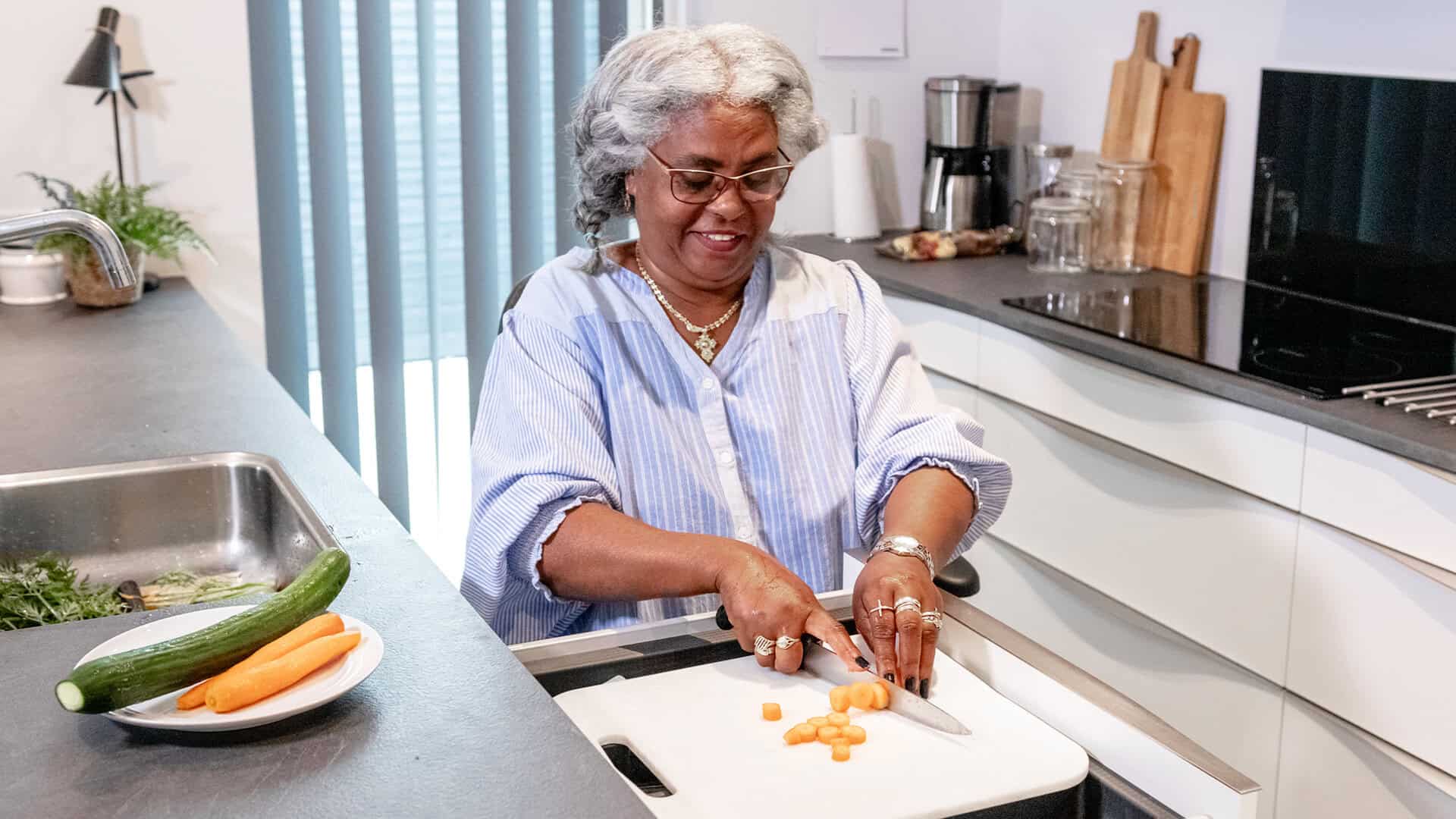
While traditional care home settings are equipped to handle various care needs, these environments sometimes fall short in supporting seniors who prefer to retain independence in their own homes. Ergonomic solutions like the VELA Independence Chair can be pivotal in bridging this gap. This medically approved mobility chair is designed for home use, providing enhanced safety and freedom of movement while seated. Features such as electric height adjustability, stable bases, and ergonomic design assist in daily activities like cooking, dressing, and transferring, effectively reducing the load on informal caregivers. Solutions like the VELA chair represent a practical way to support independent living while ensuring safety and functionality.
Comprehensive care for seniors involves not only core skills and certifications but also specialized training to handle advanced health conditions. As asserted by the American Caregiver Association, combining these skills empowers caregivers to offer exceptional support to seniors, ensuring their well-being and dignity. As tools like VELA chairs and effective training advance, caregiver roles evolve to excel in meeting seniors’ needs in this dynamic caregiving landscape.
Emerging health policy and insurance guidelines are also prioritizing the integration of assistive technologies, enabling Medicaid and other care plans to support technology adoption and community-based care options that encourage aging in place.
Sources: UnitedHealthcare Community & State, Align Senior Care
Ensuring caregivers are well-equipped, both with knowledge and tools, to provide outstanding care is paramount in a society increasingly reliant on these dedicated professionals.