

Updated September 2025: We have updated the article with new insights on smart and AI-enabled assistive devices, integrated home automation, advances in telehealth, personalized ergonomic design, AI-driven health monitoring, regulatory standards, and evolving technology adoption trends in senior care.
Empowering Victoria’s Seniors with Comprehensive Care Solutions
With an aging population, the demand for senior care Victoria services is steadily increasing. As highlighted by the Victoria State Government, the number of individuals requiring assisted living accommodations is projected to more than double by 2040, reaching approximately 2 million residents. This demographic shift underscores the urgent need to explore diverse senior care options and tailored solutions to cater to the specific needs of Victoria’s elderly population.
Understanding Victoria’s Aging Population and Care Needs
Victoria’s demographic trends reveal a growing number of seniors expressing a strong desire to “age in place.” According to Premier Home Care, 77% of seniors prefer to remain in their homes, highlighting a pressing need for home care services. Real-life scenarios often include the necessity for home modifications, such as the installation of handrails or wheelchair ramps, to accommodate mobility changes. These adaptations, coupled with in-home support services, are crucial in assisting seniors to thrive in familiar environments. Recent advancements show that smart home automation—such as remote-controlled lighting, HVAC, and security—now plays a central role in making homes safer and more comfortable for aging residents ButterflyMX. Integration of AI-enabled sensors helps monitor changes in health or mobility status, providing timely alerts and supporting aging in place Harvard Business Review Health Care.
Government-Supported Senior Care Programs in Victoria
The Victorian government offers a variety of programs to support senior care. These include home support programs and My Aged Care assessment services, which play a crucial role in helping seniors maintain their independence. Government-backed initiatives, as seen in successful case studies from the Victorian State Government, provide essential resources and assist seniors in navigating the complexities of aged care. For instance, these programs enable home modifications and offer access to health and community services, ensuring older adults can continue living independently. Recent guidelines also reflect the need for secure technology adoption, including data privacy measures and required staff training for use of digital care systems, ensuring both safety and dignity for residents Rochester Business Journal.
Residential Care Options for Victorian Seniors
For those unable to remain at home, residential aged care services present a viable alternative. Governed and funded by the Commonwealth Government, these are provided by not-for-profit, private, and state government entities. A decision to move into residential care is significant, involving families evaluating options based on factors such as location, cost, and the level of care provided. According to the Australian Institute of Health and Welfare, residential care caters to seniors who require more comprehensive support due to increased medical needs or decreased mobility. Modern residential care increasingly uses smart access controls, AI-powered monitoring, and telemedicine to enhance safety and promote social engagement ButterflyMX,Juniper Communities.
In-Home Support Services: Aging in Place in Victoria
In-home support services are invaluable for the seniors who choose to age in place, offering a myriad of benefits that promote independence and comfort. Services such as meal deliveries, personal care assistance, and house maintenance are indispensable in daily living. Additionally, technology and adaptive equipment are becoming increasingly integral in home care, enhancing the quality of life for seniors. Recent developments include smart and AI-enabled assistive devices, such as wheelchairs and wearables that use adaptive learning, GPS, real-time health monitoring, and voice controls to increase user safety and independence Everything Medical Online. Telehealth and virtual healthcare have also become widely accessible, allowing for remote consultations and support from healthcare providers, which reduces the need for travel and supports continuity of care Caring Data.
Transition to Mobility Solutions at Home
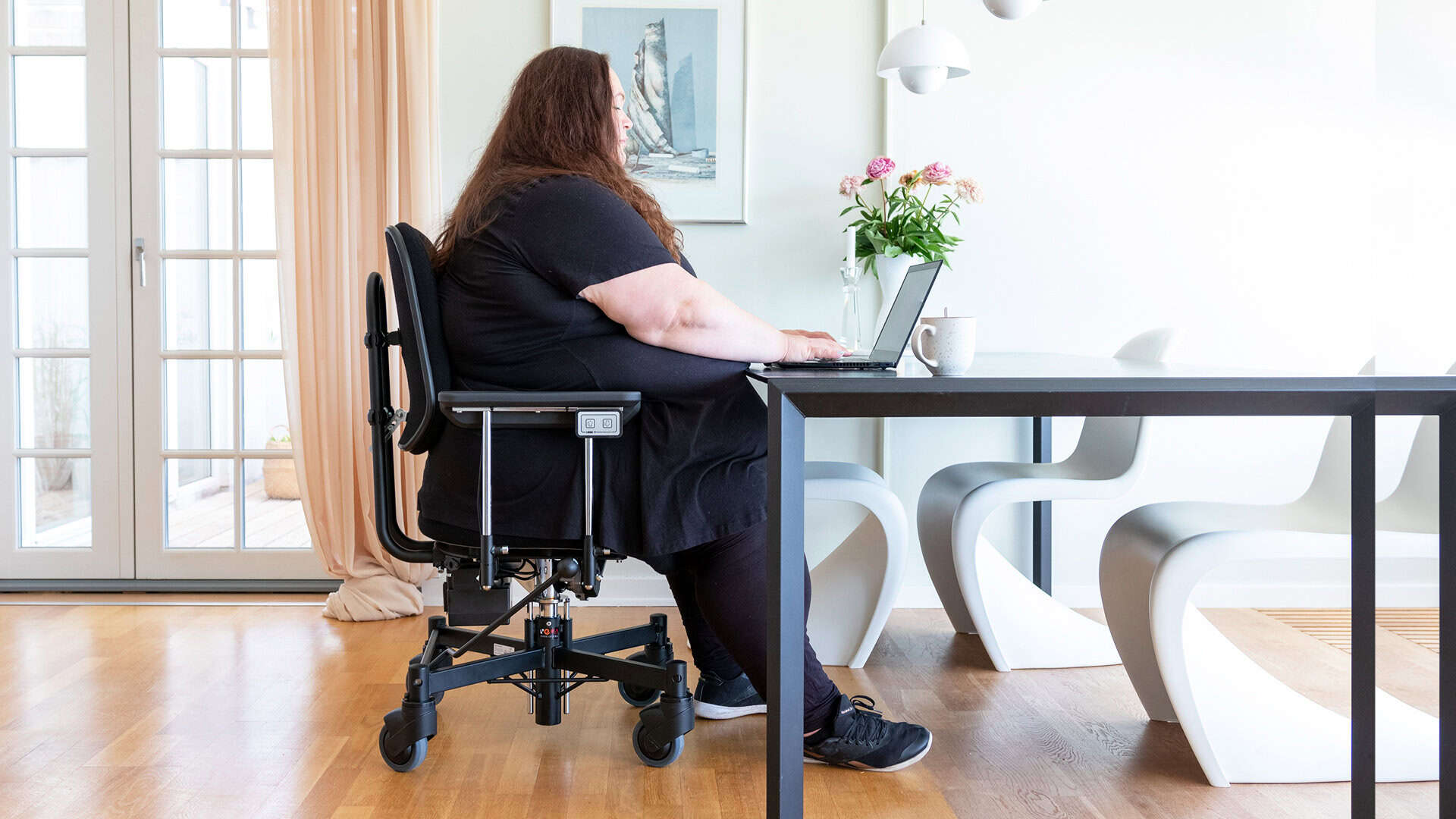
As Victoria’s senior population faces the challenges associated with residential care, the emphasis has naturally shifted towards empowering older adults to remain independent at home as a preferable solution. Integrating practical aids not only supports autonomy but also enhances day-to-day comfort and safety. Among these innovations, the VELA Independence Chair emerges as a medically approved mobility chair engineered for home use. By offering enhanced safety, freedom of movement while seated, and support for daily activities like cooking, dressing, or transferring, VELA helps reduce the physical demands on informal caregivers while supporting seniors who wish to age in place. Modern mobility aids further benefit from remote customization and integration with health monitoring, enabling users and caregivers to tailor support in real-time Everything Medical Online.
How Mobility Solutions Like VELA Make a Difference
Mobility solutions, like the VELA Chair, are pivotal in facilitating elderly independence at home. With features such as a central brake for stability, electric height adjustability, and seamless seated movement, these chairs address crucial safety and energy concerns. New models can offer AI-driven predictive analytics to help detect early signs of health issues, supporting preemptive care and reducing caregiver burden Rochester Business Journal. For seniors, this can mean postponed dependencies on nursing homes, allowing them to engage confidently in daily activities such as cooking and cleaning, thus preserving dignity and autonomy. Product design now places greater emphasis on personalization and ergonomic features, accounting for both practical usability and users’ emotional and psychological readiness Juniper Communities. The innovative mobility solutions for seniors also mitigate caregiver burdens by simplifying complex transfer processes and enhancing energy conservation. While VELA is just one among several practical solutions, its design stands as a testament to how thoughtful adaptations can maintain quality of life within familiar surroundings.