

Updated September 2025: We have updated the article with the latest advances in AI-powered assistive devices, smart mobility aids, wearable health monitors, and smart home technology for seniors. New insights reflect cutting-edge trends in rehabilitation, growing telemedicine acceptance, and the importance of balancing technological innovation with personalized, empathetic care.
Senior Care Options in Wyomissing, PA: Meeting the Needs of Our Elders
Wyomissing, PA, with its serene streets and supportive community, serves as a sanctuary for many seniors. Presently, 29.34% of Wyomissing’s residents are aged 65 and over, significantly surpassing the national average of 16.84%, according to Data USA. This demographic trend underscores a pressing demand for senior care services tailored to the community’s unique characteristics. This article explores the available senior care options in Wyomissing to aid families in making educated decisions concerning their elderly loved ones.
Understanding Wyomissing’s Senior Demographics and Needs
Wyomissing’s demographic data reflects an increasing need for specialized senior care services. The town’s median age is 50.4 years, with women generally living slightly longer than men, shaping particular care necessities and preferences according to World Population Review. With its high median incomes and prevalent health insurance coverage, including Medicare, there’s a clear readiness for premium care services.
Consider Mary, a 75-year-old Wyomissing resident who values her autonomy but requires occasional aid with daily tasks due to arthritis. Such scenarios, common to Wyomissing, exemplify the broader demand for supportive services that help maintain seniors’ quality of life while promoting independent living.
Exploring Senior Care Services Available in Wyomissing
Wyomissing offers a variety of non-medical care services to help seniors live independently yet safely. Available services include:
- Personal Care Assistance: Helps with activities such as bathing, dressing, and medication reminders.
- Companionship Services: Regular visits that mitigate isolation and encourage social involvement.
- Household Support: Assistance with meal preparation and housekeeping.
- Transportation: Offers rides to medical appointments and social gatherings as highlighted by Angels of Care of PA.
An example is Mr. Thompson, who enjoys companionship services from local providers. His interactions have notably enhanced his mental well-being and social life, illustrating the considerable impact such non-medical services can have on seniors.
Comparing Home-Based and Facility-Based Care Options
Families often weigh both home-based care and facility-based services like those offered by assisted living facilities in nearby Reading, PA. Home-based care typically offers flexibility with services provided by in-home aides or visiting nurses, which can be personalized. Conversely, facility-based care offers a structured setting with round-the-clock support ideal for those needing intensive medical care.
Cost is a significant factor in deciding on care options. Home-based care may be more cost-effective for part-time support needs, while facility-based options, though potentially more expensive, provide comprehensive services according to Pennsylvania Demographics.
Reflecting on Mr. and Mrs. Roberts, who moved to an assisted living facility post-Mr. Roberts’s Alzheimer’s diagnosis, this transition—though financially demanding—proved crucial for improved care access and communal activities that enriched their living experience.
Supporting Aging in Place in Wyomissing Homes
The challenges presented by traditional nursing homes emphasize the importance of empowering seniors to remain in their own homes whenever possible. In 2025, advances in assistive technology and smart home integration are redefining ways to support aging in place. AI-powered smart wheelchairs and robotic mobility aids, featuring collision avoidance, real-time health monitoring, and customizable controls, now provide increased safety and independence for seniors with reduced mobility. Lightweight robotic exoskeletons offer notable fall prevention benefits, improving walking stability by up to 45% compared to traditional aids Everything Medical Online, 2025. In addition, wearable health monitors can track vital signs and cognitive health, enabling early detection and intervention to reduce emergency hospitalizations Caring Data, 2025.
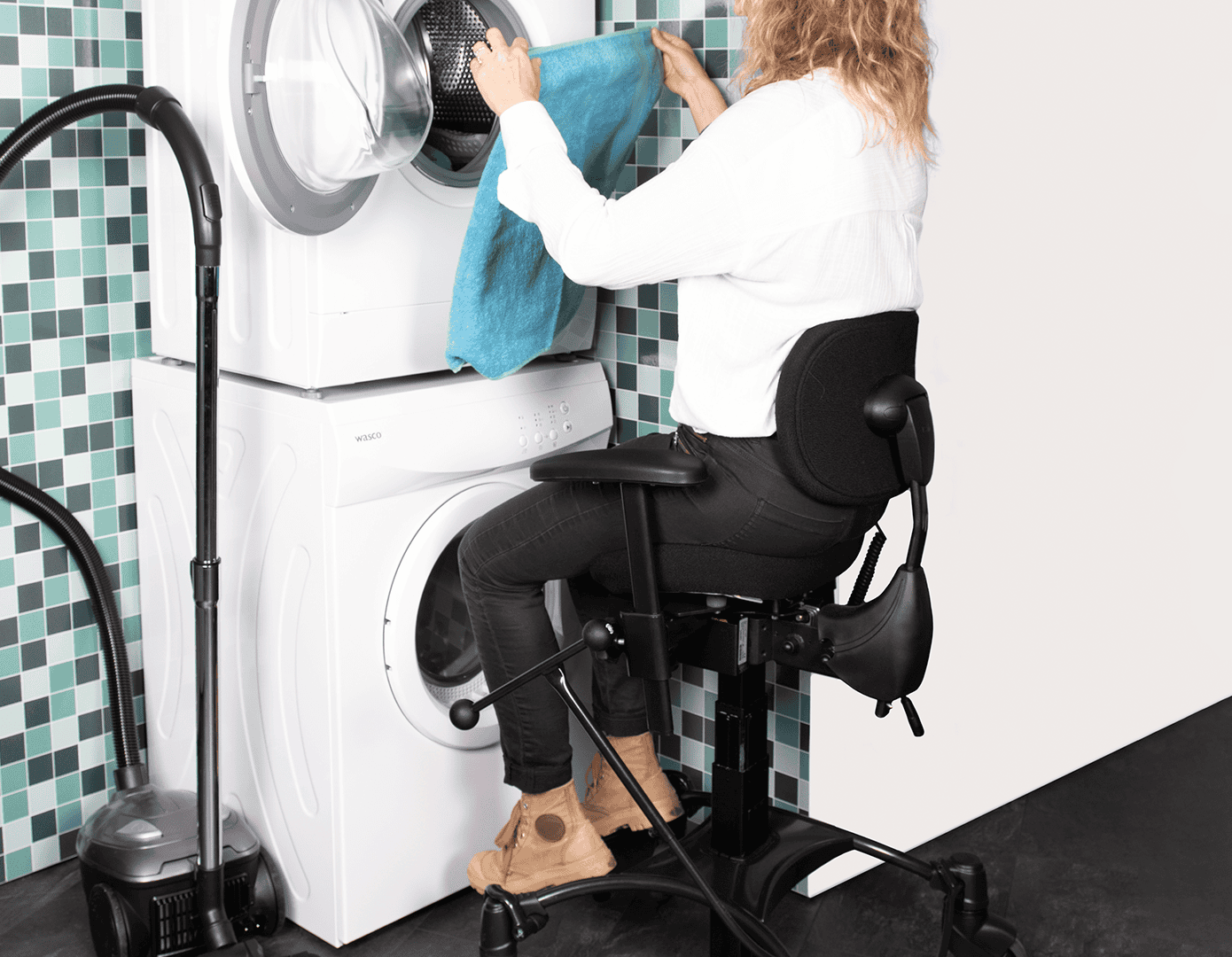
Adaptive furniture and mobility aids like the VELA Independence Chair also offer practical solutions for these needs. VELA is a medically approved mobility chair designed specifically for home use, enhancing safety and providing freedom of movement for daily activities like cooking, dressing, or transferring. In Wyomissing and beyond, smart environments with automated lighting, motion sensors, and voice-activated assistants support safety and promote recovery in senior living spaces Placitacare, 2025. These solutions ease burdens for caregivers and reinforce the proven benefits of aging in place. Discover more about senior chairs for elderly independence that ensure safety and comfort for Wyomissing’s seniors at home.
The growing senior population in Wyomissing necessitates accessible and comprehensive senior care services. Families should evaluate both home-based and facility-based options, considering personal circumstances and the specific needs of their loved ones. Resources from SeniorCare.com provide valuable insights for families navigating these critical decisions.
In conclusion, Wyomissing’s vibrant community extends into its senior care field, offering numerous resources for its elderly citizens. By leveraging both non-medical in-home services and structured facility options, families can align care choices with their priorities and needs. Today, leading experts emphasize that while technology offers tremendous opportunities, successful care combines innovation with an empathetic, personalized approach attuned to a senior’s emotional and cognitive readiness Rochester Business Journal, 2025.
Staying Independent at Home with Support
Solutions like the VELA Independence Chair offer seniors a viable means of maintaining autonomy longer in their own homes by addressing common challenges such as safety, mobility, and energy conservation. Alongside traditional aids, AI-driven rehabilitation technology now includes wearable gait monitors and app-based personalized therapy tools for tracking progress and facilitating early intervention. Smart devices and remote monitoring systems can alert caregivers or medical professionals upon detecting changes in health or movement patterns, supporting timely care and reducing fall risk INTCO Medical, 2025. The VELA mobility chair is equipped with features like a secure central brake, electric height adjustability, and ease of movement while seated, enhancing the ability of older adults to navigate daily tasks independently, such as cooking or dressing, without overstressing themselves or their caregivers. These advances, in combination with telemedicine, wearable sensors, and voice-assisted home controls, help delay the transition to a nursing home, providing seniors with dignity, freedom, and added comfort. The VELA Independence Chair is by no means the only option, but it presents a proven and pragmatic choice for senior care, reinforcing the shift towards more personalized, home-based living solutions. Learn more about helpful chairs for seniors at home for enhancing mobility and quality of life.