

Updated October 2025: We have updated the article with the latest findings on advanced diagnostic and adjunctive therapies in senior chiropractic care, the integration of AI-driven assessments and personalized rehabilitation, the growing multidisciplinary and holistic approach, and innovations in ergonomic assistive devices and patient education to better support seniors’ mobility and quality of life.
Senior Chiropractic Care: Essential Insights for Older Adults
The demand for senior chiropractic care is growing as more older adults seek effective methods for pain management and mobility enhancement. Chiropractic services are particularly beneficial because, as BMC Geriatrics notes, musculoskeletal conditions are the primary reason older adults seek medical attention. With the global population aged 65 and above expected to exceed 600 million by 2025, according to Coherent Market Insights, there is an increasing need for accessible chiropractic solutions.
Understanding Senior Chiropractic Care: What Older Adults Need to Know
Chiropractic care involves manual adjustments of the spine and other body parts to reduce pain and improve function. For seniors, benefits include relief from chronic pain, improved mobility, and enhanced overall well-being. Integrating chiropractic care into a comprehensive health strategy can significantly uplift the quality of life. Recent developments have brought advanced diagnostic tools such as digital X-rays, thermal imaging, motion analysis, and AI-driven assessments to the forefront, making assessments more precise and personalized for seniors’ mobility challenges [1] [5]. Innovative adjunctive therapies like cold laser therapy, spinal decompression, and full-body near-infrared light therapy are increasingly used to reduce inflammation and support healing [2]. A case study from Mastermind Behavior Services detailed an elderly patient who saw significant improvements in daily function and comfort by incorporating chiropractic care into their wellness routine. The trend toward tailored, holistic approaches now encourages collaboration between chiropractors, physical therapists, nutritionists, and mental health professionals, providing truly individualized care plans that enhance outcomes and adherence for seniors [3] [6]. Modern patient education initiatives further empower seniors to engage actively in their treatment decisions and self-care routines [3].
Most Common Conditions Treated by Chiropractors in the Elderly
Elderly patients frequently turn to chiropractic care for conditions like arthritis, osteoarthritis, and chronic back pain. These adjustments do more than just relieve pain; with ergonomic advances and integrated therapies, they can now increase range of motion and enhance quality of life even further. For example, adjunctive therapies such as spinal decompression, cold laser therapy, and near-infrared light therapy, along with ergonomic assistive devices, help reduce pain and help maintain independence [1] [2]. For instance, arthritis sufferers often experience less stiffness and improved mobility following consistent chiropractic adjustments. According to BMC Geriatrics, such conditions are a leading cause of medical visits among seniors, underscoring the importance of chiropractic interventions. Studies show these treatments can also benefit older adults from underserved communities by providing non-invasive, home-based care options [3].
Insurance & Medicare Coverage for Senior Chiropractic Care
Understanding insurance options is crucial for seniors contemplating chiropractic care. Medicare Part B covers spinal manipulation if deemed medically necessary to correct a subluxation by a qualified provider. This coverage can significantly lower out-of-pocket expenses, making chiropractic services more accessible as noted by Medicare.gov. Many seniors have been able to use this coverage to ease the financial burden associated with consistent visits, typically paying a small copayment. Notably, updated clinical guidelines and insurance requirements now specify that continued coverage relies on documented, measurable improvement—often assessed within the first 2 to 4 weeks—using standardized outcome measurement tools such as the PROMIS-29 and the Oswestry Disability Index [4] [6].
Safety Considerations and Best Practices for Elderly Chiropractic Patients
Safety is paramount for seniors receiving chiropractic care, especially those with osteoporosis and arthritis. Best practices involve ensuring practitioners have experience with elderly patients, using gentle techniques, and focusing on individualized care plans. New guidelines call for close monitoring of treatment results and using objective, patient-reported outcome measures to assess progress [6]. Clinics often support these efforts with ergonomic equipment such as extra-wide tables, inclusive design features, and electric lift chairs to aid those with limited mobility. Recent trends also incorporate adjunct non-invasive therapies, like cold laser treatment and light therapy, as part of a holistic care plan [1] [2]. The emergence of holistic and multidisciplinary approaches—including nutritional support, physical therapy, and mental health care—further enhances safety and outcome for seniors [3] [6].
Key Takeaways on Senior Chiropractic Care
Senior chiropractic care plays a crucial role in managing pain and enhancing mobility for older adults. By addressing common conditions such as arthritis and chronic back pain and leveraging diagnostic technologies, holistic multidisciplinary models, and ergonomic solutions, chiropractors provide increasingly effective and tailored services to the elderly. Medicare and insurance policies encourage evidence-based approaches, requiring practitioners to document measurable improvement and use standardized evaluation tools. Ensuring safety through experienced practitioners and supportive equipment like the VELA chair enables seniors to integrate chiropractic care into their health plans effectively. According to BMC Geriatrics, incorporating chiropractic care is a recommended strategy for maintaining health and independence in older age. There is also growing consensus for combining chiropractic adjustments with rehabilitative exercises, nutrition, mental health support, and home-based care for sustained improvements [3].
Supporting Aging in Place: A Practical Option
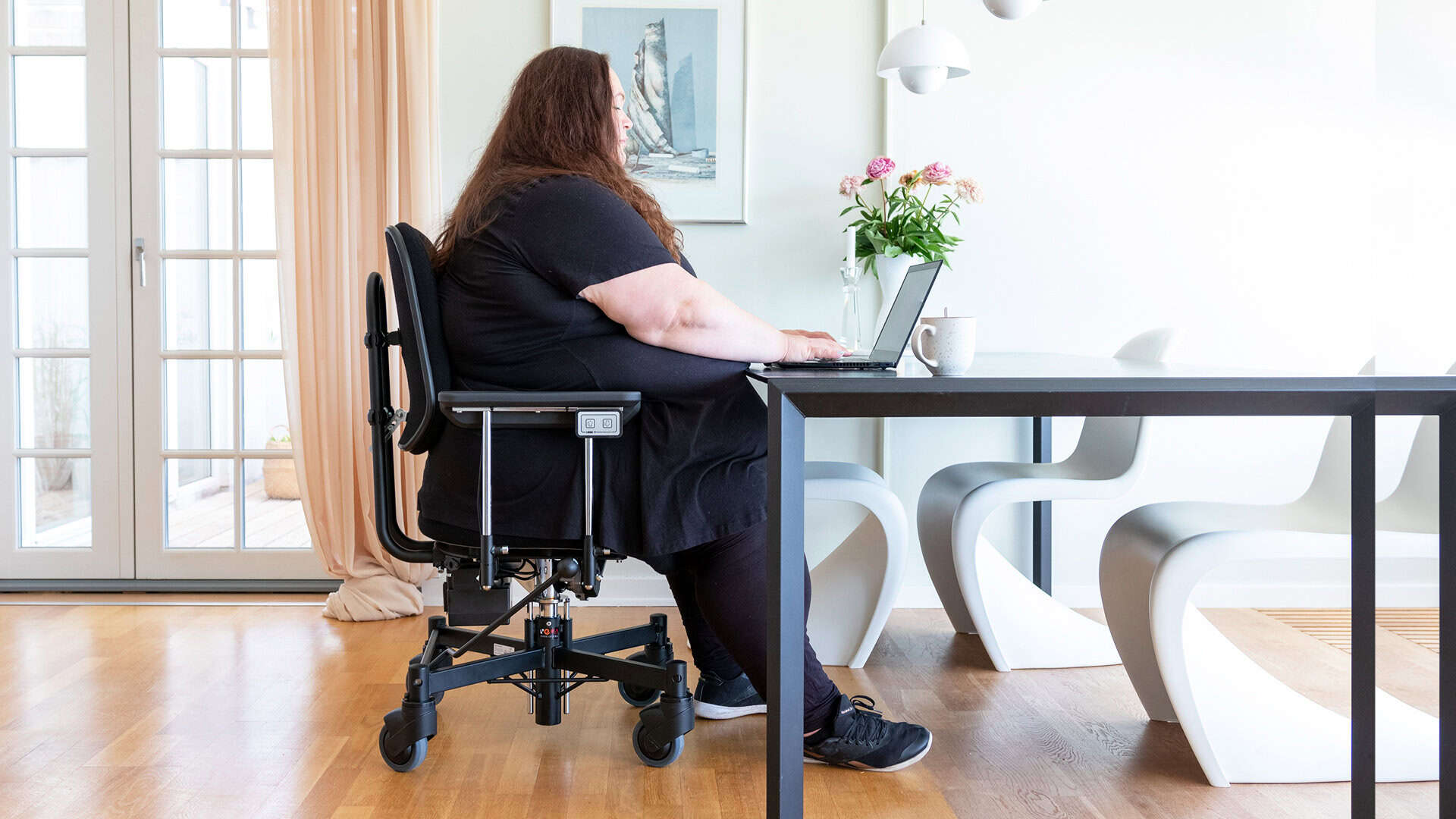
In an era where aging in place is a preferred option for many seniors, ensuring they have the necessary tools and support for safety and independence becomes crucial. Mobility solutions such as the VELA Chairs allow older adults to remain in the comfort of their own homes longer by providing essential features like a central brake for enhanced safety, electric height adjustability for easy transitions, and ease of movement while seated. Such supportive seating not only aids in everyday tasks like cooking and cleaning but also enhances the overall quality of life by relieving stress on caregivers and delaying the need for more intensive care settings, such as nursing homes. While VELA Chairs are not the only solution, they represent a practical and proven option within a comprehensive strategy to support senior independence and dignity.
References:
- Orr Chiropractic Center – The Biggest Chiropractic Care Trends You Can’t Ignore in 2025 (2025) [1]
- Carolinas Chiropractic – The Future of Wellness: 4 Trends in Chiropractic Care for 2025 (2025) [2]
- Chiropractic Economics – Editor’s Letter on 2025 trends (2025) [3]
- Hope Southlake – Why Millennials and Gen Z Are Flocking to Chiropractors (2025) [4]
- Connected Health Centers – The Future of Chiropractic Care: Emerging Trends in 2025 (2025) [5]
- Columbus Chiropractors – Emerging Trends in Chiropractic Care 2025 (2025) [6]
- PMC (2025) – Retrospective study on benefits of chiropractic treatment for older adults from medically underserved communities [3]
- Aetna Clinical Policy Bulletin on Chiropractic Services – Updated medical necessity criteria for chiropractic care emphasizing documented improvement (2025) [4]
- Commonwealth Care Alliance Medical Necessity Guidelines for Chiropractic Services – Emphasis on measurable progress and patient-reported outcomes (2025) [6]