

Updated October 2025: We have updated the article to reflect new findings on the integration of AI-powered technologies, smart mobility aids, telehealth platforms, and globally emerging assistive devices that enhance comfort, safety, and independence for seniors. The update also includes current trends in adaptive and personalized care solutions, as well as recent guidance on regulatory and long-term compatibility considerations for assistive products.
Senior Comfort Care: Enhancing Quality of Life for Elderly Individuals
Supporting aging loved ones with dignity and care is a priority for many families, especially as they approach the later stages of life. Senior comfort care is a specialized approach focusing on improving the quality of life for seniors, whether dealing with chronic illness, terminal conditions, or needing daily support. According to the National Institute on Aging, comfort care is essential for end-of-life medical care, emphasizing physical comfort, emotional and mental well-being, and spiritual needs.
What Is Senior Comfort Care? Core Principles and Services
Senior comfort care prioritizes a person’s quality of life by addressing their comprehensive needs. Its core principles include:
- Physical Comfort: Pain management, symptom control, and support for activities of daily living.
- Emotional Support: Counseling and companionship to combat feelings of loneliness and anxiety.
- Spiritual Care: Provides opportunities for reflection and connection according to individual beliefs.
The National Hospice and Palliative Care Organization emphasizes scenarios where families utilize comfort care, highlighting its effectiveness in supporting complex conditions. For example, a family with an elderly member diagnosed with advanced dementia might benefit from regular home visits by a multidisciplinary care team. This approach eases the patient’s journey significantly and reduces the caregiver’s physical and emotional burden.
Who Needs Senior Comfort Care? Typical Patient Profiles
Senior comfort care is appropriate for individuals with conditions such as dementia, cancer, and heart disease and can be integrated at any stage of these illnesses. An illustrative case from Arcy Healthcare discusses a patient with terminal cancer who experienced a marked improvement in quality of life through consistent and compassionate care interventions. As noted on Medicare.gov, Medicare covers hospice care services if a doctor certifies that a patient is terminally ill, further underscoring the program’s supportive framework in comfort care settings.
What Does Senior Comfort Care Provide? (Physical, Emotional, and Practical Support)
Services under senior comfort care are extensive and customized to meet individual needs:
- Pain Management and Symptom Control: Tailored treatments designed to ease physical discomfort, as highlighted by CaringInfo. Appropriate management can significantly enhance daily living for seniors.
- Mobility and Practical Support: Includes assistance with movements and routine tasks like bathing and dressing, crucial in maintaining autonomy.
- Family and Caregiver Support: Respite services to provide necessary breaks for primary caregivers, which are indispensable in preventing burnout.
Innovative assistive technologies are now redefining the scope and delivery of senior comfort care. Recent advances feature AI-powered predictive analytics and smart behavior tracking in senior living communities, allowing healthcare teams to identify early signs of risks like falls or mobility decline and initiate timely, preventative care interventions.
Smart mobility aids and wheelchairs—equipped with features such as GPS navigation, collision avoidance, real-time health monitoring, smartphone-enabled remote customization, and voice control—significantly elevate user independence and safety. These smart solutions offer greater adaptability to meet the specific needs of each individual user, enhancing both comfort and daily functionality.
Integrated AI assistants and wearable technologies now provide accessible, intuitive support, particularly benefiting those with vision impairments or other disabilities. Such solutions are not limited to stand-alone devices, but work seamlessly with telehealth platforms, enabling continuous health assessment and reducing the need for in-person medical visits, whilst maintaining care quality.
Recent market trends indicate a rapid global expansion of affordable, customizable assistive devices, with innovative models emerging to serve diverse regions and populations. Experts also emphasize the importance of professional justification, long-term usability, and adaptability of equipment, ensuring assistive technologies remain relevant as users’ functional needs evolve (ButterflyMX; Everything Medical Online; NextMSC; LetsEnvision; The Good Life SV; Market.us Media; Tidewave Norway).
How to Arrange and Pay for Senior Comfort Care
Accessing senior comfort care requires understanding eligibility and financial options:
- Eligibility and Funding: Coverage is often available through Medicare and Medicaid, with criteria as noted on Crossroads Hospice & Palliative Care. Initial consultations help identify the most beneficial care path.
- Private Pay: Alternatives when insurance coverage is insufficient, involving detailed financial planning, as highlighted by the California Department of Aging.
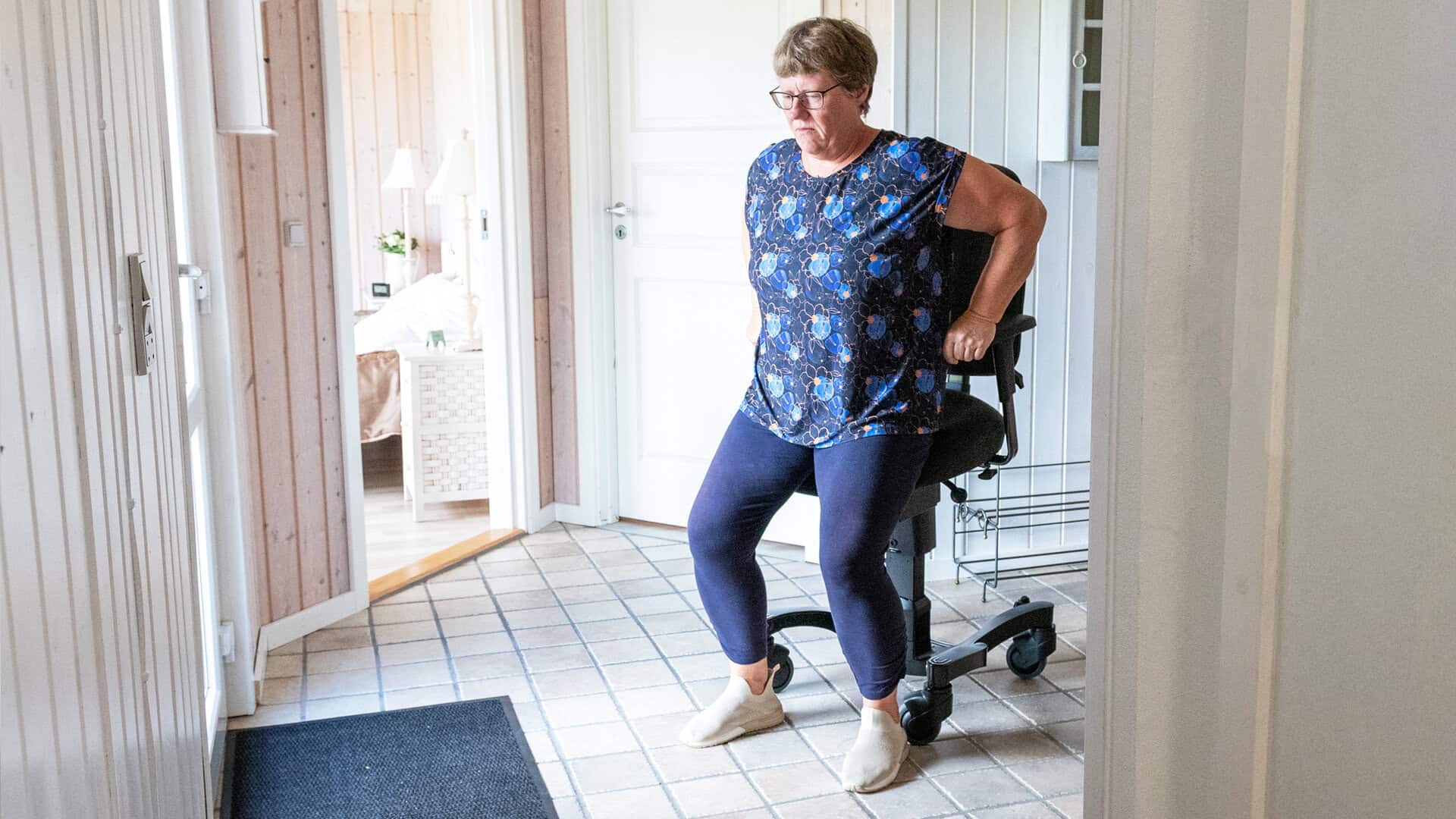
Maintaining independence at home can pose significant challenges for elderly individuals as they age, requiring solutions that help mitigate the need for full-time care in nursing home settings. One practical solution is the VELA Independence Chair, a medically approved mobility chair designed for home use. It provides enhanced safety and freedom of movement while seated, enabling support for daily activities like cooking, dressing, or transferring. The features of the VELA Chair offer comfort and autonomy, significantly easing the caregiver’s responsibilities.
Alongside these options, advanced products such as AI-powered smart glasses, robot-assisted walking devices, and adaptive cognitive health technologies are now part of the expanding field of senior support, further boosting the ability of individuals to live safely and comfortably at home.
How Mobility Solutions Like VELA Make a Difference
Mobility solutions such as the VELA Chair offer support for older adults seeking to remain independent at home, often delaying the need for a move to nursing facilities. Features like a central brake ensure stability, while electric height adjustability and the ease of movement while seated allow for safer transfers and decreased exertion during daily routines. These assistive technologies not only enhance safety but also preserve the dignity and freedom of aging individuals. Living independently at home as a senior becomes a more accessible reality with such solutions, helping to save energy during tasks like cooking and cleaning. While VELA Chairs are a proven option, there are many solutions available to support aging in place and alleviate the physical and emotional burden on caregivers.