

Updated September 2025: We have updated the article with new information on advanced assistive mobility technologies, such as AI-powered wheelchairs and wearable exoskeletons, expanded PACE program availability in Kentucky, the latest 2025-2028 State Plan on Aging, and current expert perspectives on accessibility and adoption trends in supportive devices.
Maximizing independence and care with Kentucky PACE programs
Aging in place is an aspiration shared by many seniors, and programs like the Senior CommUnity Care of Kentucky PACE are designed to make this possible. PACE, which stands for Program of All-Inclusive Care for the Elderly, offers a comprehensive healthcare solution for older adults who prefer staying at home over nursing facilities. According to Kentucky Cabinet for Health and Family Services, PACE programs provide integrated health services to individuals aged 55 and older who require nursing-level care yet wish to continue living at home.
Overview: What is Senior CommUnity Care of Kentucky PACE?
Senior CommUnity Care of Kentucky PACE focuses on enabling seniors to age comfortably in their familiar environments while accessing a full spectrum of healthcare services. At its core, it employs an interdisciplinary care model that includes medical professionals, therapists, and social workers working collaboratively to meet the unique needs of each participant. For example, a 78-year-old with multiple chronic conditions can receive tailored care, significantly reducing the likelihood of hospital stays. According to Voans.org, this approach improves both the quality of life and health outcomes for seniors.
In 2025, Kentucky expanded access to PACE services through new centers in Jefferson County and Northern Kentucky, growing opportunities for seniors to receive care at home and supporting a broader demographic of aging adults who wish to remain in their communities (VOANS PACE Impact Report; Kentucky Medical Association; The Menges Group).
Eligibility: Who qualifies for PACE in Kentucky?
Eligibility for Kentucky PACE requires participants to be at least 55 years old, require a nursing-facility level of care, and be able to live safely in the community with PACE support. Socio-economic conditions also play a role, as many participants are dual-eligible for Medicare and Medicaid. For example, consider a 65-year-old with mobility challenges but a desire to remain at home; PACE would provide the necessary support services to make this possible. The National PACE Association notes that most participants are managing several chronic conditions necessitating comprehensive support.
Services provided: Health, social, and supportive care under PACE
Kentucky PACE offers a robust array of services that include:
- Primary Medical Care
- Social Services
- Various Therapies (physical, occupational)
- Personal and Support Services
- Nutritional Counseling
- Recreational Therapy
- Meals and Transportation
For instance, participants often engage in physical therapy sessions to enhance mobility while receiving nutritional guidance to improve overall health. All these services aim to ensure seniors have a holistic support system that prioritizes their health and wellbeing. The National PACE Association emphasizes the effectiveness of this model, with over 90% of participants continuing to live in their communities.
Cost and insurance: Understanding PACE payment options in Kentucky
Understanding the cost structure of PACE is essential for potential participants and their families. Primarily funded by Medicare and Medicaid, the program is a cost-effective alternative to traditional nursing home care. For example, dual-eligible seniors might have most services covered, whereas private-pay participants could face monthly expenses between $3,000 and $4,000, though these costs often pale in comparison to other full-time care facilities. As described by Kentucky Administrative Regulations, PACE eliminates the fragmented nature of healthcare services, thus reducing overhead and additional out-of-pocket expenses.
Local providers: How to choose the best Senior CommUnity Care program
Choosing the right PACE program in Kentucky involves considering factors such as location, the comprehensiveness of services offered, and participant satisfaction. Local PACE centers provide on-site day programs and therapy services, ensuring direct access to medical care and social activities. Each care plan is personalized, drawing from interdisciplinary teams that adapt to changing health needs. According to participant reviews, satisfaction rates are high, owing to the quality of care and personal attention received (Senior CommUnity Care of Kentucky).
Enhancing independence at home
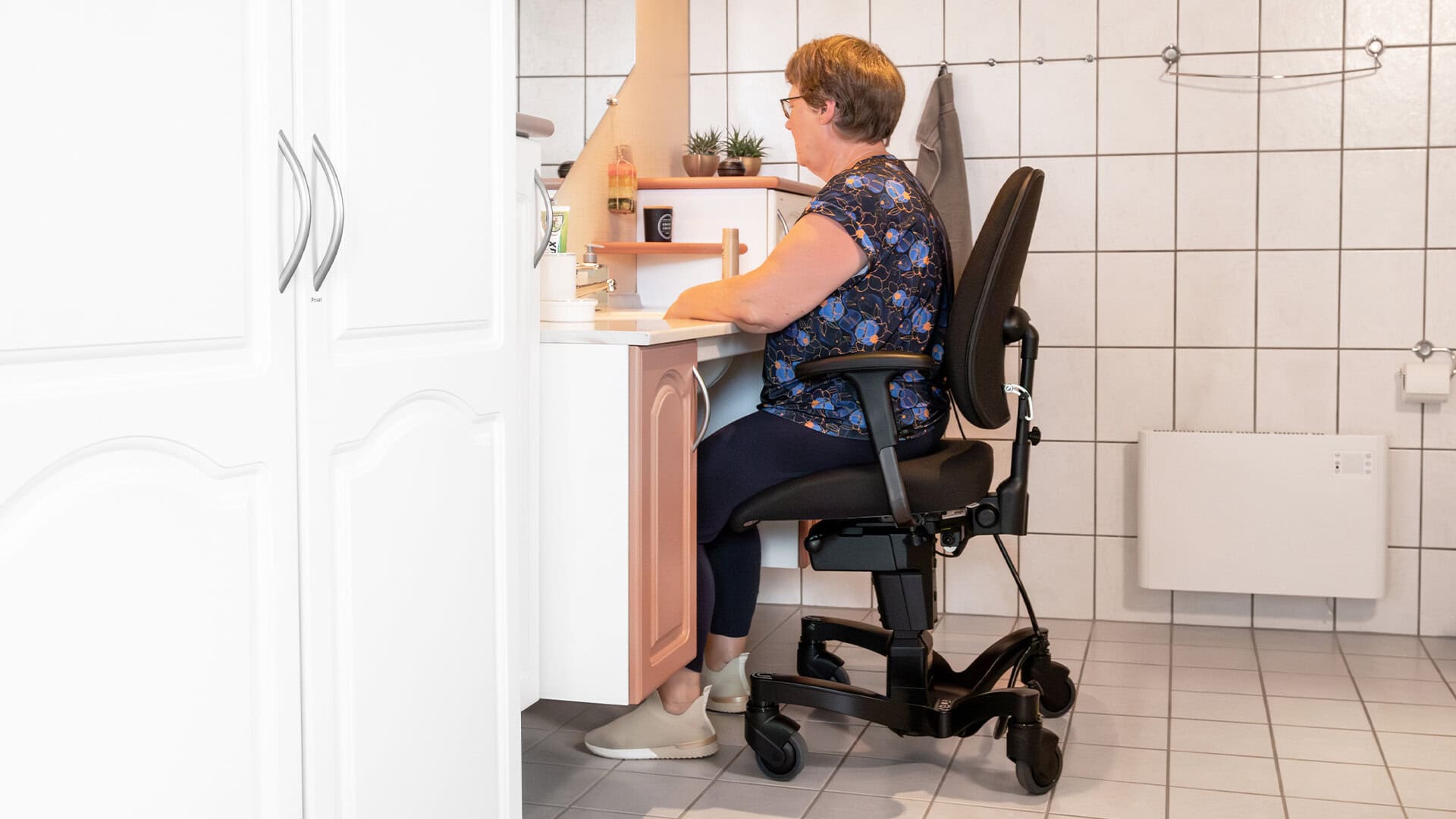
While the PACE program effectively supports seniors wishing to stay at home, the challenges of fully relying on home care alone may still necessitate additional support. For those not ready for nursing home life, high-quality mobility solutions, like VELA chairs, play a crucial role. VELA chairs are medically approved mobility aids designed to fit within the home environment. They offer features such as adjustable height, enhanced safety, and freedom of movement during daily activities like cooking, dressing, or transferring. These benefits not only promote independence but also lighten the burden on informal caregivers by reducing the risk of falls and facilitating safer, easier mobility. Discover more about enhancing home mobility with Mobility Chairs for Independence or Fall Prevention Strategies.
Since May 2025, rapid advancements in assistive mobility technologies have markedly improved options for seniors and caregivers. AI-enabled and sensor-integrated wheelchairs now offer autonomous navigation, better health monitoring functions (such as pressure sore prevention), and improved safety for users with limited mobility (Keyway Medical; AbilityMT.org). Wearable robotic exoskeletons and smart prosthetics with advanced human-machine interfaces, as well as adaptive devices—such as voice-controlled software and ergonomic keyboards—have enhanced both mobility and digital access for elderly users. These innovations facilitate seamless integration of supportive technologies into the daily lives of seniors, which is especially valuable for those aging at home (Scientific Review; Equal Accessibility).
Feedback from seniors and caregivers highlights that while enthusiasm for the latest adaptive technology is high, practical adoption is shaped by funding, insurance coverage, and individual training needs. Nonetheless, the expanding availability of smart mobility aids is seen as a key factor in improving quality of life and prolonging independence for aging adults (AbilityMT.org).
Kentucky’s aging trends: What the data say about local elderly needs
Kentucky reflects national aging trends, with its 65+ population increasing from 13.3% in 2010 to 17% in 2020, as reported by the Kentucky State Data Center. As chronic conditions rise among this demographic, programs like PACE become vital in addressing care needs. Such data underscore the increased importance of integrated care solutions.
In response, Kentucky has enacted its 2025-2028 State Plan on Aging, increasing support and funding for PACE programs and coordinated services such as senior nutrition and caregiver assistance. These statewide strategies reinforce the commitment to enabling seniors to age at home with dignity and access to robust supportive care (Kentucky Cabinet for Health and Family Services).
Navigating state regulations: PACE program standards in Kentucky
Operating under both federal and state regulations, PACE programs must adhere to rigorous standards. The Kentucky Administrative Regulation 907 KAR 3:250 outlines their eligibility and quality benchmarks, providing participants peace of mind regarding their care’s integrity and oversight.
Frequently asked questions: PACE in Kentucky
What are the eligibility criteria for PACE in Kentucky?
Participants must be 55+, require nursing-level care, and be able to live safely in the community with PACE’s aid.
What services can I expect from Senior CommUnity Care of Kentucky?
Comprehensive care including medical, social, supportive services, therapies, and more, tailored to individual needs.
In conclusion, the Senior CommUnity Care of Kentucky PACE program exemplifies a proactive approach to elderly care, blending comprehensive services with cost-effective solutions to support aging in place. With a focus on meeting the complex needs of seniors in the Commonwealth, it stands as a model for integrated healthcare delivery.
Supporting aging in place: A practical option
As more seniors wish to age in their homes, options like VELA chairs have become central to maintaining this independence. VELA chairs are not just seating solutions; they empower users to handle daily tasks with greater ease and security — from cooking to reaching high cupboards — thanks to features like electric height adjustability and a central brake for stability. Such enhancements foster dignity and self-reliance while minimizing wear on energies essential for daily living. By providing a safe environment and reducing the likelihood of falls, the need for a nursing home may be deferred. While VELA is not the only option, its practical, user-friendly design uniquely meets the aging population’s demands for safer and more accessible home life.
References:
- VOANS PACE Impact Report (2025 program launches in Kentucky)
- Innovations in Mobility Aids: Latest Technologies
- Kentucky PACE Program Overview and Enrollment Criteria
- Recent Trends in Assistive Technology for Mobility (Scientific review)
- Current PACE Landscape and Program Census (March 2025)
- Innovations in Assistive Technology – Equal Accessibility LLC
- Assistive Technology Advancements and Smart Wheelchairs – AbilityMT.org
- Kentucky’s Final State Plan on Aging 2025-2027 (PDF)