

Updated January 2026: We have updated the article with new findings on mainstream adoption of remote monitoring wearables for seniors, the integration of AI and ergonomic tools for efficient care, policy-driven site-of-care shifts favoring home-based and team-based primary care, expanded support for healthy aging and mobility, and the ongoing evolution of nurse practitioner-led preventive strategies.
Updated October 2025: We have updated the article with the latest findings on AI-driven assistive technologies, modular ergonomic device design with user co-creation, expanded Medicare Advantage support for telehealth and comprehensive elder care, hybrid virtual/in-person care models, and current workforce developments in senior-focused primary care.
Senior-Focused Primary Care: Enhancing Elderly Healthcare
In recent years, the healthcare model known as senior-focused primary care has emerged as a critical component in serving the rapidly growing elderly population. According to STAT News, the population aged 65 and over is expected to nearly double by 2050, emphasizing the need for specialized care models that significantly reduce hospitalizations and healthcare costs by addressing the unique needs of seniors.
Holistic, team-based care models for seniors
Senior care extends beyond mere medical treatment and thrives on a holistic model that integrates multiple disciplines. Through multidisciplinary teams comprising physicians, nurses, social workers, and pharmacists, seniors receive comprehensive care. For example, the model employed by Greater Good Health shows improved patient outcomes through integration and collaboration, where a coordinated team approach ensures all aspects of a patient’s care are addressed Greater Good Health. Consider a senior managing both diabetes and hypertension, potentially facing complex treatment regimens; a team-based approach minimizes confusion and ensures cohesive care. Current trends reflect an increased reliance on nurse practitioners and interdisciplinary teams, partly in response to primary care physician shortages, to support quality elder care and integrated management of complex conditions [2][4][5][6]. Enhanced models now feature mainstream use of remote monitoring wearables and selected AI-driven tools to enable proactive, team-based care and reduce provider administrative burden, further improving both outcomes and accessibility for seniors [1][2][3][4][6].
Proactive preventive care and chronic disease management
Emphasizing preventive care forms the foundation of senior-focused primary care. As detailed on Access Healthcare, regular wellness visits and preventive screenings are pivotal in early detection and management of chronic illnesses. For instance, timely medication management can prevent emergencies like acute diabetic episodes, showcasing the power of proactive health management. This preventive approach not only leads to significant health benefits but also reduces long-term costs by curbing frequent ER visits. Recent updates underscore accelerated innovation in AI-powered monitoring and assistive devices, including smart walkers and exoskeletons, which utilize sensors and machine learning for early identification of health decline and tailored support. Mainstream adoption of wearable remote monitoring devices for older adults now enables proactive, personalized care beyond clinic settings. Ongoing policy changes, such as increased Medicare Advantage reimbursements and the introduction of new team-based and outcome-focused care models (APCM, ACCESS), further incentivize proactive and virtual care strategies for chronic disease management in seniors [1][2][3][4][6][7].
Understanding and addressing social determinants in senior care
Health is influenced by more than just medical conditions, so senior-focused primary care models integrate assessments of social determinants of health. According to the Advisory, factors such as housing conditions and social support systems play a crucial role in improving overall well-being. For example, a senior connected with community resources for enhanced social interactions might experience improvements in mental health, fostering a better quality of life. New care models highlight that integrating digital health and remote monitoring solutions further supports addressing social needs, connecting seniors to resources while enabling personalized, proactive management of wellbeing. In addition, adoption of user-centered and co-designed assistive technologies ensures these tools are inclusive and optimally meet the evolving needs of elderly users [2][3][5][7]. Behavioral health is now increasingly integrated with primary care, promoting holistic support and contributing to new standards for healthy aging that emphasize both independence and access to tailored mobility aids [2][4][6].
Innovative delivery models for senior-focused primary care
Senior-focused primary care centers offer environments tailored to elderly patients, merging innovative practices with technology to enhance care delivery. PMC highlights how remote monitoring can provide continuous health assessments between visits, allowing for prompt interventions if health metrics deviate. Such technology demonstrates its capacity to deliver exceptional care, exemplified by improvements in health outcomes through e-health service adoption. The latest developments include broader deployment of AI-driven assistive solutions, which learn from user data and enable earlier interventions for issues like mobility and fall risks. Evolving hybrid care models blend in-person visits with telehealth and virtual assessments, expanding access and continuity of care. These innovations are supported by recent Medicare Advantage policy adjustments that ensure telehealth reimbursement at parity with physical visits, making advanced, technology-enabled care more feasible for senior populations [1][2][3][4][5][6]. Policy-driven shifts, including changes to the Physician Fee Schedule and alternative primary care models (such as APCM and ACCESS), now further facilitate the migration to home-based, tech-supported care for aging adults [3][4][6].
Enhancing independence through VELA chairs
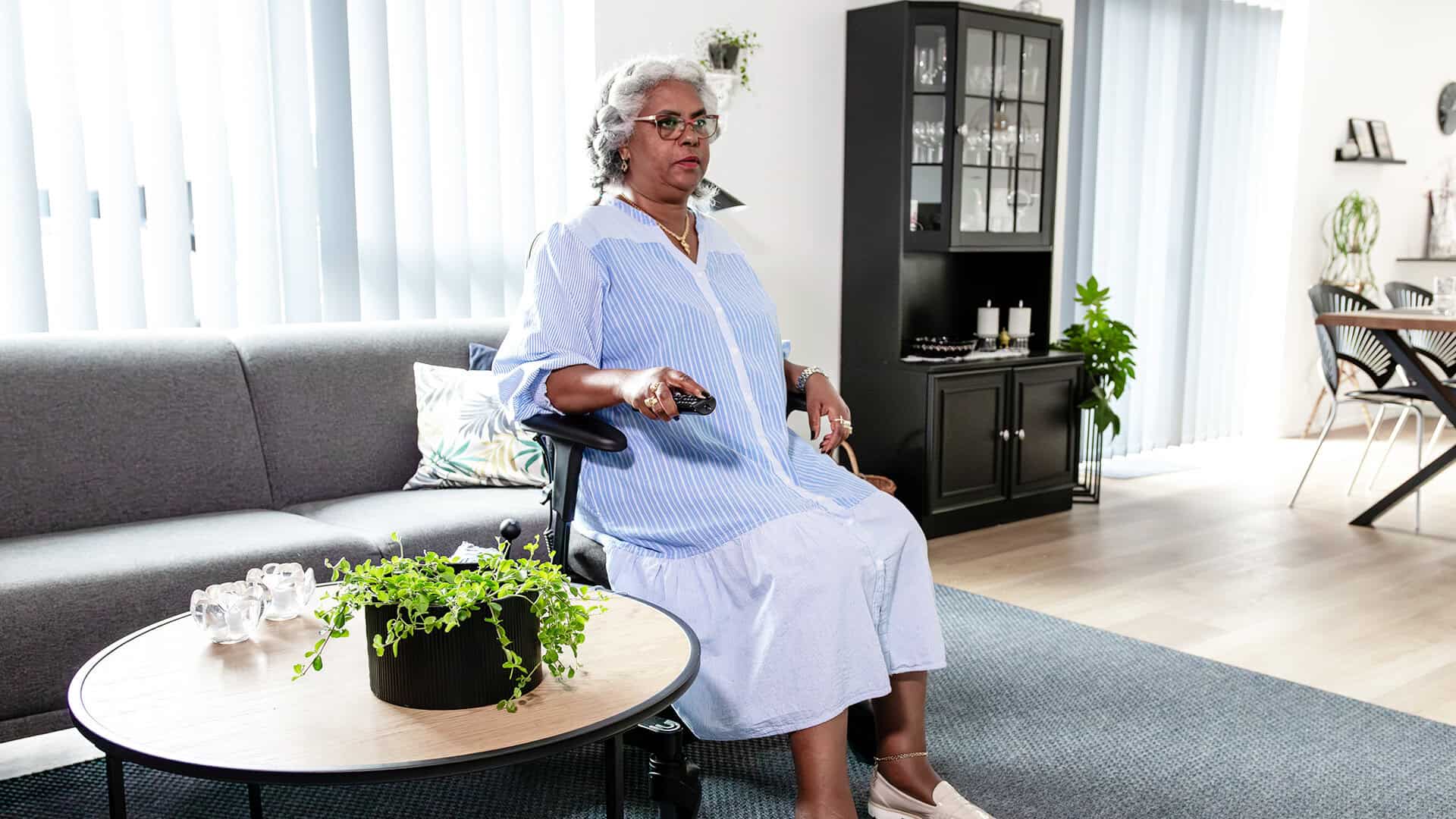
As seniors face challenges that sometimes necessitate nursing home care, maintaining independence at home becomes a cherished goal. Mobility solutions, such as the medically approved VELA Independence Chair, can serve as effective alternatives. Designed for home use, the VELA Chair enhances safety and freedom of movement while seated, facilitating daily activities like cooking, dressing, or transferring. This not only supports seniors in retaining independence but also eases the physical demands on informal caregivers, offering a practical solution to age at home confidently. Updated rehabilitation practices now emphasize adaptive and modular ergonomic designs, with direct input from elderly users shaping development, ensuring products like the VELA Chair better address evolving needs and preferences while easing caregiver burden and boosting autonomy [2][3][7]. Rising demand for ergonomic and co-designed mobility solutions aligns with the healthy aging trend now prioritized in policy and practice [1][2][4].
Staying independent at home with support
Supporting seniors to remain in their own homes longer is increasingly possible with advanced mobility solutions like the VELA Chair. This chair is equipped with essential features such as a central brake for improved safety, electric height adjustability to cater to varied tasks, and ease of movement while seated to support energy conservation. By providing such capabilities, the VELA Chair can significantly delay the need for connecting with a nursing home by keeping daily activities manageable and safe. Increased adoption of advanced assistive devices, enabled by supportive Medicare Advantage reimbursement policies, now complements remote care management and hybrid care models, facilitating comprehensive elder support within home settings [1][2][3][4][5][7]. These developments reflect the shift toward home-based post-acute care, with annual growth in home health services driven by an aging population and enabled through technology-supported case management and mobility support [3][4][6].
- CMS announcement on Medicare Advantage rate increase and expanded care coordination services (April 2025)[1].
- UC Davis Health expert panel report recommending revitalization of primary care with patient-centered and technology-driven solutions (June 2025)[2].
- American Association of Nurse Practitioners report on AI technologies improving patient care, with specific applications in elder care and assistive technology (December 2024, ongoing in 2025)[3].
- WTW healthcare risk report emphasizing virtual care growth, telehealth reimbursement parity, and budget pressures on patient management meds impacting primary care for elders (May 2025)[4].
- Pearl Health analysis on primary care challenges and transformation toward sustainable, technology-enhanced care delivery models (May 2025)[5].
- NCQA insights on the slow pace of value-based care adoption but rising importance of patient-centered and digital quality metrics[6].
- Glimpse healthcare trends overview on aging demographics, chronic illness management, and a shift to sustained coordinated elder care[7].
- CMS Medicare Advantage Rate Increase and Primary Care Policy Updates (April 2025): https://www2.hl.com/pdf/2025/primary-care-sector-spotlight-spring-2025.pdf
- American Association of Nurse Practitioners on AI in Primary and Elder Care: https://www.aanp.org/news-feed/aanp-spotlights-five-critical-health-care-trends-to-watch-in-2025
- Athenahealth’s Healthcare Trends Including Telehealth and Urgent Care Growth 2025: https://www.athenahealth.com/resources/blog/healthcare-predictions-for-2025
- WTW Report on Healthcare Risks Including Virtual Care Expansion and Workforce Challenges: https://www.wtwco.com/en-us/insights/2025/05/top-risks-in-healthcare-for-2025-26
- National Committee for Quality Assurance (NCQA) on Data Sharing and Value-Based Care Trends: https://www.ncqa.org/blog/health-care-trends-to-watch-in-2025/
- National Academies of Sciences, Engineering, and Medicine (NASEM) on Primary Care Payment and Access Policies: https://nam.edu/perspectives/implementing-high-quality-primary-care-in-2025-key-policy-priorities/
- AANP Top Five Health Care Trends for 2026: https://www.aanp.org/news-feed/top-five-health-care-trends-for-2026-how-new-technology-is-transforming-patient-care
- PR Newswire/AANP Trends 2026: https://www.prnewswire.com/news-releases/top-five-health-care-trends-for-2026-how-new-technology-is-transforming-patient-care-302653927.html
- Elation Health 2026 Policy Update: https://www.elationhealth.com/resources/home/2026-health-policy-update-what-primary-care-practices-need-to-know-to-succeed
- McKinsey US Healthcare 2026 Outlook: https://www.mckinsey.com/industries/healthcare/our-insights/what-to-expect-in-us-healthcare
- NCQA 2026 Trends to Watch: https://www.ncqa.org/blog/ncqas-2026-trends-to-watch/