

Updated January 2026: We have updated the article with new findings on AI-driven assistive technologies, smart mobility aids with advanced sensors, IoT and telehealth-enabled devices, 3D-printed customization, and innovations debuted at CES 2026, such as AI care companions and all-terrain power chairs, to reflect the latest trends and solutions in senior health care and independent living.
Updated September 2025: We have updated the article with new insights on AI-integrated assistive technology, advanced smart home safety features, the latest in wearable devices, enhanced cognitive health interventions, and emerging regulatory and equity considerations in senior health care.
Senior Health Primary Care: Challenges and Innovations
Adults aged 65 and older comprise 17% of the U.S. population, yet they account for 37% of all healthcare expenditures. According to America’s Health Rankings 2025 Senior Report, this demographic is expected to reach 82 million by 2050, underscoring the critical need for enhancements in senior health primary care.
Understanding the Current Landscape of Senior Health Primary Care
The field of senior health care encounters significant hurdles, particularly regarding specialized care availability. A stark challenge is the inadequate size of the geriatric workforce. With approximately 7,400 board-certified geriatricians nationwide and significantly fewer in rural areas, access to essential geriatric care is strained. A real-world tale published in Business Insider recounts a senior citizen living in rural America, highlighting the difficulty in securing timely appointments with specialists due to these regional healthcare disparities.
On a positive note, the percentage of seniors reporting a personal healthcare provider has increased slightly, reflecting incremental progress. However, the gap between demand and resource availability remains large, as evidenced by prolonged wait times for appointments which are a persistent obstacle.
Financial and Resource Allocation in Senior Health Care
Financial constraints heavily influence senior healthcare. The Centers for Medicare & Medicaid Services (CMS) anticipate that national health expenditure growth will exceed GDP growth over the next decade. This situation puts substantial pressure on systems like Medicare, which must cope with the rising number of polychronic patients—those managing multiple chronic conditions simultaneously. Illustrative of these challenges is a narrative of a senior managing diabetes, hypertension, and arthritis while navigating Medicare’s complexities, indicating a pressing need for fiscal reform and resource optimization.
Promising Developments and Innovations in Senior Care
Technological advancements are offering transformative possibilities in response to the increasing demand for senior care. E-health technologies, while not universally adopted, have significant potential to improve healthcare efficiency and accessibility. Additionally, there’s burgeoning interest in supporting seniors’ preferences to age in place. Innovations like telehealth are particularly beneficial, allowing for routine management of conditions such as diabetes without frequent clinic visits. This practical application is backed by America’s Health Rankings, which notes the technological shift toward remote monitoring and care.
Recent progress in assistive technology is now driven by the integration of artificial intelligence (AI), advanced sensors, and Internet of Things (IoT) connectivity. AI-enabled devices adapt in real time to user needs, offering personalized support for mobility and cognitive challenges. Smart mobility aids—such as wheelchairs, walkers, and robotic prosthetics—feature adaptive speed control, obstacle avoidance, and health and safety monitoring tailored to the user’s behavior and environment. Voice-activated controls and IoT integration have become standard features, supporting users with limited dexterity and enabling seamless interaction with other connected devices in the home. Wearable technologies, including advanced prosthetics with robotics and AI, wearable speech converters, and glasses that convert speech to text for those with hearing impairments, emphasize not only functionality, but also ergonomic comfort and user confidence. Wearable trackers now also sync with aids to monitor daily patterns and detect irregularities that may signal health concerns.
Predictive health monitoring with AI-driven analytics now enables early intervention and better chronic disease management. These developments extend beyond static tools by offering dynamic, context-aware support for daily life.
University of Florida Online (2025); UC Davis Health (2025); The Good Life Silicon Valley (2025); PubMed Central (2025); Let’s Envision Blog (2025); Connsense Report (2025); LeadingAge (2026); Mobility Management (2026); ADvancing States (2026); AgeInPlaceTech (2026)
Smart home and safety technologies have also made significant progress. Recent advances include telehealth-enabled durable medical equipment (DME) for remote monitoring, IoT/smart home compatibility supporting aging in place, and home safety tech with caregiver alerts. Modern systems offer integrated solutions for fall prevention—such as automatic lighting, real-time motion analytics, and sensors that communicate with caregivers or family remotely—as well as remote emergency alerts and secure monitoring (including video doorbells and intelligent smoke/CO detectors). 3D-printed custom devices are increasingly available for tailored ergonomic support and optimized fit.
The latest developments from events like CES 2026 include AI care companions (such as Luna), all-terrain power chairs (like the XSTO), and accessibility-focused platforms (MaaS-Bridge, SEERU) that advance independence and connectivity for older adults. Collectively, these innovations enable seniors to live independently and safely, supporting aging in place and reducing the need for institutional care.
The increasing use of AI-powered home assistants and integrated platforms shifts support from fragmented apps to holistic, intuitive real-time assistants, especially benefitting those with sensory impairments.
University of Florida Online (2025); UC Davis Health (2025); PubMed Central (2025); LeadingAge (2026); Mobility Management (2026); AgeInPlaceTech (2026)
In cognitive and rehabilitation support, innovative brain-training tools leveraging AI and gamified exercises help reduce cognitive decline and support behavioral symptom management in dementia. Personalized music therapy devices and digital platforms enable tailored, evidence-based cognitive engagement with measurable outcomes.
Regulatory practices are evolving to encourage safe, ethical, and equitable adoption of assistive technology, with an emphasis on privacy, digital literacy, and universal access regardless of socioeconomic status.
The Good Life Silicon Valley (2025); PubMed Central (2025); Assistive.org (2025)
Enhancing Senior Mobility with VELA Chairs
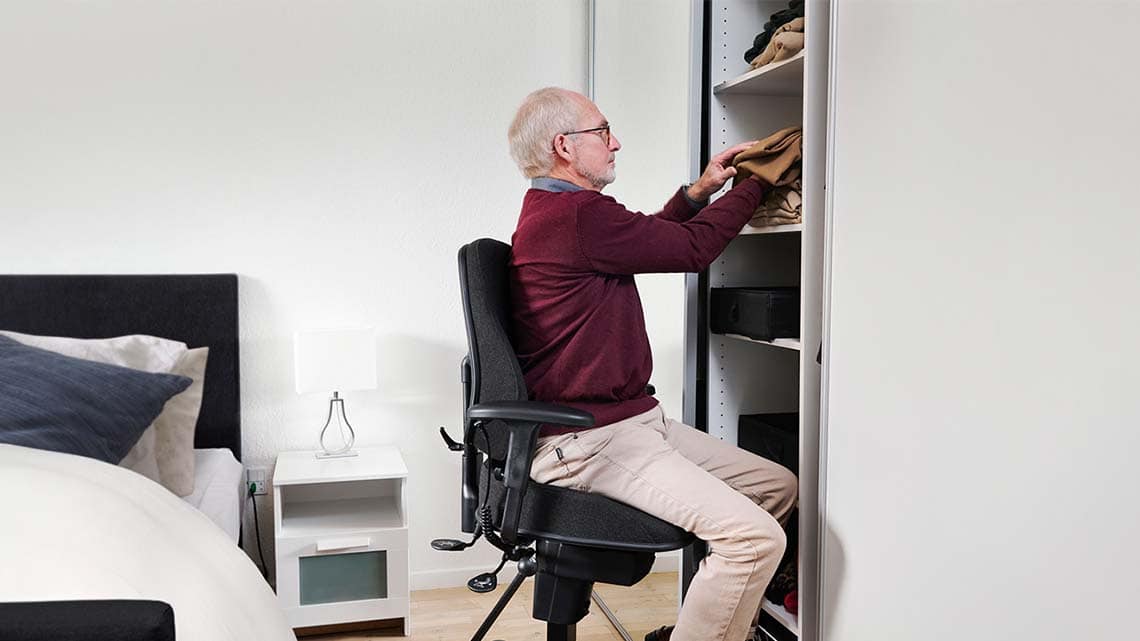
Mobility is crucial for senior independence and quality of life. VELA Chairs significantly enhance mobility by reducing fall risks through their ergonomic designs and mobility features. They empower seniors to maintain safety and independence in their homes. An inspiring scenario involves a senior utilizing a VELA chair for home-based rehabilitation, gradually regaining strength and navigating daily tasks safely.
Integrating products like the VELA Independence Chair into home environments represents an effective solution to the challenges posed by nursing homes. These medically approved mobility chairs are designed to provide seniors with enhanced security and facilitate freedom of movement while seated. Their adjustable features support daily activities such as cooking, dressing, or transitioning between spaces, significantly reducing the burden on informal caregivers and enabling older adults to remain independent longer in their own homes.
Current ergonomic and adaptive product design also emphasizes lighter, customizable, and user-friendly assistive devices that improve comfort and reduce caregiver strain. The trend toward 3D-printed custom devices further enhances fit and ergonomic support, offering seniors more personalized solutions than ever before. Adaptive clothing lines further address mobility and daily comfort needs, complementing advances in mobility equipment.
Amada Senior Care (2025); Silverts Giving Care (2025); LeadingAge (2026); Mobility Management (2026)
Exploring Alternatives to Nursing Homes
With the increasing desire among seniors to age in their own homes, mobility solutions such as the VELA Independence Chair become crucial. These chairs offer features like electric height adjustability, ergonomic support, and central brakes to enhance safety, making daily activities like cooking and dressing more manageable. This setup not only helps seniors conserve energy and maintain dignity by providing ease of movement but also reduces the need for constant care assistance. By fostering independence in a home environment, such innovations can delay or even eliminate the need for a nursing home, offering a practical approach to senior care. VELA is one proven solution among many, enabling seniors to age in place with dignity and safety. The rapid adoption of smart home safety devices, telehealth-enabled monitoring, voice-activated environmental controls, and remote caregiver alert systems further supports seniors’ ability to remain safely at home, while new AI care companions and advanced power chairs showcased at CES 2026 highlight the future direction for independent living.
University of Florida Aging Institute (2025); AssistiveTechHub (2025); LeadingAge (2026); Mobility Management (2026); AgeInPlaceTech (2026)