

Updated September 2025: We have updated the article with new advancements in AI-driven assistive technologies, smart wheelchairs, and ergonomic design for senior independence. Details about the proposed 2025 Medicare expansion for in-home care, as well as emerging trends in personalized care and senior living models, are also included.
Senior Home Care in Louisville, KY: Addressing the Growing Need
With Louisville’s senior population set to increase by 40% by 2050, there is an urgent need for comprehensive home care options. The AARP Age-Friendly Louisville Profile emphasizes the importance of finding innovative solutions to meet these demands. This article explores the services available for senior home care in Louisville, KY, and discusses the associated challenges and potential solutions.
Understanding Senior Home Care in Louisville, KY: Available Services
Louisville offers a broad spectrum of senior care services, both non-medical and medical. Providers like Right at Home Louisville deliver crucial services including companion care, personal care, and specialized care tailored to individual needs. Right at Home Louisville has been praised for its compassionate, professional care, which is often reflected in customer testimonials from grateful families.
The Kentucky 2025-2028 State Plan on Aging also highlights the availability of a diverse range of service providers addressing the growing needs of seniors.
Demographic Trends and Health Challenges Facing Louisville’s Elderly
Approximately 15% of Louisville’s population is over 60, facing health challenges such as heart disease and diabetes. According to America’s Health Rankings – Kentucky Senior Report, there are high rates of food insecurity and fixed incomes among Kentucky’s seniors, complicating affordability and access to care. Managing chronic illnesses on a restricted budget often forces seniors to prioritize basic needs over healthcare, requiring strategic navigation of available resources.
How Much Does Senior Home Care Cost in Louisville, KY?
The cost of senior home care is a critical consideration. According to Care.com, home care in Louisville costs about $20.66 per hour, with monthly expenses for substantial care hours reaching around $2,686. This pricing is aligned with state averages but is competitive on a national scale. Data from SeniorLiving.org underscores the importance of careful budget planning when considering senior care.
Medicaid, Medicare, and the Role of State & Local Programs
Navigating financial aspects involves understanding funding options like Medicaid and Medicare. Programs such as PACE offer seniors the ability to age at home while managing care costs, as noted in the Final State Plan on Aging 2025-2027. For example, seniors using Medicaid to access necessary home care services highlight the vital role these programs play in alleviating financial burdens on families.
Significantly, a major Medicare expansion proposal in 2025 is set to subsidize a broader range of in-home care services, including home modifications and paid support for family caregivers, further improving access and aiming to reduce rates of institutionalization for older adults. This policy initiative is expected to make quality home-based care more financially accessible in coming years NCHStats, 2025.
Seamless Transition to Independence Solutions
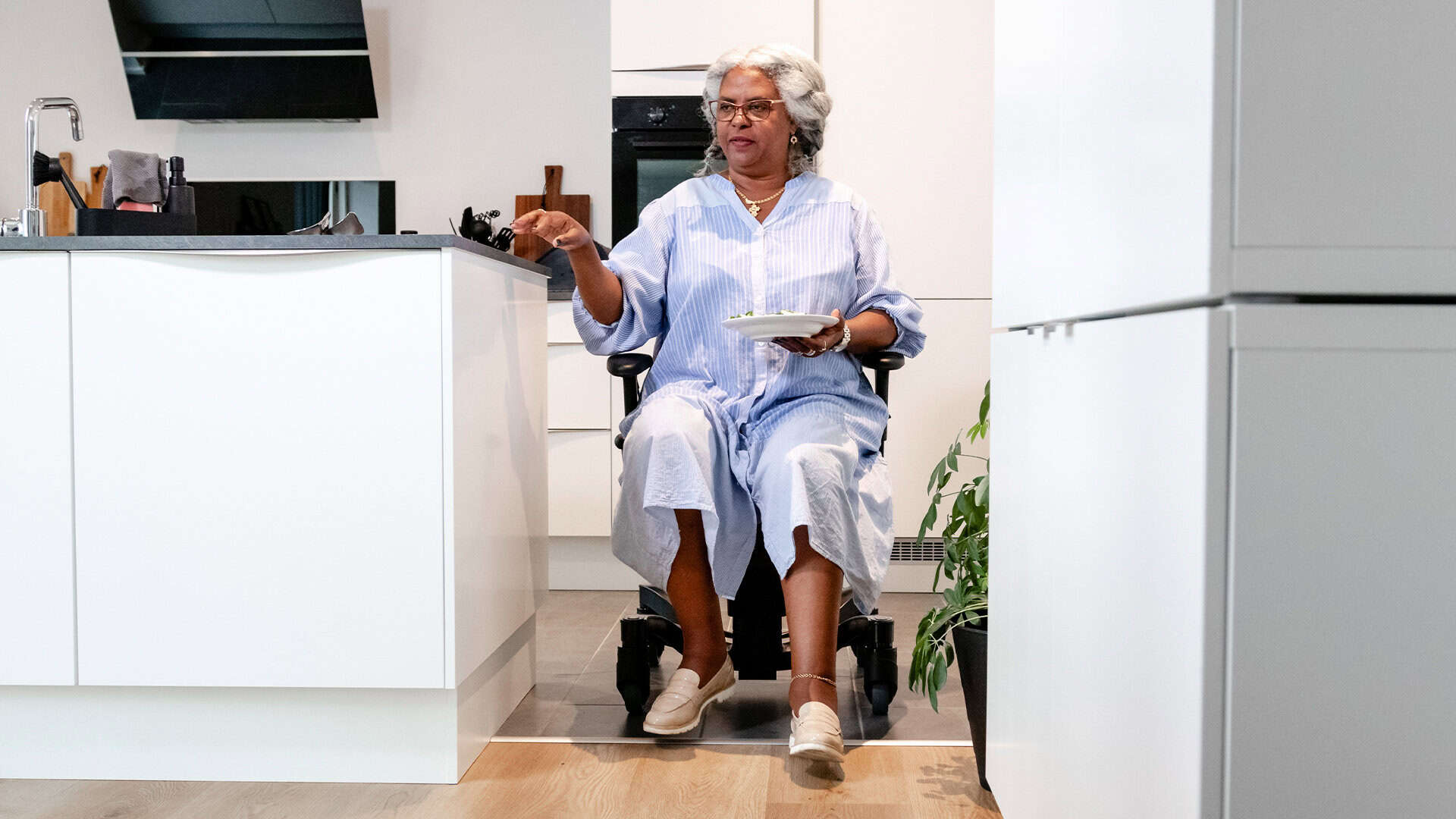
As the demands on nursing homes increase, solutions that enable older adults to remain comfortably in their own homes become invaluable. Among these, the VELA Independence Chair stands out as a medically approved mobility chair designed specifically for home use. It enhances safety and freedom of movement during seated activities, supporting daily endeavors like cooking, dressing, and transferring, while simultaneously easing the burden on informal caregivers. The VELA chair represents a practical option to facilitate independence and can significantly reduce the need for more intensive care settings.
Innovations in Assistive Technology: Empowering Independence
The landscape of assistive devices now features advanced technologies designed to maximize independence and safety for seniors and individuals with disabilities. Recent breakthroughs include AI-powered smart glasses that provide real-time environmental feedback for those with visual and sensory impairments, and brain-computer interface (BCI) prosthetics, allowing for more intuitive control of artificial limbs Think Beyond The Chair, 2025 Ability MT, 2025. Smart wheelchairs now offer autonomous navigation to safely maneuver in homes and public spaces, along with pressure monitoring systems that increase comfort and reduce the risk of pressure injuries NIH/NLM, 2025.
Ergonomically designed equipment and adaptive environments further support user capabilities by integrating physical and digital interfaces, increasing comfort, and enabling shared control between users and caregivers ATIA, 2025.
Supporting Aging in Place: A Practical Option
Mobility solutions such as the VELA Independence Chair enable seniors to continue living independently at home, delaying or avoiding the transition to nursing homes. These chairs are equipped with features that address common elderly care issues like safety and ease of movement. For example, the central brake system enhances stability, and the electric height adjustability makes transferring in and out more manageable. Reducing Fall Risks in Seniors and maintaining a sense of dignity and freedom are crucial.
Today’s options for aging in place are enhanced by a trend toward personalized, flexible care plans and the integration of wellness-focused community programs. These programs incorporate regular monitoring, dynamic adjustment, and support for social engagement, all of which help address the needs of seniors, including those aging alone Align Senior Care, 2025 Bridge Senior Living, 2025 SFCS Architects, 2025.
Imagine the difference: Seniors can engage in daily activities such as cooking or relaxing without fear of falling or over-exerting themselves. Enhancing Home Mobility with such practical solutions ensures that while nursing homes serve those in need of more comprehensive care, others can thrive in the familiarity and comfort of their homes. While VELA is not the only choice, it exemplifies a proven and accessible means to uphold quality of life for seniors at home.