

Updated January 2026: We have updated the article with the latest findings on AI-powered personalized care, smart home and wearable mobility technologies, hybrid in-person/virtual care models, holistic wellness planning for seniors, ergonomic community design, and evolving regulatory and workforce trends for elderly home care.
The Future of Elderly Care: Meeting the Growing Demand for Home-Based Solutions
As the population ages, the senior home care industry is poised for significant growth to meet the escalating needs of elderly individuals wishing to age in place. According to The National Council on Aging, there were 57.8 million Americans aged 65+ in 2022, a number expected to surge to 73 million by 2030 and reach approximately 78.3 million by 2040. This demographic shift underscores an urgent need for home care services that can address both the medical and personal requirements of this expanding segment.
Understanding the Drivers of Senior Home Care Industry Growth
The growth of the senior home care industry is driven by several key factors, chiefly the demographic boom of the aging baby boomer generation. According to Premier Health Care, Inc., 70% of Americans aged 65 and older will require home care at some point in their lives. Consider the example of John, a 72-year-old managing both diabetes and arthritis. His need for consistent home care allows for regular medical oversight, including blood sugar monitoring and physical exercises tailored to alleviate joint pain, thus providing a better quality of life without the disruption of frequent hospital visits.
Demographic Shifts and Their Impact on Elderly Care Demand
Not only is the population aging, but it is also becoming more diverse. The U.S. Census Bureau projects that by 2030, adults aged 65+ will constitute 21% of the U.S. population. This shift has significant implications for culturally competent care, especially among the “forgotten middle,” a demographic that falls between qualification for subsidized care and the affordability of luxury options. For instance, care plans might include bilingual caregivers or cultural dietary accommodations to meet the varied needs of a diverse senior community.
Key Market Trends: Technology, Workforce, and Value-Based Care
The landscape of senior home care is rapidly evolving with technological advancements reshaping service delivery. Since 2025, AI and digital integration have become core to daily practice: AI tools now provide personalized care through health forecasting, bias-free caregiver matching, predictive analytics to monitor changes in mobility, and flexible scheduling to more efficiently deploy scarce workforce resources Home Health Care News. AI-driven mobility aids, including smart wheelchairs and walkers, harness real-time vital sign tracking, obstacle detection, terrain adaptation, and autonomous navigation, directly supporting both safety and independence for seniors facing mobility challenges AssistiveTechHub.com.auKeywayMedical.com.
Advances since 2025 increasingly emphasize wearables for continuous, real-time rehabilitation monitoring, as well as smart home technologies like automated lighting, thermostats, and voice-activated devices for enhanced accessibility. For example, smart glasses and wearable devices now integrate object recognition, text-to-speech, and vital health data collection, helping tailor holistic wellness plans that include both medical and emotional support for users with reduced mobility ThinkBeyondTheChair.orgNAC Broward. Robotic exoskeletons and wearable robotics are increasingly available, supporting both physical and cognitive rehabilitation in home settings KeywayMedical.com.
The trend toward inclusive and ergonomic design extends beyond devices to the overall environment. Communities increasingly introduce larger senior living units, abundant natural light, and flexible spaces—helping relieve mobility challenges and supporting aging-in-place initiatives. These changes are both a response to user feedback and informed by ongoing research demonstrating the positive impact on mental health and daily function Provider Magazine.
Holistic and hyper-personalized wellness plans are gaining ground, combining physical, social, and emotional resources into customized care strategies. Rehabilitation can now integrate SDOH (Social Determinants of Health), dementia-specific training, and resort-style amenities to create well-rounded, effective environments. Hybrid in-person/virtual models are increasingly adopted, with caregivers utilizing digital monitoring, AI-driven alerting, and virtual check-ins alongside scheduled home visits. This hybrid approach extends limited caregiver resources, while meeting the unique needs of seniors with reduced mobility McKinsey & CompanyHome Health Care News.
At the workforce level, AI now plays a vital role in matching caregivers to users and supporting retention through targeted engagement and workflow innovations. Flexible staffing models backed by technology are helping organizations address persistent shortages. Regulatory updates, including “One Big Beautiful Bill,” signal a shift to value-based care, expanding protections and funding for disability support and reinforcing the integration of digital health solutions. These trends indicate continued robust market growth in the coming years Provider MagazineHome Health Care NewsMcKinsey & Company.
Assistive Technology and Home Safety Solutions for Seniors
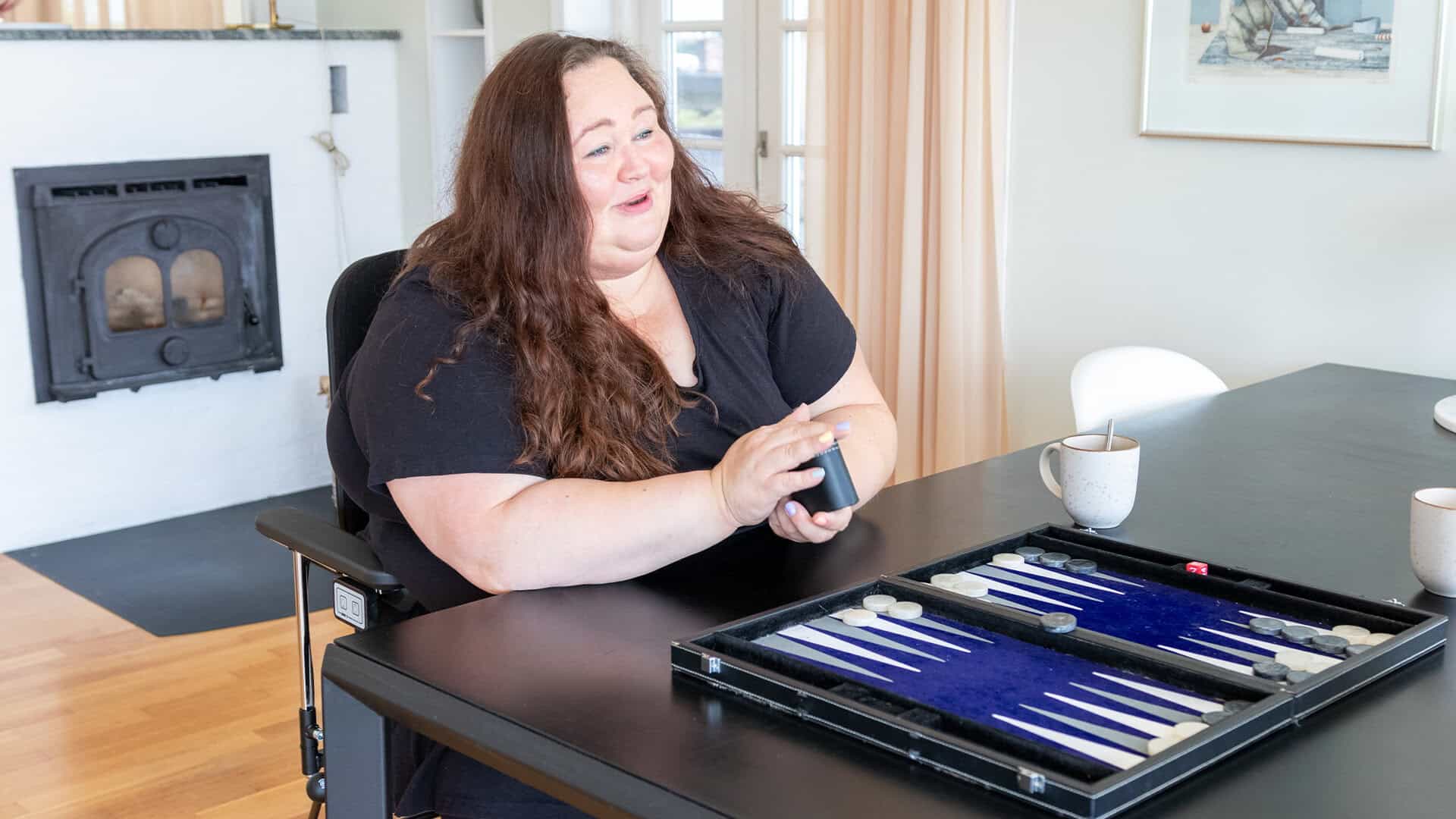
Navigating the challenges of conventional nursing homes can be daunting for families seeking to keep their loved ones safe and comfortable at home. As such, a shift toward supporting elderly independence at home through innovative solutions like mobility aids becomes crucial. The VELA chair is one such medically approved mobility solution designed for home use. It offers enhanced safety and freedom of movement while seated, providing stability and support for daily activities like cooking, dressing, or transferring — all while easing the burden on informal caregivers.
Beyond traditional equipment like adjustable chairs, seniors today benefit from a sophisticated range of AI-enhanced aids. Smart wheelchairs and walkers actively assist in safe navigation, making obstacle avoidance and adapting to different surfaces automatic AssistiveTechHub.com.auKeywayMedical.com. Wearable technologies including AI-powered glasses, brain-controlled prosthetics, and robotic exoskeletons further expand home safety and independence, while voice-activated and automated smart home solutions reduce reliance on manual switches, providing an ergonomic and accessible living environment ThinkBeyondTheChair.orgNAC Broward.
Exploring Alternatives to Nursing Homes
Achieving independence at home is increasingly feasible with devices like the VELA Chair, which offers critical support enabling seniors to remain in their own environments longer. This chair’s features, such as a central brake system for enhanced safety and electric height adjustability, cater to essential needs like fall prevention and energy conservation. By promoting ease of movement while seated, the chair helps alleviate the physical strain of daily tasks such as cooking or cleaning, effectively delaying the necessity for nursing home admission. While VELA isn’t the only solution available, its proven benefits make it a practical choice for those seeking to enhance daily living for seniors. Relevant information can be found on how mobility aids for independent seniors contribute to maintaining dignity, autonomy, and safety at home, underlining their importance in modern elderly care.
Sources:
AssistiveTechHub.com.au: “Top Assistive Tech Innovations in 2025” (June 2025)
KeywayMedical.com (2025)
ThinkBeyondTheChair.org (Feb 2025)
NAC Broward (Dec 2024)
NCHStats.com (May 2025)
CLAconnect.com (Feb 2025)
FirstLightHomeCare.com (Jan 2025)
Provider Magazine (Jan 2025)
AlignSeniorCare.com (2025)
WHO.int (2025)
McKinsey & Company (2026)
Provider Magazine (2026)
Home Health Care News (2026)