

Updated February 2026: We have updated the article with the latest developments in privacy-focused AI monitoring, unified care platforms, advanced fall detection systems, robotics and autonomous transport, dementia care innovations, and biometric authentication for senior living. Additional research-backed sources now detail these emerging trends and technologies.
Memory Care Facilities in Las Cruces: A Comprehensive Guide
Understanding the specific needs of seniors with memory impairments is crucial when searching for “senior living memory care Las Cruces.” Las Cruces offers a rich array of memory care facilities tailored to various stages of Alzheimer’s and dementia. According to MemoryCare.com, the costs for these facilities range between $4,500 and $6,500 monthly. This guide will explore the scope of memory care options, key considerations for families, and innovative solutions enhancing residents’ quality of life.
Exploring Memory Care Options in Las Cruces
Las Cruces is home to numerous esteemed memory care facilities, with two in particular noted for their personalized methods:
- Haciendas at Grace Village: Known for its comprehensive memory care and high caregiver-to-resident ratio, this facility offers private suites and personalized service plans. The dedication to individualized care is exemplified by resident experiences, like Alice, who actively participated in daily duties and formed new connections, significantly improving her well-being. For more details, visit Grace Village.
- The Arbors: Well-regarded for its therapeutic environment, The Arbors features unique offerings such as animal interactions and creative activities. The presence of a licensed registered nurse ensures continuous medical support, offering families peace of mind. Additional information is available at Vista Living.
These facilities exemplify the diverse and personalized care services available in Las Cruces. In recent years, memory care settings are also adopting innovative models that prioritize emotional well-being, sensory comfort, and intuitive navigation for residents with dementia, moving beyond purely clinical approaches. This shift fosters daily engagement and a greater sense of confidence, reflecting a broader industry trend toward environments that balance safety, independence, and joy.[5] [1]
Further advancements include the adoption of privacy-first AI monitoring systems that enhance resident safety without the use of cameras or audio, and care platforms that provide a seamless transition across independent living, memory care, and skilled nursing. These unified platforms support greater personalization and streamline care coordination.[5]
Cost and Care Considerations for Families
Financial planning plays a vital role in selecting a memory care facility. As stated previously, costs in Las Cruces can fluctuate between $4,500 and $6,500 monthly. Variables affecting cost include care level, room preferences (private vs. shared), and additional services like therapy. An exemplar is the Ortega family, who strategized financially for their father’s transition to memory care, relying on personal savings and long-term care insurance, as recommended by Caring.com.
Care models are increasingly adapting to the needs of solo aging seniors, integrating wellness check-ins, advocacy, and advanced care planning into everyday community life. Such enhancements help ensure isolated seniors receive timely support and maintain social connections.[4]
Evaluating Memory Care Facilities: Key Factors
When choosing a memory care facility, several critical factors should be considered:
- Staff Qualifications: Caregivers’ expertise in dementia is crucial. Facilities should maintain a high staff-to-resident ratio and ensure ongoing training for staff.
- Safety and Security: Secured environments are important for preventing wandering, with established protocols for emergencies.
The Ramirez family, for example, prioritized these factors by visiting multiple locations and choosing a facility emphasizing qualified staff and strong security measures, optimizing safety and independence for their mother.
Reputable facilities such as Blue Horizon Memory Care and Compass Living illustrate the commitment to excellent dementia care.
To further enhance safety and care, facilities are utilizing AI-powered health monitoring systems capable of detecting changes in resident health and activity patterns. Advanced fall detection and predictive analytics systems now help reduce false alarms while providing timely alerts to caregivers.[1]
Emerging biometric authentication and personalized engagement systems are improving resident security and tailoring program offerings to individual needs.[3]
Innovative therapy options, including VR experiences and sensory-friendly environments specifically designed for dementia care, are now being incorporated, supporting emotional well-being and cognitive engagement.[9]
As memory care facilities continue to cater to the specific needs of residents, they are leveraging technology in new ways to enhance safety and personalize care. AI-powered health monitoring systems can track vital signs and activity in real time, allowing proactive responses to health changes and reducing risks associated with medication errors and falls.[2] [7]
Facilities are adopting smart home features and robotics, such as voice-activated lighting, temperature control, automated medication management, and even autonomous internal transport systems, to boost efficiency and independence.[6] [8] [4]
Advances in telemedicine and interoperability help facilities streamline documentation, reduce caregiver workloads, and provide even more efficient, resident-centered support across all stages of memory care.[3] [5]
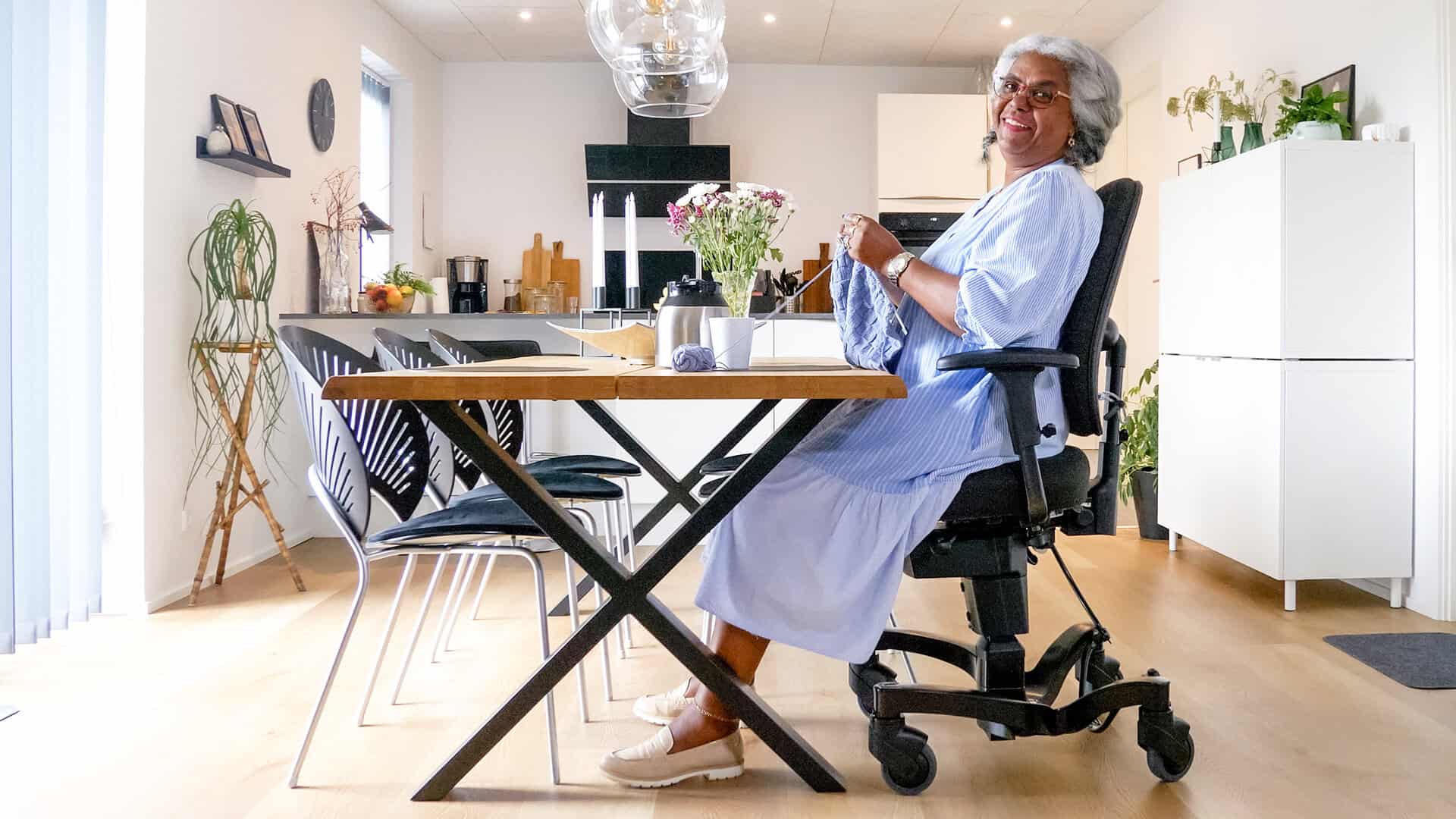
While institutional care provides structure and supervised environments, not all seniors thrive in such settings. The use of specialized equipment, like the VELA Independence Chair, offers a promising alternative. Medically approved for use at home, these chairs promote safety and mobility, allowing seniors to maintain freedom and perform everyday activities with greater ease. Designed to support day-to-day tasks such as cooking, dressing, or shifting positions without exerting informal caregivers, VELA chairs play a crucial role in enhancing the quality of life for seniors residing outside traditional care facilities.
Exploring Alternatives to Nursing Homes
Supportive mobility solutions like the VELA Independence Chair empower seniors to live safely and comfortably at home, potentially delaying the need for a nursing home. Features such as the central brake system enhance safety by preventing falls, while the electric height adjustability and ease of movement allow older adults to conserve energy. Life with a VELA Chair means tasks like cooking or relaxing become smoother and more secure, providing users with dignity and independence. By accommodating changing mobility needs, these innovative chairs act as a bridge to safer aging in place. Although not the only solution, VELA offers practical benefits verified by many satisfied users, allowing seniors to age gracefully and confidently in their own homes.
For more on supportive seating for seniors at home and chairs designed for elderly independence, explore the resources available.
Further reading and sources:
- Heisinger Bluffs, The Future of Senior Living: Trends to Watch in 2025
- Argentum & A Place for Mom, The State of Technology Adoption in Senior Living 2025
- Senior Housing News, How Senior Living Operators Go Beyond ‘Hype’ of AI, Other New Tech
- Align Senior Care, Senior Living Trends 2025
- Juniper Communities, Senior Living Trends in 2025
- CarePatrol, Embracing Technology: How Smart Home Devices Enhance Senior Living in 2025
- Health Dimensions Group, 2025 Top Trends in Aging Services
- Placitacare, How the 2025 Senior Tech Boom is Making Aging in Place Easier
- DosePacker, The Future of Senior Living: Top Trends to Watch in 2025