

Updated October 2025: We have updated the article with the latest developments in AI-powered and smart assistive devices, smart home solutions for seniors, expanded telemedicine adoption, remote health monitoring, adaptive ergonomic equipment, and broader market and regulatory trends impacting elder home care.
Enhancing Independence: The Role of Senior Nannies in Home Care
As the population ages, specialized in-home care services, like those offered by senior nannies home care specialists, are becoming increasingly vital. This reflects the growing desire among older adults to age in place, supported by personalized care solutions. According to Centers for Disease Control and Prevention, about 27% of adults aged 65 and older live alone, underscoring the importance of in-home care for maintaining independence and safety. The National Institute on Aging also highlights that many seniors prefer to age in place, emphasizing the relevance of these services.
What Are Senior Nannies Home Care Specialists?
Senior nannies are key players in elder care, providing tailored assistance that allows seniors to remain independent. They are particularly crucial for clients with conditions like dementia, offering flexible and compassionate care adapted to cognitive changes. Premier Home Care explains the growing necessity for such individualized services due to an increasing elderly population. A Premier Home Care case study illustrates how a senior nanny can enrich a client’s life by integrating companion and personal care, helping with daily tasks and offering emotional support.
Understanding the Needs of Today’s Elderly Population
Today’s elderly have diverse care needs, from managing chronic illnesses like diabetes and heart disease to confronting cognitive decline. As reported by National Institutes of Health, diverse socio-economic backgrounds among seniors affect care options, as personal and financial situations dictate the level and kind of care required. Practical scenarios demonstrate how customized care plans aid seniors in managing diabetes or improving mobility, thereby enhancing their quality of life.
Types of In-Home Senior Care: Companion, Personal, and Medical
Senior nannies provide three primary types of in-home care: companion, personal, and medical services. Companion care emphasizes social interaction and emotional health, personal care focuses on aiding with daily activities, and medical care addresses health-related needs. The Caresmartz360 blog discusses the increasing demand for caregivers skilled in chronic disease management. Each type requires specific training and qualifications to effectively address the unique needs of senior clients.
Local Market: Senior Nannies Providers and Cost Breakdown
Examining the cost and availability of senior nanny services shows significant variability by location and service type. For example, services in Florida often feature bilingual caregivers and specialized dementia care. According to user reviews on Indeed, hourly rates for caregivers can range from $16 to $22, with higher rates for specialized services. A cost comparison in Florida helps families budget for in-home care while balancing quality with affordability.
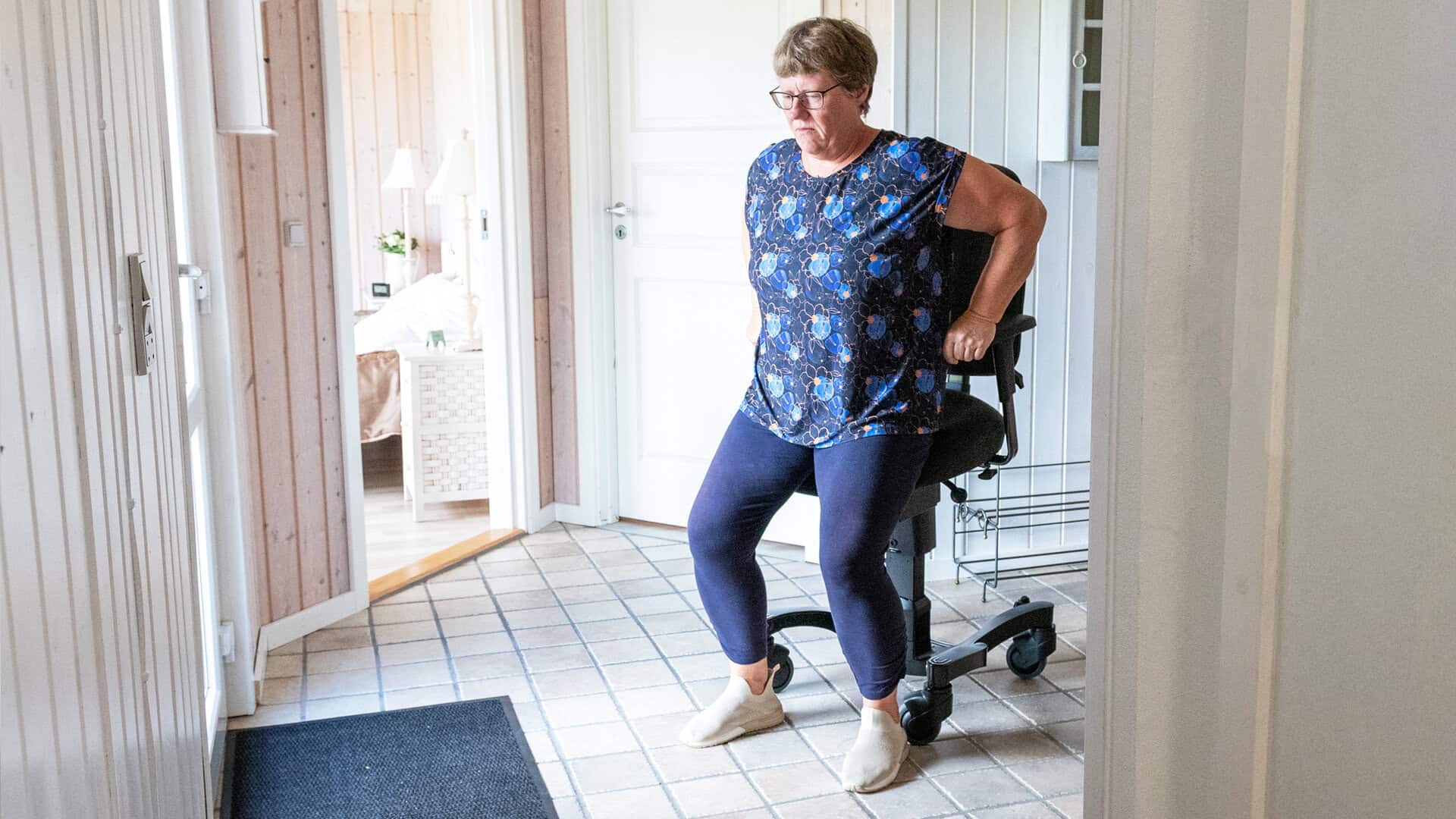
To further address the challenges presented by nursing homes, it is crucial to explore effective solutions that facilitate aging at home. This is where products like the VELA independence chair come into play, offering a viable option for many seniors desiring to maintain independence in familiar surroundings. VELA is a medically approved mobility chair specifically designed for home use. It enhances safety and provides the freedom of movement while seated, supporting essential daily activities such as cooking, dressing, or transferring, thereby significantly reducing the burden for informal caregivers.
Integrating Assistive Equipment: Why VELA Chairs are Transformative
Integrating assistive equipment like VELA chairs offers transformative benefits in enhancing elderly independence in home care settings. VELA chairs, noted for their adjustable height and stability, support safe mobility and daily activities, reducing the fall risk for seniors. Recent advances in assistive technology have accelerated the adoption of AI-powered smart mobility aids that provide features such as collision avoidance, voice control, GPS navigation, and personalized health monitoring EverythingMedicalOnline.com. These chairs and related technologies empower seniors to engage actively in daily routines, from cooking to hobbies, further boosting their quality of life. For further insights, visit supporting elderly care at home or explore mobility chairs for seniors.
Expanding Independence: The Role of Smart Technology and Telemedicine
Recent developments in senior home care highlight the integration of smart home automation and digital health management systems. Advanced technologies—such as voice assistants, smart access controls, and environmental controls tailored for senior ergonomics—allow individuals to safely and conveniently manage their living spaces ButterflyMX blog. The mainstreaming of telemedicine and remote patient monitoring gives seniors virtual access to healthcare professionals, supports chronic disease management, and reduces unnecessary hospitalizations Peters Creek Retirement MyCareConcierge.org.
Smart mobility and home technologies increasingly feature user-adaptive personalization, learning individual behavior and adjusting support more precisely. These tools contribute to a more wellness-centered, lifestyle-enhancing approach to senior care, moving beyond clinical models to foster independence and engagement JuniperCommunities.com. Meanwhile, social engagement is supported by companion robots and resident engagement platforms, which help reduce isolation and keep seniors connected HBRHC.com.
Alongside these advances, data security and technology interoperability are top priorities in deploying digital health and assistive solutions, ensuring that sensitive personal information is protected and care systems work reliably together CLAConnect.com.
Conclusion: Enhancing Independence Through Personalized Care
Senior nannies home care specialists are essential in providing elderly individuals with the support needed to age in place. By blending companion, personal, and medical care, these specialists enable seniors to maintain independence while ensuring safety and well-being. Coupled with innovative solutions like VELA chairs, AI-powered smart mobility aids, and integrated smart home and telemedicine systems, these comprehensive home care services exemplify the commitment to enhancing older adults’ quality of life. As stressed by the National Institute on Aging, the importance of a robust home care strategy cannot be overstated, reinforcing the value of a personalized approach to elderly care.
Supporting Aging in Place: A Practical Option
As seniors strive for an independent lifestyle longer, integrating mobility solutions like VELA Chairs into the home environment offers significant benefits. These chairs provide enhanced safety with a central brake for stability, electric height adjustability to assist in transfers and reaching, and the ability to move effortlessly while seated. Such features directly address home safety and energy conservation, crucially supporting the elderly’s ability to perform daily tasks independently, such as cooking and cleaning. By minimizing fall risk and assisting in routine activities, VELA Chairs can help delay the transition to nursing homes, preserving dignity and autonomy. While VELA is not the sole option, its proven functionality demonstrates its practicality as part of an effective strategy for aging in place.
EverythingMedicalOnline.com
Peters Creek Retirement
ButterflyMX blog
JuniperCommunities.com
CLAConnect.com
HBRHC.com
MyCareConcierge.org
Cyces
Heisinger Bluffs
ResearchAndMarkets via GlobeNewswire