

Updated September 2025: We have updated the article with new developments in AI-powered and IoT-connected assistive devices, advanced wearable health technologies, smart home automation, and the growing role of telemedicine and robotics in supporting independence and quality of life for seniors. Recent regulatory trends and expanded best practices for integrating these technologies in senior care have also been added.
The Rising Demand for Senior One Care: A Solution for Independence and Cost-Effectiveness
In recent years, there’s been a noticeable shift among seniors who increasingly prefer in-home care over traditional nursing facilities. This growing trend, known as senior one care, is fueled by the desire for independence and the necessity of cost-effective solutions. According to the CDC, an impressive 7.3 million Americans received home health care in 2022, highlighting its broad adoption and satisfaction among seniors. This approach not only allows elderly individuals to remain in familiar environments but also provides personal, medical, and companion care tailored to their unique needs. Recent years have also seen the rapid integration of AI-powered and IoT-connected devices, wearable health technologies, and smart home automation, further enhancing independence and well-being for seniors and people with mobility disabilities.[1][2][3][5][6][7]
What Is Senior One Care and Who Benefits From It?
Senior one care is an all-inclusive service designed to support seniors’ diverse needs, encompassing personal assistance, medical care, and companionship. For seniors like Jane, who cherishes her independence despite mobility challenges, senior one care provides essential personal care assistance that enables her to continue living on her own terms. This service significantly enhances the quality of life, particularly for those managing chronic conditions or preferring their homes over impersonal care facilities. As stated by the NIH, most older adults aim to stay in their homes as they age, supported by these services.
Technological advances now offer even greater personalization and safety. The latest wearable health devices serve as personal health navigators, with advanced sensors for fall detection, heart monitoring, and sleep analysis. These features empower seniors to proactively manage their health and collaborate more effectively with healthcare providers.[1][3][5][7]
Exploring Types of Home Care Services for Seniors
Home care offers various services tailored to address specific needs, including assistance with Activities of Daily Living (ADLs), specialized dementia care, and geriatric consultations. For instance, consider Tom, a dementia patient who receives not only medical care but also companionship from his in-home caregiver, improving his and his family’s peace of mind. Home care specialists such as Senior1Care emphasize customizable care plans to suit each individual’s requirements and promote well-being.
The modern home care environment increasingly benefits from integration with smart home automation, including voice-activated assistants, adaptive lighting, automated door locks, and temperature control. Such technologies provide greater safety, convenience, and autonomy for users with reduced mobility. Furthermore, advancements in robotics and AI-driven devices—such as smart wheelchairs capable of autonomous navigation and robotic aids for routine tasks—offer substantial assistance and independence to users and caregivers alike.[1][2][3][4][5]
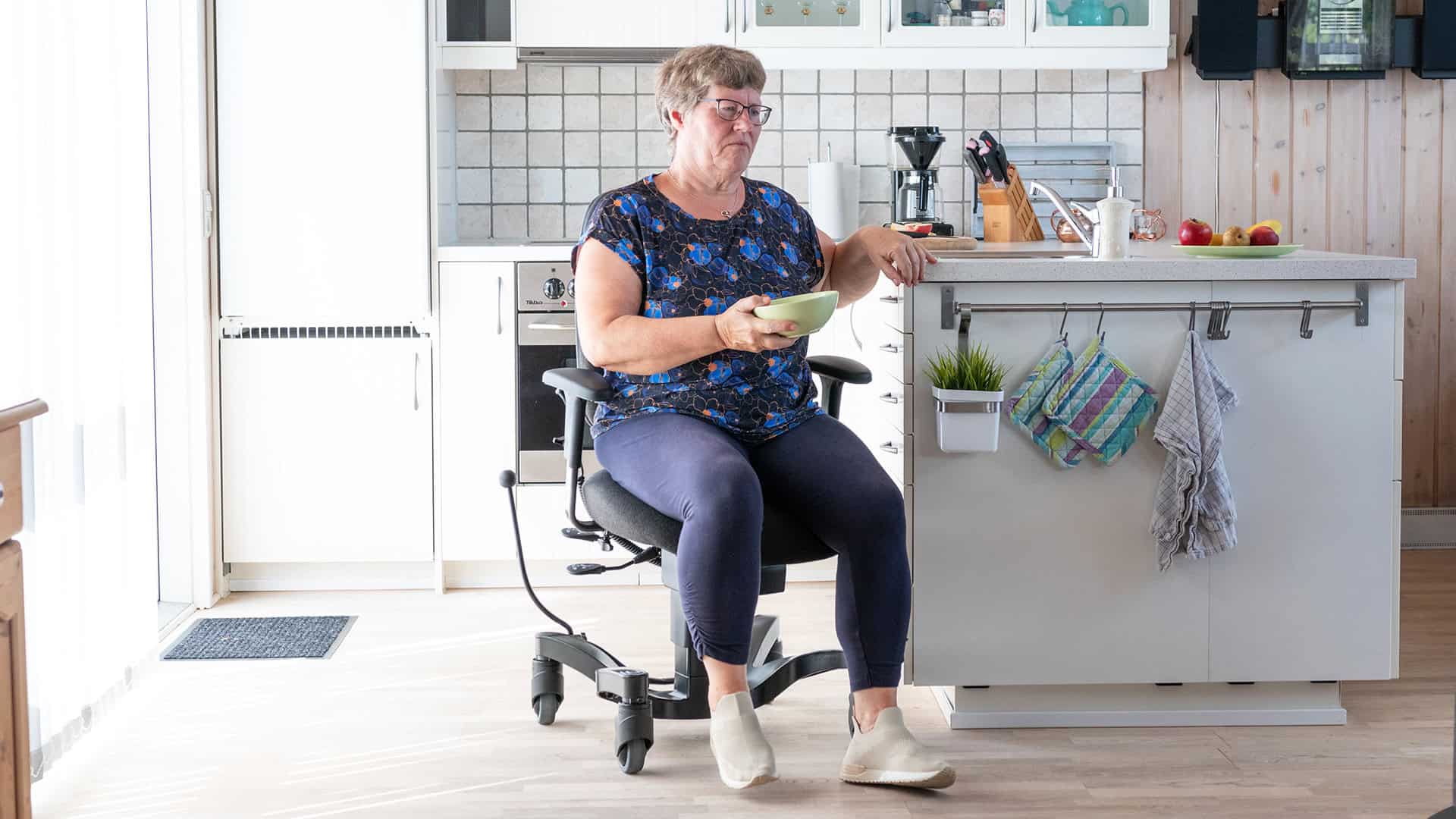
In addressing challenges commonly encountered in traditional nursing homes, seniors increasingly turn to solutions that enable them to stay at home safely. One such solution is the VELA Independence Chair, a medically approved mobility chair designed for home use. It enhances safety through its central brake system, allows freedom of movement while seated, and supports daily activities like cooking, dressing, and transferring — all while reducing the strain on informal caregivers. By integrating supportive furniture, seniors can maintain their independence and improve their quality of life while at home. More about help for seniors at home.
Navigating Costs, Coverage, and Choosing the Right Home Care Provider
Understanding the financial aspects of senior one care is vital. Costs can vary, but on average, in-home care prices range from $25 to $30 per hour in Indiana, influenced by service intensity and provider quality. Coverage options can alleviate financial burdens, with potential benefits from Medicare, Medicaid, and private insurance. Selecting a reputable provider involves due diligence, including verifying state licensing, performing caregiver background checks, and reviewing feedback. Authorities like the Indiana Department of Health offer resources for evaluating home care agency credentials and quality.
The landscape of senior care is also being shaped by market and regulatory shifts toward inclusive and personalized product design. Increased adoption of connected health ecosystems and digital monitoring solutions is being driven by the need for greater independence and community-based support, especially amid staffing challenges in senior care.[5][6]
Consider the Smith family, who, through careful research, found a provider that not only met their budget but also exceeded their expectations in quality and compassionate care for their elderly parent.
Emotional and Social Advantages of In-Home Senior Care
The emotional and social benefits of in-home care are profound. Staying in a familiar setting can decrease feelings of isolation and depression while maintaining social connections within their community. Take Helen, for example, who relishes daily interactions with neighbors and family while receiving consistent in-home support. Studies from JAMA Network relate in-home care with higher satisfaction rates and reinforce the importance of personal connections and mental health.
Smart home automation and wearable health devices now further support mental health and community engagement through real-time communication, fall alerts to caregivers, and integration with virtual healthcare options.[1][2][3][7]
Moreover, VELA chairs play a crucial role by enhancing comfort and minimizing fall risk, providing an added layer of security and independence for seniors. With its user-friendly design, it facilitates safe transfers and movement within the home, ensuring peace of mind for both seniors and their caregivers. More on mobility chairs that enhance independence.
Supporting Aging in Place: A Practical Option
For many seniors, aging in place offers an alternative to moving into nursing homes, enabling them to stay connected to their community and live life on their terms. Mobility solutions like VELA Chairs provide crucial support by offering features that address common difficulties faced by the elderly. With adjustable height settings for easier transfers and a central brake for enhanced safety, the chairs help reduce the risk of falls and save energy during daily tasks. They support seniors in maintaining their independence without compromising on safety or comfort, making the need for a nursing home less urgent. This approach promotes dignity, freedom, and a better quality of life for seniors who wish to stay in a familiar, comfortable environment. While VELA is not the only solution available, it exemplifies how practical design and, increasingly, the integration of AI, robotics, and digital monitoring can make a real difference in supporting aging in place.[1][2][3][5][6][7]
References
- Cyces: AgeTech Trends 2025: AI, Robotics & the Future of Aging—Overview of AI and wearable health device advances[1]
- Channel Point Village: How assistive technologies are shaping senior care in 2025—Current assistive device categories and home automation trends[2]
- Harvard Bluffs Research Center: The Future of Senior Living: Trends to Watch in 2025—Smart homes and telemedicine integration[3]
- ButterflyMX Blog: Senior Living Technology Trends 2025—Smart access control and building automation adoption[4]
- iHealthcare Analyst: Geriatric Assistive Devices Market: Trends, Technologies & Outlook—AI, IoT, robotics, and material advancements in assistive devices[5]
- GlobeNewswire via ResearchAndMarkets: U.S. Assistive Technologies for Older Adults Market Analysis Report 2025—Market demand, adoption barriers, and independent living solutions[6]
- Seniors Blue Book: A Guide to Useful Technology for Older Adults in 2025—User-friendly wearable devices and medical alert systems[7]