

Updated January 2026: We have updated the article with new findings on individualized senior rabbit assessment, the role of tailored nutrition, advancements in mobility support through specialized bedding and enclosure adaptations, recent trends in veterinary care access, and the importance of monitoring health and behavioral changes in aging rabbits.
Senior Rabbit Care: A Comprehensive Guide
As our furry companions age, they require specialized care to maintain their health and outlook on life. Senior rabbits are no exception. This comprehensive guide provides insights and practical advice for ensuring the comfort and well-being of your aging rabbit. We’ve drawn from expert knowledge and reputable sources such as the Rabbit Welfare Association and the latest animal welfare updates RSPCA.
Recognizing When Your Rabbit Becomes a Senior
Understanding when your rabbit reaches their golden years is crucial for providing appropriate care. While rabbits are often considered seniors between 5 and 8 years of age depending on breed, recent guidance emphasizes that individual assessment—taking into account mobility, health, and behavioral changes—is more important than age alone[1][2]. Larger breeds may age faster. According to the Rabbit Welfare Association, senior rabbits commonly experience decreased mobility, dental issues, and changes in behavior. Updated guidance from RSPCA now also emphasizes monitoring for sensory decline, such as hearing and vision loss, and recommends gentle handling to minimize stress for older rabbits.
Consider the case of Lucy, a rabbit owner who noticed her 6-year-old rabbit, Thumper, showing signs of arthritis. Thumper hesitated to hop and climb into his favorite chair, prompting Lucy to seek veterinary advice. Lucy’s first-hand experience teaches us the importance of recognizing age-related health changes early.
Adjusting Diet for Optimal Senior Rabbit Health
Diet plays a significant role in a senior rabbit’s health. High-fiber hay is crucial, while age-appropriate and now specialized senior pellets are increasingly available to help manage weight and nutritional needs[1][2]. According to The Educated Rabbit, senior rabbits may require more fiber to aid digestion and support dental health. Updated expert advice highlights the importance of managing weight to help prevent obesity and arthritis-related complications, alongside regular exercise and environmental adjustments The Bunny Lady. Regular weight monitoring is now considered essential.
Take Binky’s story as an example: by adjusting her diet to include more high-fiber hay and senior pellets, her owner noted improved weight and vitality. This scenario demonstrates the transformative impact of tailored dietary care for senior rabbits.
Enhancing Living Spaces for Senior Rabbits
Creating a safe and comfortable environment is vital for senior rabbits. Updated expert recommendations now call for ergonomic adaptations such as non-slip flooring (using rubber-backed mats) and low-sided, easily accessible litter trays, particularly for rabbits managing arthritis or reduced mobility Rabbit Welfare Association & Fund. Mobility support for seniors has expanded to include specialized bedding like Vetbed, traction-enhancing mats, and low-barrier litter boxes for ease of access and prevention of slips[1][2]. These practical adjustments can drastically improve independent movement and comfort for aging rabbits The Bunny Lady Ask A Vet.
Senior rabbits also often benefit from comfortable bedding and careful temperature regulation, as they become more sensitive to environmental changes. All living essentials should be within easy reach to reduce unnecessary physical effort. These recommendations reflect current trends in inclusive and rehabilitative care, paralleling advances seen in human eldercare RSPCA and Ask A Vet. Inclusive product developments now focus on ergonomic designs such as low-threshold enclosures and bedding materials suited for fragile skin and impaired mobility Rabbit Welfare Association & Fund.
Mark, a dedicated rabbit owner, revamped his rabbit’s living space to prevent pressure sores by adding soft bedding and ensuring all essentials were within reach. This real-world example, supported by insights from Petplan, shows the effectiveness of these simple modifications.
Managing Health Issues in Aging Rabbits
Senior rabbits face common health concerns such as arthritis, dental problems, and grooming challenges. Arthritis can significantly impair mobility, making regular veterinary care and home monitoring vital. Frequent veterinary check-ups are especially important for early detection of issues and to adapt care routines as needs evolve The Bunny Lady. Current recommendations stress the importance of individual assessment in identifying subtle behavioral or physical changes that may indicate discomfort or illness[1][2]. Recent guidance further emphasizes grooming assistance, including regular nail trimming and fur maintenance, due to reduced self-grooming and lower activity levels RWAF. Updated clinical recommendations highlight the importance of monitoring for subtle signs of pain or sensory decline—such as changes in movement or response to stimuli—and encourage early intervention with medications or therapeutic adjustments Ask A Vet.
Senior rabbit care also includes addressing dental disease, which may become more likely with age[2]. Rehabilitation now includes targeted physical therapy and gentle massage techniques, as advised by veterinary experts such as Dr. Duncan Houston, to maintain flexibility and reduce stiffness in senior rabbits Ask A Vet.
An example of vigilant care involves Flopsy, whose owner noticed dental issues due to changes in eating habits. Timely veterinary intervention resolved the problem. Reliable information from The Rabbit Hop highlights the importance of timely medical care. Veterinary access is further improving via expanded veterinary training and low-cost vaccination clinics to address gaps in rabbit care[3].
Supporting Mind and Mood in Senior Rabbits
Environmental enrichment tailored for older rabbits is increasingly recognized as essential for maintaining cognitive health and reducing anxiety. Experts recommend providing cognitive engagement through puzzle toys, safe chewables, and foraging challenges, while also creating quiet, stable surroundings to alleviate stress Rabbit Welfare Association & Fund The Bunny Lady Ask A Vet.
The Challenges of Caregiving and Solutions for Independence
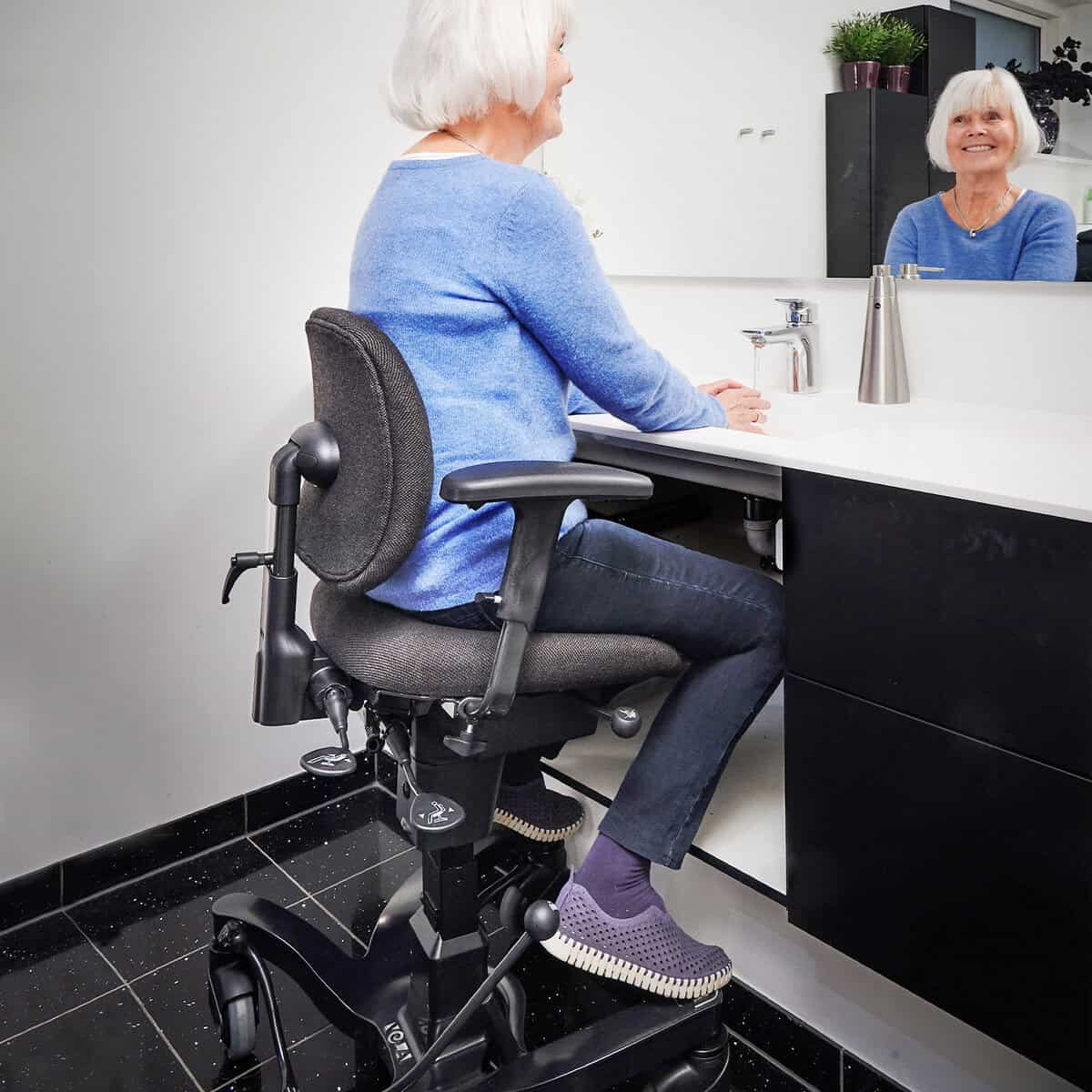
As rabbit owners age, the demands of caregiving naturally intersect with their own evolving needs. Many elderly individuals prefer to maintain independence in their own homes while caring for their pets, thus facing physical limitations. This is where supportive solutions like the VELA Independence Chair come into play. As a medically approved mobility chair, VELA offers enhanced safety, freedom of movement while seated, and support for daily activities like cooking, dressing, or transferring—all while reducing the load on informal caregivers. Leveraging supportive chairs for elderly independence helps ensure that both senior caregivers and their beloved rabbits enjoy comfort and autonomy in their familiar environments.
Recent advancements in assistive technology for eldercare, such as AI-enabled robots for monitoring, companionship, and rehabilitation, reflect a larger cultural shift toward inclusive, ergonomic designs Grand View Research. While such advanced devices are not yet common in rabbit care, the underlying design principles are now being applied to optimize rabbit environments for accessibility and mobility support. This trend suggests future innovations could address pet-specific needs for animals with disabilities as well.
Rabbits as Emotional Support and Therapy Animals
There is a growing recognition of rabbits as emotional support and therapy animals, especially benefiting seniors and individuals with disabilities or chronic conditions. Interactions with rabbits can help promote mental well-being and reduce feelings of loneliness in those they live with AmeriDisability Aviva In-Home Care. Including rabbits as part of therapeutic or emotional support settings offers additional motivation for owners to invest in adaptive care and environmental enhancements.
Exploring Alternatives to Nursing Homes
Staying independent in the comfort of one’s home is increasingly achievable with the aid of assistive technology such as the VELA Independence Chair. This mobility solution is designed to tackle common challenges faced by older adults, such as safety during transfers and maintaining energy levels. Features like a central brake for stability, electric height adjustability for ease, and improved movement while seated contribute to a supportive living environment. These benefits help delay the need for moving to a nursing home, offering individuals the dignity and freedom of remaining in their cherished homes. While VELA is not the exclusive solution to aging in place, it exemplifies a practical option that enhances daily life, from cooking and cleaning to relaxing, allowing elders to preserve their independence longer.
- RSPCA: Caring for senior rabbits — mobility, sensory, and exercise considerations (2024)
- Rabbit Welfare Association & Fund: Senior rabbit housing adaptations and mobility support (2024)
- The Bunny Lady: Senior rabbit health challenges including obesity and grooming needs (2025)
- Ask A Vet: 2025 Rex Rabbit care updates (2025)
- Grand View Research: Elder care assistive robots market trends and technologies (2025)
- Ask A Vet: Updated senior rabbit care, assistive devices, therapy (2025)
- AmeriDisability: Rabbits as therapy and support animals (2024)
- Aviva In-Home Care: Health benefits of rabbits for seniors and therapy (2024)