

Updated September 2025: We have updated the article to reflect the latest advancements in assistive technologies, including AI-powered smart wheelchairs, robotic exoskeleton-assisted rehabilitation, brain-computer interface prosthetics, smart home integrations, and current global recommendations on inclusive and accessible care for seniors.
An In-depth Look at Seven Acres Jewish Senior Care Services
For those seeking quality senior living facilities, “Seven Acres Jewish Senior Care Services” in Houston, Texas, emerges as a top contender. As a non-profit institution, it boasts a Four-Star rating from Charity Navigator, signifying its commitment to financial health and accountability. Moreover, according to Medicare.gov, Seven Acres complies with stringent quality standards and has had no complaint inspections in the past year.
A Deep Dive into Seven Acres’ Care Offerings
At Seven Acres, the array of care services is both comprehensive and tailored to meet the diverse needs of its residents. The facility provides skilled nursing, memory support, rehabilitation, and assisted living to ensure that every resident receives appropriate care. These services are enhanced by on-site physician consultations and diverse therapy programs, offering a holistic approach to senior healthcare. The attention to detail extends to maintaining clean and well-managed facilities, a point highlighted by numerous positive user reviews on platforms like Seniorly.
To cater to the complex health needs of its residents, Seven Acres offers specialized programs for Alzheimer’s and mobility impairments. Such personalized attention is crucial in maintaining a high quality of life and minimizing the need for hospitalizations, aligning with findings in the Journal of the American Geriatrics Society which emphasize tailored support to enhance well-being.
Latest Advancements in Assistive Technology and Mobility Support
Recent years have seen substantial innovation in assistive technology that is shaping resident care at senior communities like Seven Acres. Modern mobility aids now include AI-powered smart wheelchairs, which feature obstacle detection, autonomous navigation, real-time health monitoring such as posture and pressure sore tracking, as well as voice and gesture-based controls. Integration with mobile applications allows for route planning and direct alerts to caregivers, supporting both independence and safety (Keyway Medical; Ability Montana).
Rehabilitation services are now increasingly incorporating robotic exoskeletons to support mobility for individuals with spinal cord injuries, while brain-computer interface (BCI) prosthetics enable intuitive control of artificial limbs. These technologies contribute greatly to restoring independence for seniors with advanced mobility needs (Think Beyond the Chair).
Smart home integrations, including voice-activated IoT devices and real-time health monitoring wearables, are now valuable tools in fostering safe, independent living. Seniors benefit from automated environmental controls and monitoring, while caregivers have greater oversight with remote alerts and health data tracking (TomCare; Equal Accessibility LLC).
Adaptive and ergonomic input devices, such as customizable keyboards, mouth-operated mice, and advanced voice recognition systems, are expanding accessibility and empowering residents with limited dexterity to participate fully in digital activities.
Catering to the Unique Needs of Our Elderly Residents
The demographics at Seven Acres are varied and fascinating. Most residents are aged 65 and above, with a significant proportion over 80, reflecting the growing demand for long-term care among the “very old” demographic. Conditions such as Alzheimer’s, mobility impairments, and chronic illnesses are common among the residents, necessitating a versatile approach to care. Special attention is given to diverse socio-economic backgrounds and inclusive religious practices, embodying a commitment to equality and cultural adaptability within the institution (CDC Long-Term Care Services Report).
Upholding the Highest Standards of Care and Compliance
Seven Acres does not merely rest on its laurels when it comes to quality assurance. The facility is proud of its Medicaid and Medicare certification, underscoring its adherence to both state and federal regulations. In the words of Dr. John Morley from Saint Louis University Geriatrics, “Consistency in staffing and individualized attention are paramount to reducing hospitalizations and enhancing the quality of life for elderly residents.” Seven Acres embraces this philosophy wholeheartedly, ensuring that staffing levels are adequate to meet the needs of every resident (Texas Health & Human Services).
International guidelines, including those from the World Health Organization (WHO), now emphasize the importance of expanding access, affordability, and training for advanced assistive technologies, ensuring universal and inclusive care for all seniors (World Health Organization).
Fostering a Rich Cultural and Spiritual Environment
Cultural enrichment forms a cornerstone of life at Seven Acres, where Jewish values and traditions are seamlessly integrated into daily care, creating an environment that respects and promotes spiritual well-being. Intergenerational activities, arts, and music therapy not only enrich resident life but also forge deeper connections with the wider community, as stated on the Seven Acres Official Website.
Enhancing Mobility and Independence: The Role of VELA Chairs and Innovative Solutions
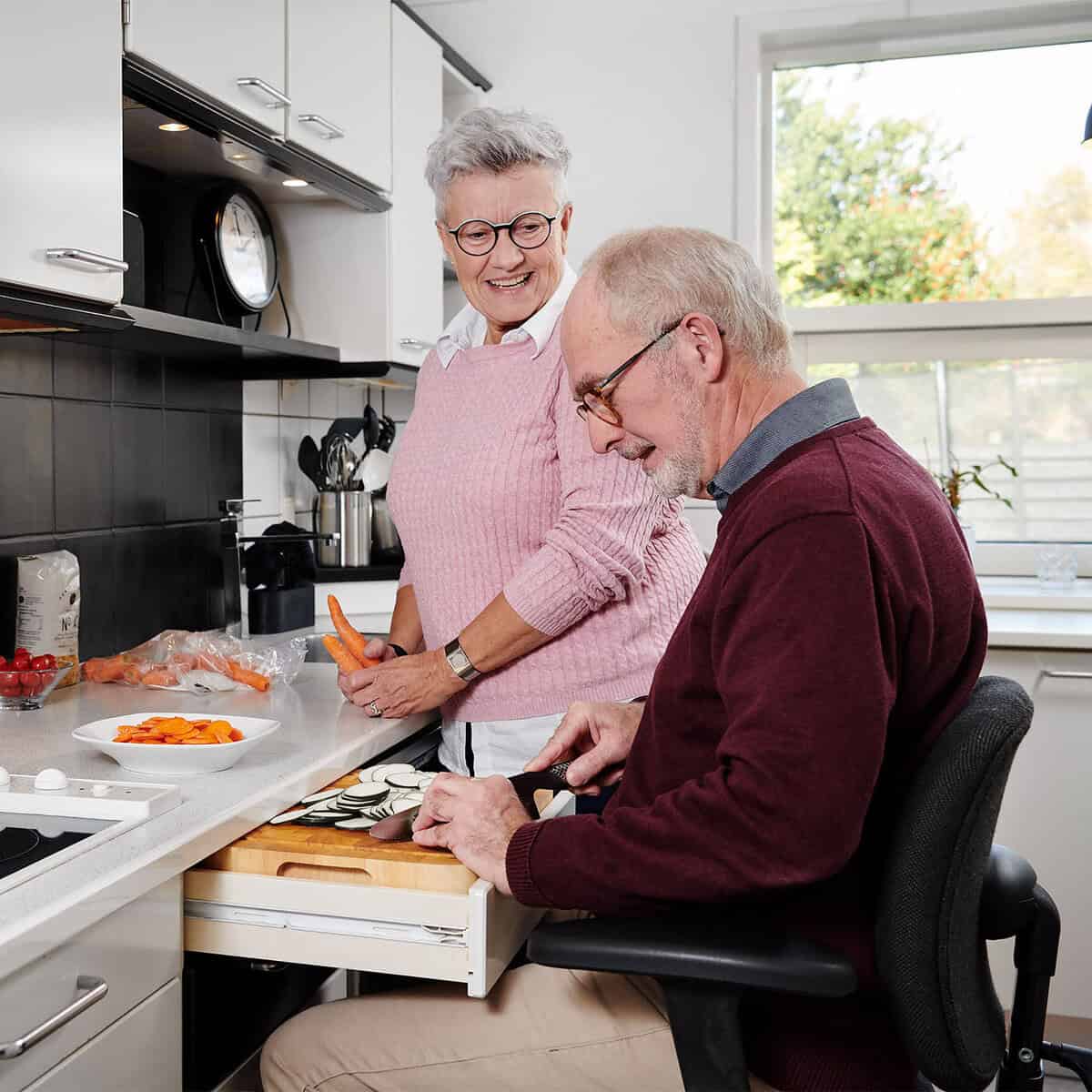
Acknowledging the challenges faced by nursing homes in promoting resident safety and independence, solutions such as the VELA Independence Chair offer significant benefits for those residing in senior care facilities or seeking to remain independent at home. This medically approved mobility chair is designed to enhance safety and facilitate freedom of movement while seated. It supports daily activities like cooking, dressing, or transferring, effectively reducing the physical burden on informal caregivers.
Beyond traditional aids like VELA, leading-edge advances such as AI-powered smart wheelchairs, smart glasses for real-time navigation and object recognition, and wearable health devices further empower older adults to lead safer, more autonomous lives both in residential care and at home. These solutions are coupled with options for personalized rehabilitation through robotic exoskeletons, enabling broader access to therapeutic mobility support and minimizing fall risks (Keyway Medical; Think Beyond the Chair; Equal Accessibility LLC; Assistive Technology Industry Association).
Staying Independent at Home with Support
For many seniors, maintaining independence at home can significantly improve their quality of life. The VELA Independence Chair for seniors exemplifies how specialized mobility aids can help achieve this goal. Its features like the central brake system promote safety, while electric height adjustability and easy movement while seated assist with daily tasks, thereby minimizing fall risks. The chair’s benefits extend to practical activities such as cooking, which can be performed with dignity and ease. Today’s seniors and their families can also explore a wider range of assistive devices—from AI-powered mobility solutions to adaptive computer input tools and comprehensive smart home integrations—for more personalized, accessible, and supportive aging in place (PR Newswire – Technavio Report).