

Updated January 2026: We have updated the article with new trends on predictive AI-powered health monitoring, integrated smart home data platforms, edge AI and ambient intelligence, hyper-personalized care, enhanced voice-activated assistants, expanded telehealth and remote services, privacy-preserving safety features, and evolving higher-acuity home care models.
Smart Home Elderly Care: A Modern Solution for Aging in Place
As the global population ages, the importance of “smart home elderly care” is increasing tremendously. According to the Centers for Disease Control and Prevention (CDC), by 2060, nearly 1 in 4 Americans will be 65 years and older, underscoring an urgent need for solutions that support aging in place. This approach enables seniors to maintain independence while ensuring safety and wellness. Smart home technology is at the forefront, offering user-friendly solutions for the elderly population, as emphasized by the National Institute on Aging.
Understanding Smart Home Elderly Care
Smart home elderly care involves integrating advanced technologies within the home to enhance independence and life quality for older adults. These technologies play a critical role in assisting seniors to age peacefully in their own homes. According to a 2023 peer-reviewed study, smart home technology greatly uplifts seniors’ life quality by offering a sense of security and independence.
For instance, companies like Premier Home Care have implemented smart home solutions, showcasing real-world applications of technology in elder care. This involves installing devices such as automatic lighting, voice-controlled assistants, and remote monitoring tools to ensure seamless day-to-day living for seniors.
Why Aging in Place Matters
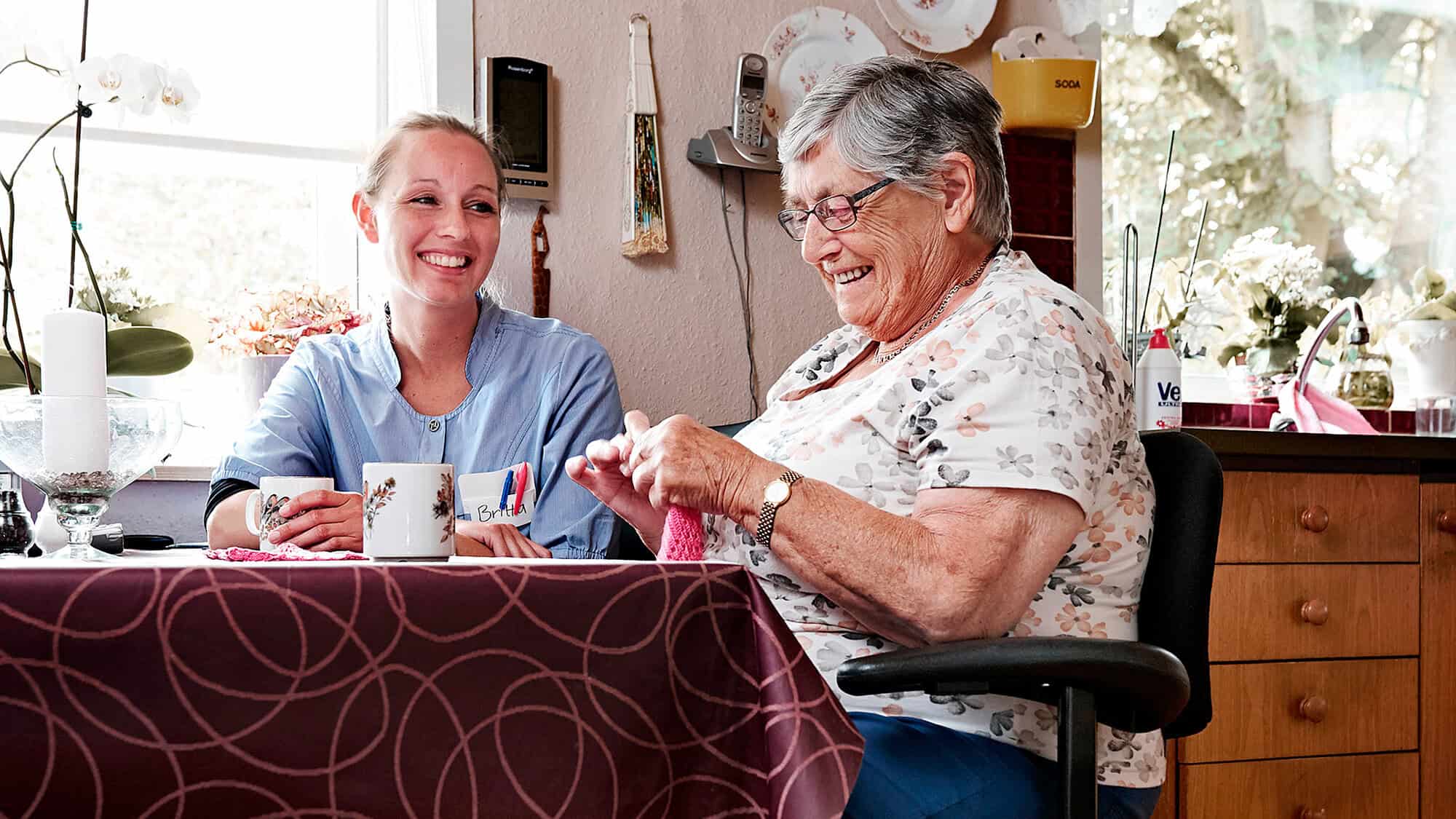
Aging in place is crucial for most seniors, impacting their well-being significantly. Remaining in familiar surroundings can alleviate stress and bolster mental health. With smart home devices specifically designed for seniors living alone, the elderly can enjoy greater autonomy and reduced dependency on constant caregiver presence.
Core Technologies in Smart Home Elderly Care
Recent advancements now highlight not only greater integration of artificial intelligence (AI), but also the emergence of edge AI and ambient intelligence, which operate discreetly in the background of the home environment to prevent incidents before they occur (K4Connect, 2026; AllSeniors.org, 2026). These safety infrastructure upgrades ensure essential protection and privacy for older adults by analyzing behavioral patterns and spotting health or mobility risks before they escalate. Sophisticated data-driven personalization is now possible, tailoring care to individual health baselines rather than population averages (Unified Pledge, 2026).
Modern smart homes benefit from seamless interoperability between voice-activated assistants, automated lighting, fall detection systems, and a wide variety of health monitors. Rather than operating as isolated devices, these are increasingly connected into unified data platforms that merge vitals, wearable data, care notes, and daily life activity, enabling truly coordinated and preventive care (CareVoyant, 2026; AllSeniors.org, 2026).
Wearable monitors, smart sensors, and other devices now provide real-time vital sign tracking, facilitating not just early but predictive detection of health risks—including mobility changes, cognitive decline, and alterations in daily routines—through advanced AI analytics. These features can alert caregivers or healthcare providers proactively, supporting forward-looking health management and reducing the likelihood of hospitalizations (K4Connect, 2026; CareVoyant, 2026).
AI assistants, with expanded capabilities, foster social connection and provide companionship to reduce isolation. They now support more natural, conversational interaction, and can coordinate with advanced caregiver tools, medication management, and telehealth consultations to reinforce health and independence (Trust Home Care, 2026). Voice-activated platforms also facilitate access to entertainment, information, and care resources, further supporting mental and emotional well-being.
Safety systems now leverage AI for continuous observation, identifying subtle changes in movement or behavior—while using edge computing to preserve privacy—and delivering dignity-preserving, ambient emergency interventions. Higher-acuity services that once required facility-based care, such as wound management or respiratory therapy, are being delivered at home thanks to integrated smart home technologies and specialized caregiver training (CareVoyant, 2026; Unified Pledge, 2026). Human-centered, universal design remains central, ensuring usability by people with sensory, mobility, or cognitive differences.
The challenges of relocating to a nursing home can often be significant, affecting mobility, privacy, and emotional well-being. These challenges reinforce the need for solutions that promote independent living for older adults within their own homes. An effective response to this demand is the integration of systems and support that assist with daily activities and ensure safety — and the VELA Independence Chair is one such option. The VELA chair is a medically approved mobility chair designed for home use. It enhances safety, provides freedom of movement while seated, and supports daily activities like cooking, dressing, and transferring—all the while reducing the strain on informal caregivers through its innovative design.
Overcoming Barriers to Technology Adoption
Despite their benefits, smart home technologies face barriers such as digital literacy, privacy concerns, and initial costs (Definitive Healthcare, 2025). By 2025, nearly 50% of US households are expected to adopt smart home devices, reported by AARP. Yet, adoption is often hindered by seniors’ unfamiliarity with technology and privacy worries.
Increasingly, solutions now address the coordination between many devices and platforms, using unified data management and privacy-preserving technology to reduce complexity. Participatory design, user-led feedback, and inclusive development processes—combined with ongoing education—remain key strategies ensuring technology properly fits individual needs (AllSeniors.org, 2026; K4Connect, 2026).
More providers are expanding caregiver training for specialized conditions such as dementia, Alzheimer’s, and Parkinson’s, ensuring effective use of technology in complex care scenarios (Trust Home Care, 2026). Policy proposals advancing insurance eligibility and rural access, alongside increased privacy and transparency around consent and health data, are furthering adoption and trust in smart home health ecosystems.
Integrating Smart Devices: Voice Assistants, Sensors, and Health Monitors
Integrating smart home devices now means connecting systems to larger coordinated ecosystems. Edge AI platforms securely process health and activity data in the home, feeding predictive analytics and care recommendations directly to caregivers and health teams (CareVoyant, 2026; K4Connect, 2026). Voice-activated assistants and real-time health tracking now serve an expanded role—preventing isolation, supporting health routines, and maintaining social connection—while telehealth integrations tie seamlessly into the home for virtual consultations, remote therapy, and follow-up care.
Inclusive and universal design, including larger controls, customizable interaction, and user-driven configuration, remain essential for creating technology that seniors find approachable and effective (AllSeniors.org, 2026). Demonstration and training programs continue to support higher satisfaction and confidence among older adults and family members. Personalized care programs, grounded in individual baseline activity and health monitoring, have replaced standardized generic routines, better supporting chronic condition management and holistic well-being (Unified Pledge, 2026).
How to Choose Providers and Programs: Local Market Guide
Choosing providers requires evaluating specific needs, budget constraints, and available support. Reputable providers, such as Premier Home Care, offer comprehensive strategies for smart home integration, tailored for elderly care.
Exploring state-specific aging assistance offices can reveal pilot programs providing subsidized smart home modifications or training, ensuring seniors receive necessary support to thrive at home. Insurance and government subsidy options continue to expand and play a critical role in improving access (Standards Sunrise Foundation, 2026). Integrated care models and partnerships with telehealth providers are now commonly available and increasingly vital for supporting higher-acuity care at home.
Special Feature: VELA Chairs – Enhancing Comfort and Safety at Home
An often-overlooked aspect of smart home elderly care is specialized furniture like VELA chairs, which enhance safety by minimizing fall risks, support improved mobility through adjustable settings, and bolster independence by enabling seniors to perform daily tasks comfortably. They complement high-tech solutions by incorporating physical support, crucial for comprehensive elderly care.
VELA Chairs offer a practical solution for supporting seniors staying longer in their homes. Their design includes a central brake for enhanced safety, electric height adjustability for effortless transfers, and smooth movement for remaining active while seated. Such features address issues of safety and energy conservation, pivotal in mitigating the need for early nursing home admissions. Imagine life with a VELA Chair: moving seamlessly from the kitchen to the living room without fearing falls, accomplishing daily tasks independently, and preserving energy. These chairs enable seniors to maintain dignity and freedom, reducing caregiver anxiety and allowing more relaxed living. While not the sole solution, VELA provides a proven, pragmatic avenue among aging-in-place supports for smart home living that emphasize autonomy and comfort.
References
- Centers for Disease Control and Prevention (CDC)
- National Institute on Aging
- 2023 Study – Smart Home Benefits
- ResearchAndMarkets.com – Smart Home Healthcare Markets
- AARP – Smart Home Tech for Older Adults
- ClaraHomeCare.com. (2025-07-21)
- HumanCareNY. (2025-02-27)
- MyCareConcierge.org. (2025-02-24)
- Next50Foundation.org. (2025-01-27)
- Accessibility.Works. (2024-12-03)
- Hong Kong Government Digital Policy Office. (2025-06-30)
- University of Florida, Aging Institute. (2025-05-14)
- Heisinger Bluffs, “The Future of Senior Living: Trends to Watch in 2025”
- HumanCare NY, “Home Care Technology Innovations”
- Clara Homecare, “Smart Home Devices for Aging in Place: What’s Worth the Investment in 2025”
- CDC, “Smart-Home Innovation for Older Adults’ Mental Health” (2025)
- CarePatrol, “Embracing Technology: How Smart Home Devices Enhance Senior Living in 2025”
- Standards Sunrise Foundation, “The Future of Senior Living: What Seniors Can Expect in 2026”
- Definitive Healthcare, “Aging-in-Place Is Driving Innovation in Tech and Healthcare”
- AllSeniors.org – Emerging Trends in Home Health Services for Aging Seniors in 2026
- Unified Pledge – Top Home Care Trends for 2026
- Assisting Hands – Home Care Trends 2026
- Trust Home Care – Elder Care In 2026: Trends to Watch
- K4Connect – The Future of Senior Living Arrived at CES 2026
- LeadingAge – 3 Trends in Senior Care Technology
- CareVoyant – Home Health Care Trends for 2026