

Updated September 2025: We have updated the article with new findings on AI-driven assistive technologies, robotic mobility aids, intelligent home systems, and best practices for selecting and integrating modern ergonomic devices. The latest clinical evidence, regulatory guidance, and practical resources now inform the content, supporting both sons and caregivers in helping elderly mothers age safely and independently at home.
Navigating the Responsibilities: Sons in Elderly Mother Care
Caring for an elderly mother is both an emotional and practical journey that many sons undertake. Balancing career obligations, personal life, and the well-being of a beloved parent can be daunting. According to Pew Research Center, nearly 24.1 million Americans provide unpaid care for older adults, underscoring the significant role sons play, though studies indicate daughters typically provide more care. The PRB Family Care Report reveals daughters average 12.3 hours monthly, whereas sons average 5.6 hours. This article delves into the complexities of son-to-mother caregiving and offers strategies for effective care.
Understanding the Dynamics of Son-to-Mother Caregiving
Sons face unique challenges when caring for elderly mothers. Demographic shifts and health conditions such as chronic diseases and dementia escalate the demand for nuanced care. A son might need to balance a demanding work schedule with responsibilities like attending medical appointments or managing daily care tasks. According to Premier Home Care, chronic conditions are prevalent among elderly requiring care, demanding increased attention and dedication.
Consider the example of John, a devoted son juggling a tech career with the care needs of his mother, who has early-stage dementia. This role requires not only meticulous time management but also emotional resilience. John’s journey includes learning to handle his mother’s changing behavior patiently, as explored by Premier Home Care.
Challenging Gender Norms in Caregiving Roles
The gender dynamics in caregiving are complex. Research by the American Sociological Association shows sons typically provide fewer hours of care, particularly when sisters are present. However, families benefit from open communication and shared responsibilities, challenging traditional norms and ensuring comprehensive care for elderly mothers. A featured family in Guardian Life’s report highlights how clearly defined roles and mutual respect can lead to balanced caregiving efforts.
Caught in the Middle: Sons in the Sandwich Generation
Sons are often part of the “sandwich generation,” tasked with caring for both elderly parents and children. This dual role brings emotional and financial strains. As noted by Michigan Medicine, balancing these responsibilities is challenging. Take Mark, a father of two, caring for his aging mother. Despite the pressures, he finds fulfillment in this role, emphasizing the importance of resource management and emotional support.
Empowering Sons: Tools and Resources for Effective Caregiving
Practical strategies and resources can support sons in their caregiving roles. Insights from Guardian Life suggest effective time and responsibility management. Building a support network with siblings, caregiving professionals, or community services is crucial.
Evolving Roles and Responsibilities in Elderly Care
As caregiving demands rise, the role of sons in caring for elderly mothers evolves, reflecting societal changes. Sons are encouraged to challenge gender norms and adopt equitable caregiving practices. According to Pew Research Center and the PRB Family Care Report, understanding these shifts is crucial for the well-being of both caregivers and their dependents. By embracing collaborative care models and utilizing available resources, sons can navigate their caregiving roles with confidence and compassion.
Supporting Aging in Place: A Practical Option
The evolution of assistive devices and home adaptations has significantly enhanced aging-in-place strategies for elderly care. Modern solutions now go beyond traditional aids—robotic mobility assistance systems equipped with AI-driven stabilization improve walking stability and reduce fall risk more effectively than previous technologies (INTCO Medical). Wearable health monitors provide real-time health data, detecting early signs of cardiac changes and cognitive decline, which can lower emergency hospitalizations by enabling timely intervention (INTCO Medical).
Smart home environments, equipped with AI-powered lighting, temperature control, and security systems, automatically adapt to residents’ needs and alert caregivers to emergencies (University of Florida Institute on Aging). Voice-controlled and motion-activated devices streamline daily routines, while smart security tools such as video doorbells and connected smoke or CO detectors further improve safety (University of Florida Institute on Aging).
Ergonomic mobility aids—including grab bars, lift chairs, and modular devices—are now available in multiple forms (vertical, angled, swing-up), offering enhanced safety and blending seamlessly with home décor to promote dignity and comfort (SeniorSite.org). Material advances balance strength with visually pleasing finishes, and the focus has shifted to customizing installations based on the user’s specific mobility, insurance eligibility, and adaptability requirements (Healthline).
Patient advocates and social workers now play an essential role in guiding families through device selection, funding resources, and ongoing maintenance, while insurance providers increasingly cover the latest assistive technologies (Healthline). Co-creation models, where elderly individuals participate in design and testing, improve long-term device adoption and quality of life (National Center for Biotechnology Information). As the sector continues rapid growth—projected to surpass $1 trillion in market value by 2029 (BCC Research)—expanded options and greater awareness can help families make informed, sustainable choices.
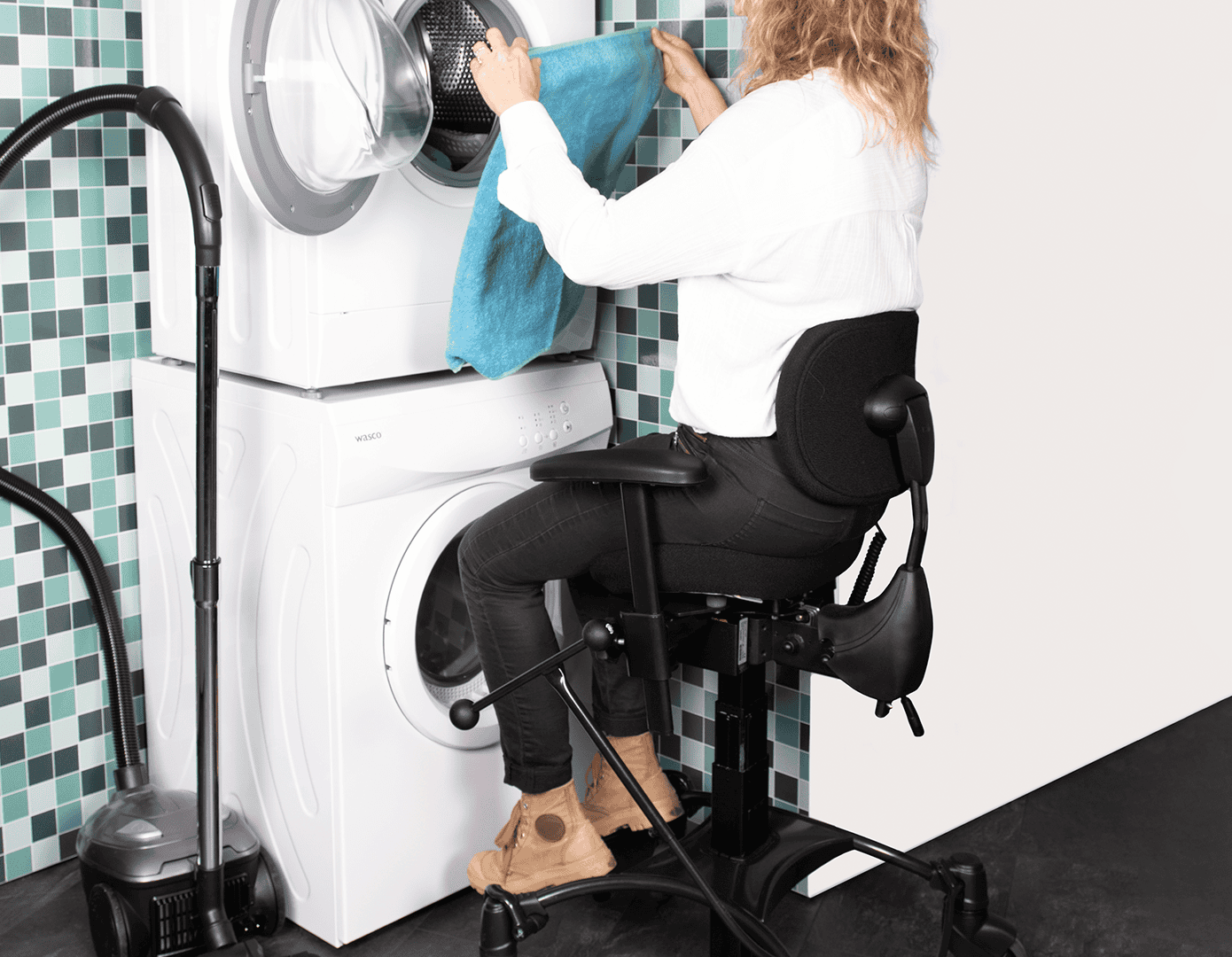
The VELA Chair remains instrumental in allowing seniors to maintain independence within their own homes, but its effectiveness is further enhanced when integrated with modern assistive technologies described above. Addressing challenges such as safety, daily energy management, and smoother transitions between activities, these chairs and associated support solutions delay potential institutionalization. For further information on empowering independence with advanced products, see Mobility Aids for Elderly and Senior Chair Solutions.
References (2025 update)
- INTCO Medical, “Top 5 Cutting-Edge Equipment for Seniors in 2025”
- Healthline, “Some of the Best Assistive Devices for Elderly People – 2025 Update”
- University of Florida Institute on Aging, “Assistive Technology Devices Helping Seniors Age in Place”
- SeniorSite.org, “15 Best Assistive Devices for Elderly – Tested & Rated for 2025”
- National Center for Biotechnology Information (PMC), J Med Internet Res. 2024 Jul 30;26:e58846
- BCC Research, “The Growing Market for Elderly and Disabled Assistive Devices”
- World Health Organization (WHO), “Assistive technology – Fact Sheet”