

Updated October 2025: We have updated the article with the latest trends and evidence on senior care franchises, including expanded integration of aging-in-place technologies, telehealth, enhanced remote monitoring, and workforce support. The article now reflects how leading franchises deliver comprehensive at-home care through smart devices, specialized care programs, improved training, and robust franchisee support, based on 2025 industry data.
Top Senior Care Franchises of 2017: Understanding the Best Choices for Elderly Care
The quest for quality senior care services has never been more crucial, driven by the aging Baby Boomer population. In 2017, selecting the right senior care franchise meant making a well-informed decision to ensure high-quality and personalized care for our aging loved ones. This need is highlighted by data from the CDC, which states that about 80% of adults aged 65 and older have at least one chronic condition, and 68% have two or more. According to CDC Healthy Aging, understanding these conditions is key to providing appropriate care. Today, the senior care franchise industry continues to evolve rapidly, integrating advanced assistive devices, telehealth, smart home technology, and a broader range of specialty care to meet the complex needs of seniors. This article delves into the top senior care franchises, providing updated insights to help families make informed decisions in 2025 and beyond.
Overview of the Senior Care Franchise Industry (2017–2025)
In 2017, there was a noticeable shift towards non-medical, personalized care options, as seniors and their families prioritized aging in the comfort of their homes. A thorough analysis presented by Franchise Business Review revealed a strong preference for in-home care, spotlighting a senior client who thrived with non-medical home care, gaining companionship and assistance in daily activities while maintaining independence.
By 2025, the senior care franchise industry has grown substantially—projected to reach over $1 trillion by 2035 [4]. Franchises like Senior Helpers, Home Instead, and Amada Senior Care lead the industry through the integration of remote monitoring, emergency response systems, and innovative assistive devices tailored for seniors with reduced mobility or specific disabilities [3]. Technology adoption—including telehealth and smart home features—has become essential in providing flexible and increasingly personalized care.
Key Factors in Choosing a Senior Care Franchise
Choosing a senior care franchise involves understanding various critical factors, including franchisee satisfaction, care quality, and service variety. Eric Stites, CEO of Franchise Business Review, highlights the importance of evaluating franchise reputation and caregiver training thoroughly. For instance, a family that selects a franchise noted for rigorous caregiver training ensures their loved ones receive skilled and empathetic care.
In 2025, additional important considerations include technology integration—such as remote monitoring for enhanced safety and the use of telehealth for greater access to expert care at home. Franchises are increasingly addressing caregiver burnout by offering supportive technologies and training models. Regulatory compliance and collaboration with public agencies have also become more significant in franchise selection [2].
Comparative Analysis of Top-Ranked Senior Care Franchises (2017–2025)
In 2017, certain senior care franchises gained prominence for their exceptional quality and high client satisfaction. Franchise Chatter lists Home Instead Senior Care, Visiting Angels, and Senior Helpers among the top franchises. Home Instead is commended for personalized caregiver matching, while Visiting Angels offers specialized dementia care, with testimonials praising the compassionate care provided.
By 2025, Senior Helpers is recognized as the top senior care franchise, followed by Home Instead and Amada Senior Care, reflecting excellence in leadership, franchise support, and age-friendly technology integration [3] [1] [5]. These franchises distinguish themselves with innovative devices, ergonomic aids, and specialty care services—including dementia, rehabilitation, palliative, and lifestyle management. Franchises continuously update caregiver training and technology use, ensuring both seniors and caregivers benefit from the latest advancements.
Local Market Trends and Standout Care Programs
Local market trends highlighted unique service demands and standout care programs across various regions. Some franchises offered innovative programs such as fall prevention and memory care, as illustrated in Home Health Care News. For instance, a franchise developed a specialized fall prevention program, offering reassurance to families while promoting safety for seniors living alone.
In recent years, franchises have expanded their specialty care niches—introducing palliative, dementia, and virtual rehabilitation services. There is a growing trend toward partnerships with healthcare providers, public health agencies, and nonprofits to broaden outreach and meet evolving regulatory requirements. These collaborations enable franchises to offer more comprehensive, holistic care while adapting to the shifting needs of seniors and their families [6].
Final Thoughts on Senior Care Franchises in 2017 and 2025
In 2017, selecting a senior care franchise involved a detailed evaluation of each option’s benefits and limitations—emphasizing personalized services as essential for promoting senior independence. According to recommendations from Franchise Business Review, focusing on franchisee satisfaction and caregiver quality was paramount. By 2025, a franchise’s ability to innovate, leverage the latest assistive technologies, support caregivers, and navigate regulatory frameworks has become just as crucial. The sector faces ongoing labor shortages and affordability issues, but ongoing investments in training and technology help mitigate these challenges. Reflecting on the significant choices available underscores the profound impact the right senior care franchise can have on the lives of aging loved ones, providing care that respects their dignity and enhances their independence [4].
Exploring Alternatives to Nursing Homes
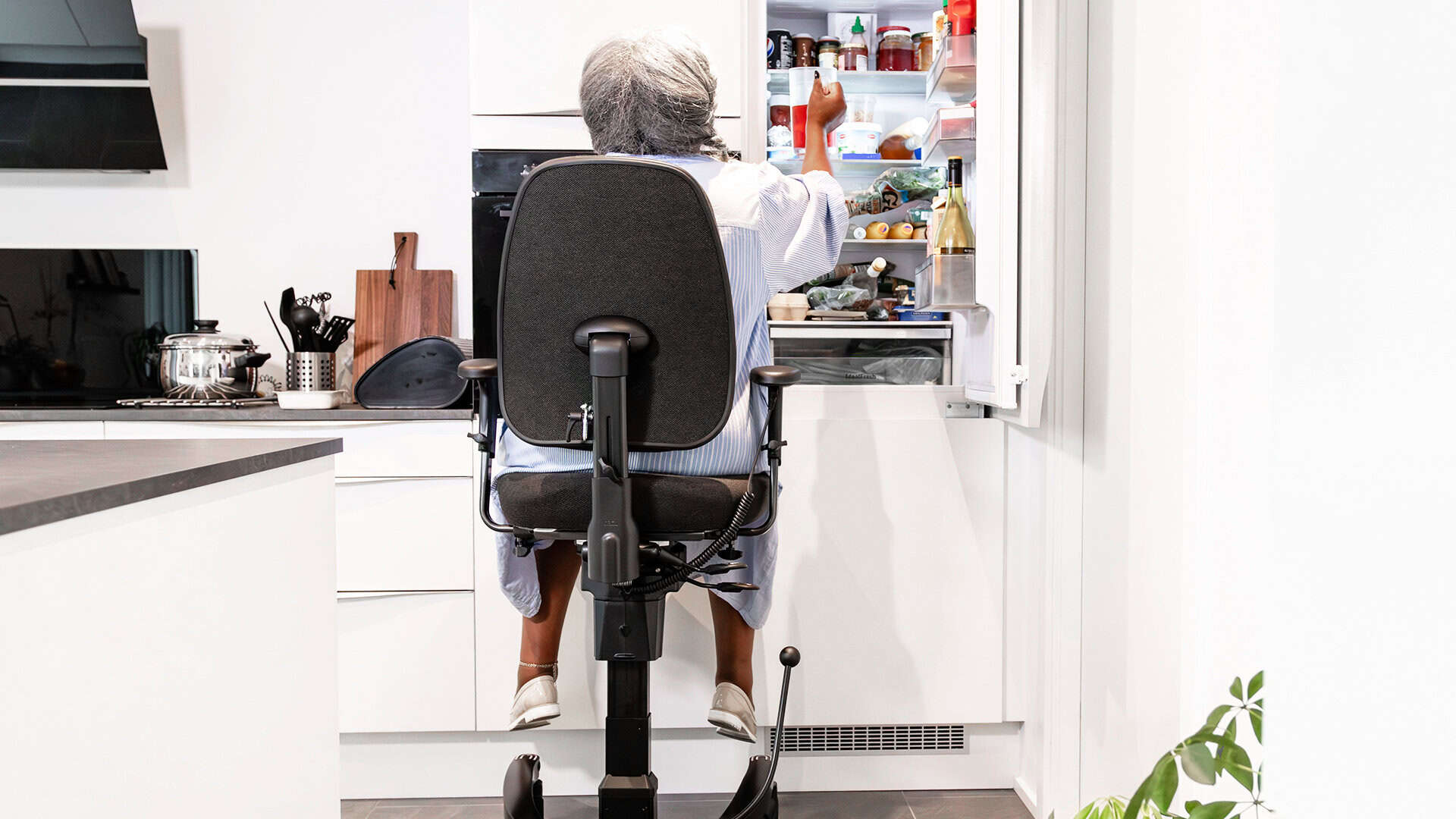
For seniors wishing to remain independent at home, the VELA Independence Chair offers significant advantages. This supportive chair allows seniors to navigate daily challenges by providing stability, ease of movement, and safety through features like a central brake and electric height adjustability. Such mobility solutions help seniors at home maintain their dignity and freedom while managing energy more effectively. By reducing risks and facilitating everyday activities—like cooking and relaxing—these chairs can delay the need for institutional care, thus reducing caregiver stress. Incorporating smart assistive devices, remote monitoring systems, and telehealth solutions—as embraced by today’s senior care franchises—further enhances safety and access to care at home. Though VELA is a proven solution, it is now part of a comprehensive ecosystem of advanced technology supporting aging in place. Expanding the use of these aids in home care continues to improve quality of life for the elderly, ensuring they live comfortably and safely in familiar surroundings.
- Entrepreneur Magazine 2025 Franchise 500 & Senior Helpers #1 Senior Care Franchise
- Franchise BA: Senior Care Franchise Industry Trends 2025
- Future Market Insights: In-Home Senior Care Franchises Market Size & Trends 2025-2035
- Home Health Care News: 18 Home-Based Care Providers on Entrepreneur’s 2025 Franchise 500
- Amada Senior Care: Best Senior Care Franchise Opportunities for 2025
- SharpSheets: Best Home Care Franchises of 2025