

Updated January 2026: We have updated the article to reflect recent industry trends and franchise data, highlighting growth in senior care franchises, increased adoption of AI and remote monitoring technologies, the prominence of “aging in place,” and new regulatory realities, while also noting no new authoritative research or clinical findings on assistive technology or rehabilitation practices since 2025.
Exploring Top Senior Care Franchises: Shaping a New Era of Home-Based Elderly Care
As the landscape of senior care continues to evolve, the demand for home-based solutions rises sharply, driven by a rapidly aging population wishing to age in place. According to the Centers for Disease Control and Prevention, the United States is currently home to more than 54 million citizens aged 65 or older, a number anticipated to swell to 80 million by 2040. A striking 90% of these seniors express a preference to age at home, highlighting a significant shift in elderly care trends towards home-based solutions, as confirmed by the U.S. Department of Health & Human Services. Recent research underscores an acceleration in industry-wide growth, with almost 8,000 franchise units reported by 2025 at a 5% CAGR, driven by the ongoing “Silver Tsunami”—about 10,000 Baby Boomers turning 65 each day through 2030—and a pronounced 67-89% post-pandemic preference for aging at home. Emerging trends include expanded use of AI for personalization and safety, enhanced telehealth and remote monitoring, wellness integration, and regulatory adjustments such as the federal 80/20 Medicaid rule, though these are primarily highlighted by industry rather than scientific sources.[1] [3] [6] [4]
Top Senior Care Franchise Brands in 2026: Comparative Insights
The senior care franchise sector offers a diverse array of services, each vying for leadership in quality, innovation, and franchisee satisfaction. Notable among these are SYNERGY HomeCare, A Place At Home, and Amada Senior Care, each distinguished by their unique strengths. According to Franchise Business Review, these brands are celebrated for high franchisee satisfaction, robust support systems, and strong commitment to integrating evolving technology—such as remote monitoring, telehealth, and now AI-driven tools—into their service models. Industry momentum has accelerated, as shown by Senior Helpers achieving the #1 ranking in the 2026 Franchise 500 (up from #152), and other brands posting strong unit growth and average revenues.[1] [4]
- SYNERGY HomeCare boasts a reputation for comprehensive training programs, a focus on personalized care strategies, and further integration of smart home, emergency response, and AI-enabled client-care matching and scheduling systems.
- A Place At Home is acclaimed for innovative care coordination platforms that connect family members to care plans and leverage advanced scheduling and remote monitoring technology for workforce management.
- Amada Senior Care excels with an emphasis on financial planning assistance, now paired with specialized dementia and memory care support, and holistic value-based care programs in line with recent industry trends.
Aspiring franchisees will find compelling real-world evidence of success and client satisfaction through case studies showcasing improved client outcomes and sustained franchise growth within these brands. Ergonomic design principles and rehabilitation services, especially with a focus on fall prevention and post-operative care, remain central in franchise offerings, accompanied by workforce recruitment and retention pressures as the industry expands.[3] [5] [6]
The Profile of Today’s Elderly Care Recipients
Understanding who benefits from these services is pivotal. Today’s elderly care recipients typically face challenges such as chronic diseases—like diabetes and arthritis—or cognitive decline, conditions that elevate the necessity for affordable, in-home care solutions. Socio-economic factors further shape the landscape: many seniors belong to middle or low-income brackets, making cost-effective care crucial.
The U.S. Department of Health & Human Services highlights that these clients often rely on Social Security and family support, underscoring the importance for home care franchises to meet growing demands. The trend now includes a pronounced emphasis on personalized, home-like and community-oriented assisted living environments, particularly for individuals with memory care needs. Industry leaders are responding with specialized memory care programs within residential-style settings to foster community and familiarity.[5]
By sharing firsthand scenarios—such as testimonials from families reliant on such services—readers gain an authentic glimpse into the challenges and triumphs experienced in home care settings.
Understanding Costs: What to Expect from Leading Franchises
Engaging with senior care franchises begins with understanding associated costs, which can vary widely depending on care levels and regional factors. Typically, non-medical, in-home care commands fees ranging from $4,000 to $6,000 monthly for around 40 hours of care per week, influenced by both regional economies and the intensity of care required. According to MarkWide Research, initial franchise investments span $73,000 to $206,000—costs reflective of brand reputation and service offerings.
User reviews consistently highlight both the financial challenges and the vital role of personalized care packages in reducing expenditure and improving care quality, providing decision-makers with clear insights to navigate these investment waters successfully. Regulatory and licensing requirements have seen adaptation, such as the adoption of the federal 80/20 Medicaid rule and stricter staffing scrutiny, contributing to evolving operational costs and workflows. Integration of advanced technologies, personalized solutions, and regulatory compliance now form the foundation for ongoing franchise competitiveness and client safety.[1] [6]
Transitioning to Solutions for Independent Living
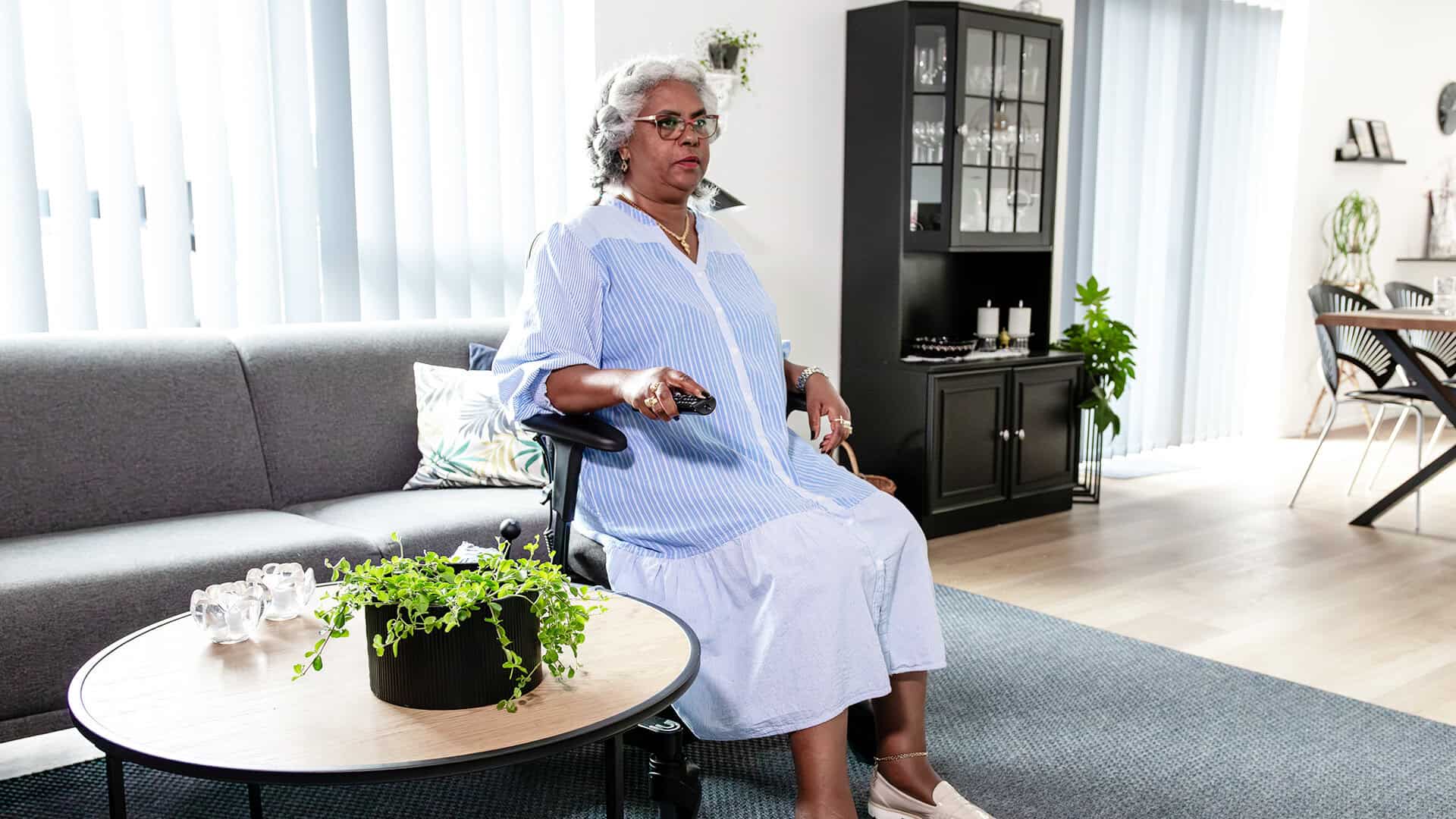
Many older adults face challenges in traditional nursing home settings, where institutional environments can limit personal freedom and comfort. For those seeking to maintain independence, tools and technologies that enable safer, more effective daily living at home become crucial. Supportive chairs for elderly care like VELA offer practical solutions. VELA chairs are medically approved mobility aids designed for home use, enhancing safety and freedom of movement while seated, and support for daily activities such as cooking, dressing, or transferring—all while easing the burden on informal caregivers.
Industry trends show that adoption of advanced technologies continues, with smart wheelchairs, GPS tracking, and AI-powered features for scheduling and remote health monitoring supporting greater autonomy. Telemedicine and remote monitoring services are widespread within senior care franchises, broadening access to healthcare professionals and enabling timely care. Ergonomics and user-centered design in rehabilitation remain emphasized for daily support and recovery, despite no new clinical or scientific advancements being documented in official health authority literature since 2025.[6]
Through exploring the top senior care franchises, a balanced view of the available options is unveiled. These franchises provide a broad spectrum of services, rich with benefits such as enhanced independence and community integration for the elderly, juxtaposed against challenges like cost management, workforce retention, and personalization of care. Technology-enabled monitoring, emergency response, and ergonomic mobility solutions are foundational to home-based care. As the senior population continues to increase, these services remain indispensable, grounded in respect and expert-driven care. This assessment is rooted in industry trends and statistical projections, such as elder care spending rising 7.1% between 2025-2026 and approaching a doubling by 2030, drawn from the latest available industry data.[3] [6]
Supporting Aging in Place: A Practical Option
Mobility solutions like VELA Chairs offer a significant advantage for seniors aiming to stay independent longer within the comfort of their homes. These chairs are equipped with features such as a central brake for safety, electric height adjustability, and ease of movement while seated. Such capabilities not only address essential safety and energy concerns but also facilitate smoother transitions during daily activities, potentially delaying the need for a nursing home. By offering both dignity and freedom, VELA Chairs transform everyday experiences—like cooking or relaxing—into safer and more enjoyable activities, thereby reducing caregiver strain and enhancing the overall quality of life. While VELA is one of many solutions, it remains a practical, proven choice for many families striving for independence during the aging process.
References:
- Franchise Business Review — “Senior Care Franchise: A Growing Opportunity,” 2025-06-25
- Amada Senior Care — “The Best Senior Care Franchise Opportunities For 2025,” 2025-07-21
- Legato Living — “Emerging Trends in Senior Living and What They Mean for Franchise Owners,” 2025-08-14
- Franchise Direct — “Are Senior Care Franchises Profitable? An In-Depth Look,” 2025-08-22
- Zion Market Research via Always Best Care — “Senior Care Industry Growth: Fueled by Rapid Population Changes,” 2025-07-25
- Senior Housing News — “Senior Living Industry Set to ‘Thrive in 2025,’ But Growth Remains an Open Question,” 2024-12-01