

Updated February 2026: We have updated the article to reflect the latest advancements in elderly care, focusing on AI-driven assistive technologies, remote monitoring wearables, robotics for mobility, telehealth integration for aging in place, regulatory shifts toward enhanced staffing and medication management, and the high adoption of preventive technologies in response to caregiver shortages.
Comprehensive Guide to Elderly Care Options in 2025
As we approach 2025, the landscape of elderly care becomes increasingly significant, reflecting the needs of a rapidly growing senior population. With 26 states projected to have at least 20% of their populations aged 65 or older by 2025, understanding and navigating the various types of care for elderly is more urgent than ever. According to ConsumerAffairs, this demographic shift demands comprehensive strategies in elderly care, and this guide aims to provide clarity and insight into the diverse care options available to seniors, helping families and caregivers make well-informed decisions.
In-Home Care Services: Maintaining Independence at Home
For many seniors, the desire to age in place is strong, making in-home care services a popular option. These services provide the necessary support to help seniors maintain their independence within their own homes. Modern in-home care increasingly leverages smart, AI-driven technologies—including remote monitoring wearables and robotics—which promote safety, proactive health management, and a reduced reliance on traditional human caregivers.[1][3][6][7][8]
Personal Care Services
Personal care services focus on daily living activities, assisting seniors with tasks such as bathing, dressing, and grooming. Mrs. Thompson, aged 82, manages her arthritis through in-home personal care, enhancing her quality of life while preserving her independence. According to the National Institute on Aging, these services are integral to preserving seniors’ dignity and independence. Implementation of ergonomic AI tools and voice-activated aids further support individualized, safe personal care at home.[3][6][7]
Home Health Care
Home health care delivers medical services directly to seniors’ homes, administered by licensed professionals. These services include medication management, wound care, and therapy, beneficial for seniors in recovery or managing chronic conditions. Accurate management of these services requires understanding specific medical requirements and potential risks, ensuring safe and effective care. The post-2025 landscape now incorporates telehealth platforms and remote monitoring, allowing real-time health tracking and virtual consultations for increased safety and proactive care management. Innovations such as AI-driven data analysis support personalized rehabilitation, while home-based wellness technology supports the preference among 75% of seniors to remain at home.[1][3][4][6][7][8]
Household Assistance
Household assistance services support a safe living environment by handling cleaning, meal preparation, and errands. These practical services reduce physical strain and ensure seniors live in an organized home environment, contributing to their overall well-being. Many providers are integrating eco-friendly practices and technology—including AI planning tools—to deliver these services more sustainably and efficiently.[5][7]
Companion Services
Combatting loneliness and promoting mental well-being, companion services provide emotional and social support through engagement in conversations and activities. These services are crucial for seniors living alone, fostering a sense of companionship and community. Mr. Smith, for instance, benefits immensely from weekly visits by a companion who shares his interest in gardening. Increasingly, companion and social engagement services incorporate digital programs, virtual platforms, and AI-driven mental health monitoring to reduce social isolation and support ongoing cognitive health. Currently, 65% of seniors express interest in technology for well-being tracking and social connection.[2][6][7]
Community-Based Support: Engaging and Safe Daytime Solutions
Community-based support offers seniors opportunities to engage in social activities and receive care during the day, balancing their needs and alleviating caregiver burdens. There is a growing adoption of inclusive design, user-informed programming, and technologies—including VR for cognitive rehabilitation and AI-driven activity planning—supporting participation by a diverse range of abilities and backgrounds.[4][7]
Adult Day Care
Adult day care settings provide structured activities designed to enhance cognitive and physical health, along with meals and personal care. Mr. Lopez attends a local adult day care facility, remaining socially active while his daughter works. According to Eden Senior Health Care, these environments maintain seniors’ social well-being. The latest trends show a stronger emphasis on technology-enabled wellness, mental health, and vibrant, personalized social calendars to foster ongoing engagement, including telehealth and digital engagement platforms.[1][5][6][7]
Respite Care
Respite care provides essential temporary relief for primary caregivers, offering a break while ensuring continuous care for elderly loved ones. This arrangement prevents caregiver burnout and supports sustainable care solutions, essential for long-term caregiver engagement. Advances in remote monitoring and telehealth facilitate more flexible and personalized respite care options—including hybrid and a la carte technology-enhanced services—to support positive experiences for both caregivers and seniors.[2][3][6][7]
Residential Care Facilities: Comprehensive and Specialized Environments
When higher levels of care are necessary, residential care facilities offer specialized environments suited to varying needs. New regulatory and clinical guidelines increasingly emphasize value-based, person-centered care, with integrated support and sustainability in both operations and building design. Recent policy changes include stricter staffing ratios, medication management standards, and expanded Medicare Advantage coverage for preventive and technology-enabled care.[3][4][5][6][7]
Assisted Living Communities
Assisted living communities offer a balance of independence and support, providing personal care services, medication management, and social activities. They are ideal for seniors requiring regular assistance but not intensive medical care, promoting a supportive environment. Many communities now incorporate AI-driven care plans, smart mobility and safety devices, and enhanced environmental inclusivity—such as robotics for mobility and health monitoring—to meet the varied needs and preferences of a diverse aging population. Ergonomic, dementia-friendly, and tech-integrated designs support both independent and supported living.[1][3][4][5][6][7]
Memory Care Facilities
Specializing in dementia care, memory care facilities offer secure, structured settings tailored to individuals with cognitive challenges. The Johnson family chose such a facility for their mother with Alzheimer’s, ensuring safety and routine according to her needs. Recent improvements include programmable environments, the introduction of AI-assisted safety, and the use of VR for cognitive engagement and emotional well-being.[4][7]
Skilled Nursing Facilities
Providing 24-hour medical care, skilled nursing facilities cater to seniors with complex health needs, offering rehabilitation services and management of chronic conditions. These facilities are critical for seniors requiring constant professional oversight. Integrated technology—including remote monitoring, predictive analytics, and robotics for mobility—facilitates more effective care delivery, proactive fall detection, and support for regulatory compliance, thereby addressing the national caregiver shortage and shifting toward a 3:1 caregiver-to-senior ratio.[1][3][4][6][7][8]
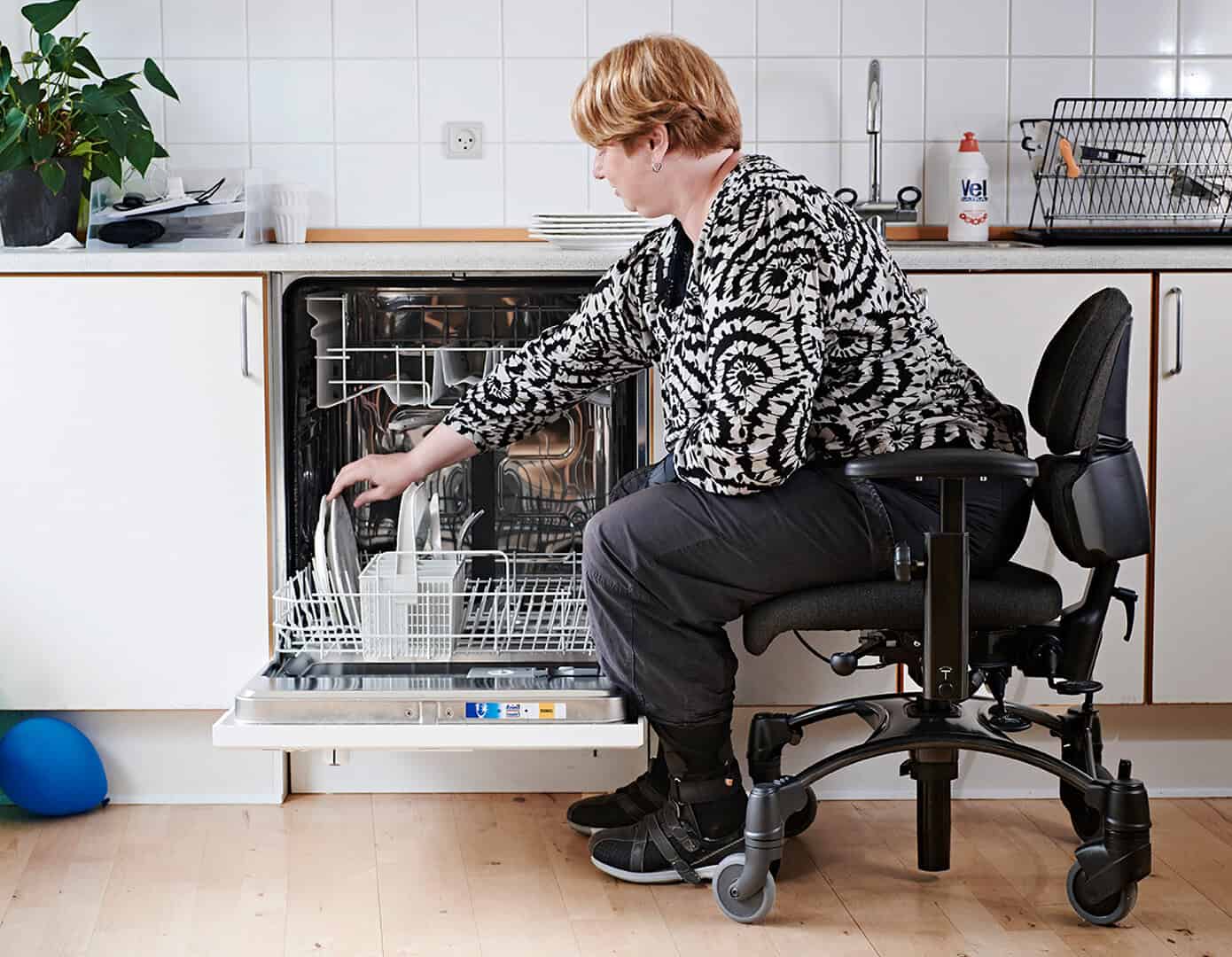
As residential care facilities cater to more intensive needs, many seniors and their families seek methods to extend independence at home, exploring solutions that alleviate the need for such environments. One innovative solution is the VELA Independence Chair—a medically approved mobility chair designed specifically for use within the home. It enhances both safety and freedom of movement while seated and supports daily activities such as cooking, dressing, or transferring. By mitigating the physical demands on informal caregivers, it helps seniors maintain autonomy longer in their own homes. The growing focus on ergonomic, user-friendly, and inclusive design further ensures such products meet the wide-ranging needs of today’s seniors, including support for AI monitoring and remote assistance integration.[3][4][7]
Tailoring Care Solutions for Seniors
Selecting the right care involves evaluating health needs, independence levels, financial resources, and personal preferences. According to Premier Health Care Inc., personalized care plans ensure that each senior receives the necessary support, preserving dignity and well-being. Modern care planning combines AI recommendations with clinician, caregiver, and senior input, adapting support plans in real time for higher engagement and well-being.[1][3][4][6][7]
Challenges in the Elderly Care Landscape
States with growing senior populations face challenges such as workforce shortages and increased strain on healthcare systems. According to Commonwise Home Care, addressing these issues is essential for sustainable elderly care solutions. Today’s persistent workforce shortages are fueling rapid innovation in staff recruitment, robotics, training, and retention strategies, alongside the continual adoption of eco-conscious practices and preventive technologies to meet rising demand and support a healthy balance between human and AI care.[3][5][7][8]
This guide outlines a comprehensive framework for navigating elderly care in 2025 and beyond, equipping families and caregivers with the tools needed to make strategic, compassionate decisions tailored to their loved ones’ needs.
Staying independent at home is a practical goal for many seniors, and tools like the VELA Independence Chair address key challenges. Designed to enhance safety and conserve energy, the chair’s central brake provides a secure foundation, while its electric height adjustability enables easy transitions. This means seniors can engage in everyday tasks like cooking or reaching higher shelves with ease and confidence, reducing the likelihood of accidents. The mobility feature allows for effortless movement between different areas of the home, lowering the physical burden on caregivers. While VELA offers proven benefits, it is one among various aids—including AI-powered and wearable alarms—that can be integrated into comprehensive plans to support seniors who wish to age in place. The freedom and dignity preserved by these modern solutions delay the need for more institutionalized care, supporting a higher quality of life at home.[3][6][7][8]
Sources:
- [1] Health Dimensions Group. 2025 Top Trends in Aging Services. 2025.
- [2] Align Senior Care. “Senior Living Trends | 2025 Senior Health Trends.” 2025.
- [3] Senior Housing News: HDG Execs on 2026 Trends. 2026.
- [4] Provider Magazine: Long-Term Care 2026 Trends and Outlook. 2026.
- [5] Standards Sunrise Foundation. “The Future of Senior Living.” 2025.
- [6] AANP: Top Five Health Care Trends for 2026. 2026.
- [7] Gensler: Trends in Future Senior Living. 2026.
- [8] PRB: Trends Reshaping Aging Health. 2026.