

Updated February 2026: We have updated the article with new findings highlighting the rapid adoption of AI and smart home technologies for aging in place, the prominence of robotic exoskeletons and virtual therapy for mobility rehabilitation, expanded roles for personalized AI-driven care plans and telehealth, as well as new 2026 regulatory standards for medication management and staffing. Inclusive, sustainable, and dementia-friendly care environments are now emphasized for comprehensive and preventive elderly care.
Navigating the diverse world of elderly care: a comprehensive guide
With the U.S. senior population growing by 34.6% between 2012 and 2022, and projections suggesting that 23% of the population will be 65 or older by 2050, understanding the different types of elderly care is more crucial than ever. As families look to find the most suitable care solutions for their loved ones, this guide aims to clarify the range of options available.
Exploring independent and assisted living communities
Independent living communities cater to seniors who are self-sufficient but desire a lifestyle that includes social engagement and convenience. According to Consumer Affairs, these communities offer private housing options, transportation services, and a variety of social activities, emphasizing a vibrant, maintenance-free lifestyle without healthcare services. This setup resembles a college campus for older adults, providing an enriching environment.
For seniors who require assistance with daily activities but do not need intensive medical care, assisted living facilities bridge the gap. These facilities offer private rooms, meals, housekeeping, and 24-hour supervision. As highlighted by Eden Senior Care, help with activities of daily living such as medication management is provided, making them a suitable choice for those needing some degree of help. Many find the environment supportive and engaging, with personal care plans tailored to individual needs. Increasingly in 2026, these settings are leveraging AI-powered health monitors and fall detection sensors, offering smarter support and care personalization, and integrating unified digital care platforms to streamline services and promote safety.[1][6]
Real-life example
Consider Mary, who initially thrived in an independent living community but later found assisted living more suitable as her care needs increased. This transition allowed her to maintain her social connections while receiving the additional support she required. Her experience underlines the importance of adaptable care options as needs change.
Navigating memory care and skilled nursing facilities
Memory care facilities specialize in addressing the complex needs of individuals with dementia or Alzheimer’s. As described by Pacific Angels Home Care, these facilities provide a secure environment tailored for cognitive challenges, with highly trained staff dedicated to offering personalized care. In recent years, advancements have included smart technologies for cognitive engagement, personalized memory care plans, and environments designed to stimulate well-being through sensory experiences and social programs. In 2026, these programs increasingly integrate brain health initiatives such as virtual reality reminiscence therapy, AI-driven monitoring systems, and sustainable, dementia-friendly designs.[1][2][4]
Skilled nursing facilities, or nursing homes, provide comprehensive medical care for seniors with significant health needs. They offer round-the-clock professional healthcare and rehabilitation services, catering to both short-term and long-term solutions. Skilled nursing facilities are ideal for those requiring ongoing medical supervision or rehabilitation following hospitalization. These environments now adopt robotic exoskeletons for mobility training, AI-personalized rehabilitation programs—including technology-enabled virtual therapy—and stricter standards in medication management and staffing ratios under revised 2026 regulations to optimize safety and care quality.[4][7][3]
Real-life example
After John’s family noticed the progression of his Alzheimer’s, they opted for a memory care facility where John could receive focused attention and care from trained professionals. This decision ensured his safety and well-being, providing his family peace of mind.
Home care and health care: aging in place
Home care services are designed for seniors who wish to age in place, offering non-medical assistance such as personal care, housekeeping, and companionship. Nurse Next Door notes the flexibility of home care, with arrangements adaptable to hourly or live-in needs and evolving senior requirements. Recent trends reveal the expansion of Medicare and other funding sources to make home and community-based services, including assistive devices and telehealth, more accessible to seniors—helping reduce the need for institutional care and alleviating caregiver burden.[3][5]
On the other hand, home health care involves medical professionals providing clinical support at home. This can include skilled nursing, physical therapy, and health condition monitoring, often prescribed post-hospitalization to promote recovery. Home-based care significantly enhances quality of life by enabling seniors to recover comfortably at home. In 2026, home care and health services now regularly utilize AI-enabled monitoring, wearable health technology, and virtual therapy platforms, allowing personalized care plans that adapt to real-time data and support continuous communication with remote healthcare providers. Robotic assistive devices, predictive fall detection sensors, and telehealth appointments are increasingly standard, promoting independence, mobility, and early intervention to prevent hospitalization.[5][7][2][1]
Real-life example
Following surgery, Mark utilized home health care, enabling him to recover comfortably at home with regular nurse visits providing medical care. This approach offered the medical attention he needed while ensuring his comfort and familiar surroundings.
Understanding respite, adult day care, and CCRCs
Respite care offers temporary relief for caregivers, ensuring that seniors continue to receive quality care while their primary caregivers take a much-needed break. Adult day care centers, conversely, provide structured daytime support and supervision, ideal for families with members who work during the day. Modern programs now prioritize holistic wellness, social engagement—sometimes through virtual social clubs—and individualized care, with a broadened focus on both mental and physical well-being. New practice in 2026 also includes digital brain health support, unified platforms for records and family communication, and sustainable, inclusive space design to increase accessibility.[1][2][6][4]
Continuing care retirement communities (CCRCs) represent a unique model, providing a full continuum of care within a single community. According to Paying for Senior Care, this model offers peace of mind for families planning for long-term care needs as seniors can transition smoothly through care levels without relocating. Increasingly, these communities are incorporating inclusive design, eco-friendly practices, and adaptable housing solutions—such as co-housing or modular units—to cater to a more diverse population. In 2026, CCRCs prioritize digital platforms for seamless care transitions, preventive wellness programs, and integration of AI health-monitoring systems for proactive and coordinated care.[3][1][5]
Real-life example
Sarah’s primary caregiver utilized respite care to prevent burnout, while Sarah enjoyed participating in various social activities during the respite. This approach balanced the caregiver’s needs with uninterrupted care for Sarah.
Maintaining independence with VELA mobility solutions
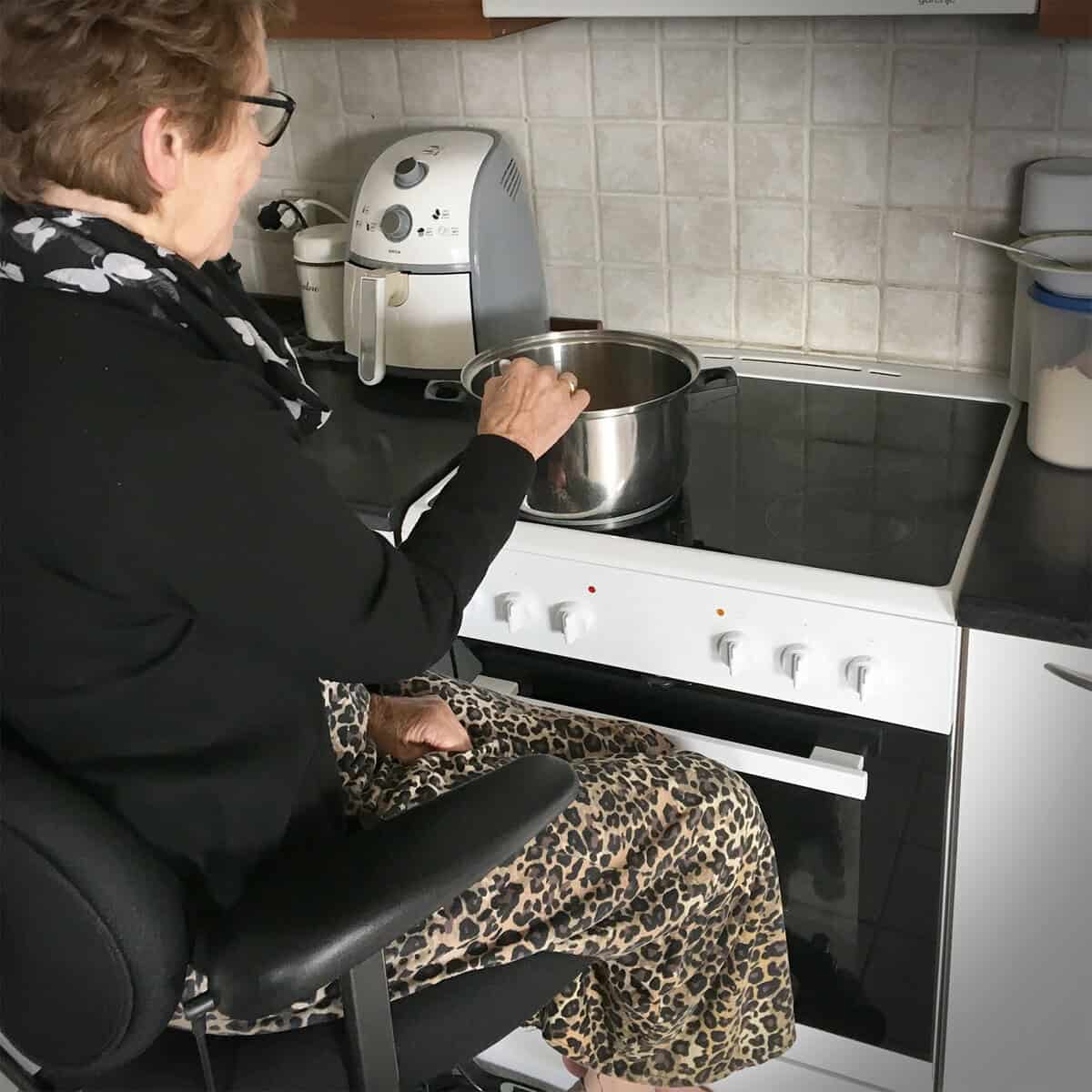
As discussed, nursing homes offer essential support for seniors with substantial medical needs, but alternative solutions can help older adults maintain independence at home. Integrating tools like VELA mobility chairs into home care can significantly enhance the safety and independence of seniors wishing to remain in familiar surroundings. The VELA Chair is a medically approved mobility aid designed for home use, providing increased safety and freedom of movement while seated. It also offers valuable support for daily activities such as cooking, dressing, or transferring, thereby reducing the burden on informal caregivers. These solutions complement the latest trends in assistive technologies, such as exoskeletons and AI-based mobility monitoring, further empowering seniors to age in place with dignity.[1][2][6]
Supporting aging in place: a practical option
VELA Chairs enable seniors to maintain independence at home longer by addressing key challenges like safety, energy conservation, and ease of transfers. Features such as a central brake for stability, electric height adjustability, and seamless movement while seated can make everyday tasks more manageable. These solutions can play a crucial role in delaying the need for nursing home care by fostering dignity, freedom, and enhanced quality of life. Recent trends in 2026 place emphasis on combining mobility aids with smart monitoring platforms, providing caregivers and professionals with real-time updates, fall prevention alerts, and integration into broader AI-powered care management.[6]
Imagine the ease of adjusting the chair’s height for safer transfers or pivoting smoothly from room to room, reducing the risk of falls. While no single solution fits all, options like VELA Chairs offer practical, proven support for aging in place. From enhancing accessibility in the kitchen to ensuring restful relaxation, these chairs emphasize safety and convenience without compromising personal autonomy.
References and further reading
- All Seniors, 2026 Senior Placement Trends: New Strategies for Aging Caregivers — covers smart home tech, robotics, and aging-in-place innovations
https://allseniors.org/articles/top-senior-placement-trends-for-2026-modern-strategies-for-aging-families/ - All Seniors, Latest Trends in Home Health for Elderly Caregivers 2026-2027 — details robotic exoskeletons, virtual therapy, and personalized AI care plans
https://allseniors.org/articles/emerging-home-health-services-for-seniors-trends-in-aging-care-2026/ - DosePacker, Senior Living Trends to Watch Out for in 2026 — discusses telehealth policies, medication regulations, and wellness personalization
https://dosepacker.com/blog/senior-living-trends - CCL-HG, The Top 10 Well-Being Trends Shaping Senior Living in 2026 — highlights preventive care, AI monitoring, and customized mobility programs
https://www.ccl-hg.com/perspectives/the-top-10-well-being-trends-shaping-senior-living-2026/ - Provider Magazine, Long Term Care 2026 Trends and Outlook — addresses high-acuity care, aging-in-place designs, and clinical diversification
https://www.providermagazine.com/Articles/Pages/Long-Term-Care-2026-Trends-and-Outlook.aspx - Helpany, Top Senior Living Trends for 2026 — focuses on AI platforms for mobility monitoring and fall prevention across care types
https://helpany.com/blog-post/top-senior-living-trends-for-2026/ - Juniper Communities, Senior Living Trends in 2025 — overview of personalized care, memory care innovations, and smart tech adoption
https://junipercommunities.com/senior-living-trends-in-2025/ - Heisinger Bluffs, The Future of Senior Living: Trends to Watch in 2025 — wellness, holistic care, and social engagement programs for seniors
https://www.hbrhc.com/blog/the-future-of-senior-living-trends-to-watch - NCHStats, 10 Must-Know U.S. Home Care Industry Stats for 2025 — Medicare expansion proposals and impacts on home care accessibility
https://nchstats.com/us-home-care-industry-stats/ - Standards Sunrise Foundation, The Future of Senior Living: What Seniors Can Expect in 2026 — inclusive, safe, and sustainable environments and social programming
https://www.standardsunrisefoundation.org/post/the-future-of-senior-living-what-seniors-can-expect-in-2026 - McKnight’s Senior Living, Seven trends in senior living that will define 2025 and beyond — tech-driven care management and diversification of senior housing models
https://www.mcknightsseniorliving.com/home/columns/guest-columns/seven-trends-in-senior-living-that-will-define-2025-and-beyond/ - Health Dimensions Group, 2025 Top Trends in Aging Services (PDF) — AI expansion, workforce challenges, and advanced care models including PACE and GUIDE dementia care
https://healthdimensionsgroup.com/wp-content/uploads/2024/12/2025-Top-Trends-in-Aging-Services_Health-Dimensions-Group.pdf - Align Senior Care, Senior Living Trends | 2025 Senior Health Trends — flexible, affordable housing models and support systems for solo agers
https://alignseniorcare.com/blog/2025-senior-health-trends/ - All Seniors, The Top Home Care Trends 2026 for Los Angeles Families — virtual care, wearable tech, and holistic, personalized caregiver support
https://allseniorscare.com/blog/the-top-home-care-trends-2026-for-los-angeles-families/ - Definitive Healthcare, Aging-in-Place Is Driving Innovation in Tech and Healthcare — nursing home closures, tech-driven home care, and value-based payment models
https://definitivehc.com/resources/healthcare-insights/aging-in-place-innovation-tech-healthcare