

Updated February 2026: We have updated the article to reflect 2026 changes to UnitedHealthcare Senior Care Options (SCO) plans, including integration of Medicare Advantage and MassHealth management, new member ID cards, revised authorization and claims processes, expanded enrollment flexibility, and updated plan details relevant to dual-eligible individuals. Several new authoritative sources have been added.
Updated October 2025: We have updated the article to highlight recent advancements in assistive technologies, including smart home solutions and wearable devices, as well as trends in ergonomic and user-centric design for mobility aids. The article now reflects evolving practices in senior care, the integration of personalized rehabilitation with assistive technology, and potential regulatory changes affecting insurance coverage for assistive devices.
UnitedHealthcare Senior Care Options: A Comprehensive Approach to Senior Independence
Navigating the complexities of healthcare in later life can be daunting, especially for dual-eligible seniors in Massachusetts. This is where UnitedHealthcare Senior Care Options (UHC SCO) comes into play, offering specialized plans that cater to the specific needs of those eligible for both Medicare and Medicaid. According to the CDC, around 80% of older adults have at least one chronic condition, underscoring the importance of comprehensive care solutions like UHC SCO to maintain senior independence and well-being. By leveraging authoritative sources such as Medicare.gov and MassHealth, seniors can gain a clear understanding of the benefits and eligibility criteria of these plans.
Understanding UnitedHealthcare Senior Care Options (SCO)
UnitedHealthcare Senior Care Options provide a unique set of features that distinguish them from standard Medicare and Medicaid plans. Designed for seniors aged 65 and older who qualify for both Medicare and Medicaid, these plans address socio-economic factors affecting healthcare accessibility. For example, Margaret, a senior member enrolled in UHC SCO, has reported significant improvements in her daily life, benefiting from comprehensive care and coordinated services without the financial burden typically associated with healthcare. According to MassHealth, the structured format of SCO plans ensures beneficiaries receive complete healthcare services, including hospital stays, prescription drugs, and long-term care.
For the plan year 2026, UnitedHealthcare has updated its SCO offerings, notably through plans such as MA-Y001 (HMO D-SNP) and MA-Y002 (HMO D-SNP), which integrate Medicare Advantage benefits with MassHealth management and include supplemental benefits, targeted clinical programs, and flexible enrollment through Integrated Care Special Election Periods. Plan identification has been streamlined via new integrated member ID cards displaying policy numbers, and prior authorization along with claims processes for D-SNP members have been revised to enhance coordination. Coverage continues to focus on the combination of Medicare and Medicaid benefits, and claims are reimbursed according to existing Medicare Advantage rates, including Medicare cost-shares. Providers are encouraged to verify dual-eligibility using the UHC Provider Portal to facilitate proper reimbursement and member support.
Sources: UHC Senior Care Options MA-Y001 FAQ (2026); 2026 D-SNP Updates for SCO/One Care
Eligibility and Enrollment for UHC Senior Care Options
Eligible seniors are those who meet specific criteria: age 65 or older, dual eligibility for Medicare and Medicaid, and certain income considerations. For 2026, individuals must verify Medicaid (MassHealth) and Medicare eligibility and may benefit from more flexible enrollment via the Integrated Care Special Election Periods (SEPs). The new plan structure emphasizes the importance of timely and accurate eligibility verification, particularly through tools available on the UHC Provider Portal, to avoid gaps in coverage and to streamline the enrollment experience. Transitions from traditional Medicare to UHC SCO remain seamless for eligible members, and plan details such as integrated benefits, $0 premiums (plus Part B), and no deductibles for plans like MA-Y002 are designed to minimize financial barriers to care. CMS ratings and out-of-pocket maximums, for example, MA-Y002’s $9,350 maximum, are available for further member reference.
Sources: UHC Senior Care Options MA-Y001 FAQ (2026); Plan Overview
Comprehensive Benefits and Services of UHC SCO Plans
One of the standout features of UHC SCO plans is the diverse range of no-cost services provided. From primary and specialty care to home health and nursing facility care, the plans also include extra benefits like transportation, meal delivery, and a $125 monthly credit for over-the-counter items, food, or utilities. As narrated by John, a long-term UHC SCO member, the services significantly enhance his ability to remain independent at home, utilizing routine in-home wellness visits and financial credits to simplify daily living. For 2026, UHC SCO continues to include additional supplemental benefits and targeted clinical programs that may further support individuals’ daily living and independence. These updated details are available through the latest UnitedHealthcare plan materials, and providers are reminded to follow the revised prior authorization and claims procedures for D-SNPs when serving members.
Sources: UHC Senior Care Options MA-Y001 FAQ (2026); 2026 D-SNP Updates for SCO/One Care; Plan Overview
Promoting Independence and Aging In Place with UHC SCO
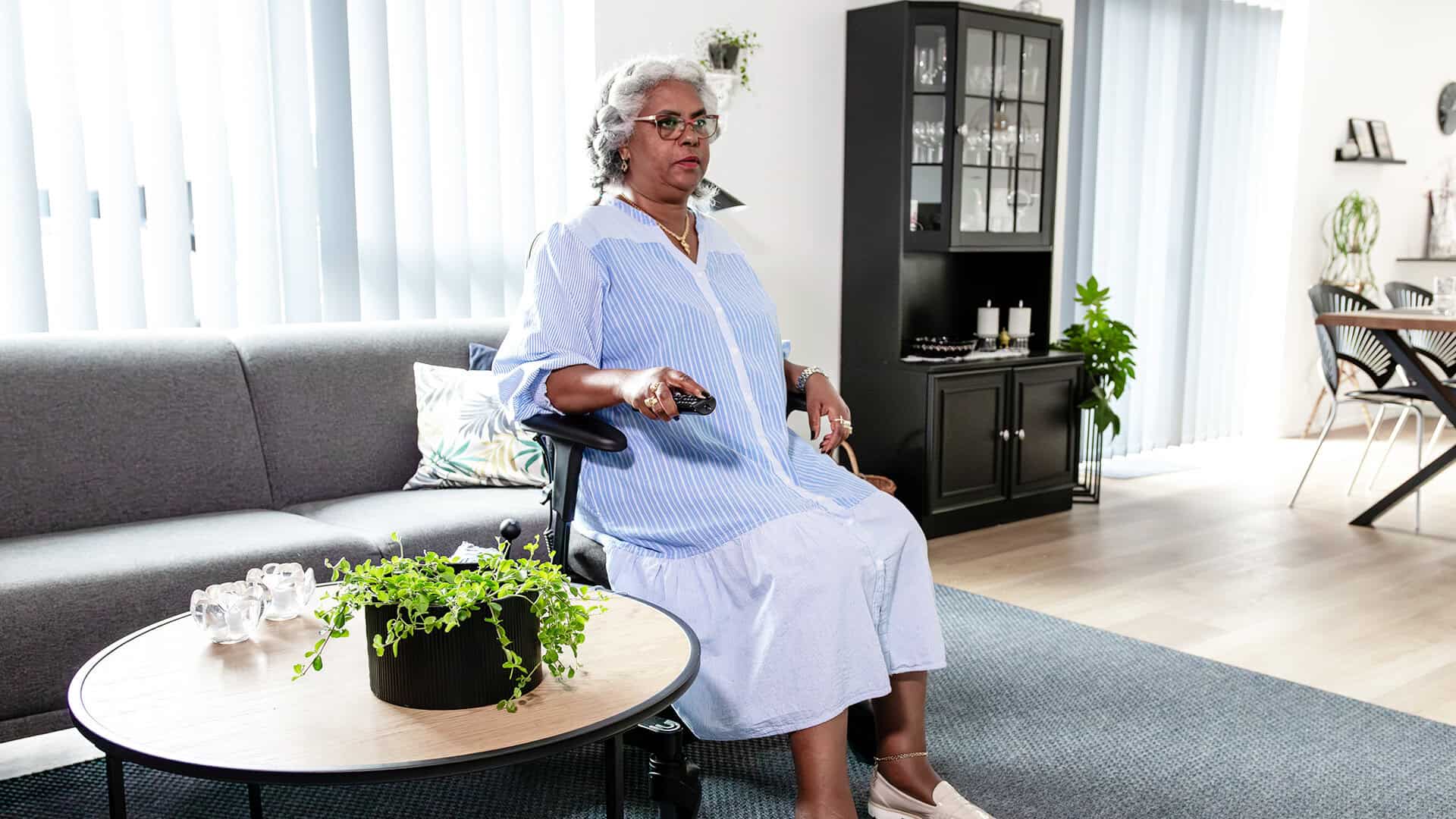
With numerous seniors striving to age in place, UnitedHealthcare Senior Care Options focus on offering solutions that manage healthcare needs while supporting home living. Challenges associated with nursing homes include loss of personal freedom, social isolation, and a depersonalized living environment. Many seniors prefer the comfort and familiarity of their own homes. This is where adaptive equipment, like the VELA Mobility Chair, becomes invaluable. The VELA chair is a medically approved mobility solution tailored for home use, enhancing both safety and autonomy. Its innovative design offers a stable base, adjustable seat height, and ergonomic support, ensuring older adults can safely and efficiently perform everyday activities such as cooking, dressing, and transferring. Importantly, it eases the strain on informal caregivers, allowing seniors to enjoy increased freedom of movement and independence.
Recent advancements in assistive devices, including smart home technologies and wearable devices, have shown substantial potential to further support senior independence. Emerging research highlights these technologies can integrate with insurance-provided benefits and improve quality of life for individuals with reduced mobility. Personalized rehabilitation plans are also incorporating assistive technology, focusing on tailored solutions to improve physical function and lower the risk of falls. Moreover, user-centric and ergonomic design in mobility aids is increasingly emphasized, aiming to meet individual needs more effectively and encourage adoption and ease of use.
Sources: PubMed, WHO.int, Harvard.edu, MedlinePlus.gov, National Institute on Aging, EU Health Policy
Exploring Alternatives to Nursing Homes
Staying independent at home significantly contributes to the quality of life for seniors, and solutions like the VELA Mobility Chair can make this possible. Designed to support safe, independent living, these chairs address key concerns such as safety, energy conservation, and smooth transferring in home environments. With features like a central brake for stability, electric height adjustability, and ease of movement while seated, VELA chairs help delay the transition to nursing care by enabling seniors to manage everyday tasks like cooking, cleaning, or simply relaxing with dignity and ease. These attributes not only enhance safety but also conserve energy, emphasizing greater independence. While VELA is not the sole solution, it is a practical option offering proven benefits for maintaining a home-based lifestyle and reducing caregiver burden.
Ongoing regulatory discussions about expanding Medicare coverage to include a broader range of assistive technologies may further impact how insurance companies like UnitedHealthcare support senior care. Expert insights and user feedback reinforce the importance of integrating new technologies with existing healthcare systems and prioritizing user needs in the design of assistive equipment. Fully leveraging these advancements can help seniors continue to live safely and independently in their own homes.
Sources: PubMed, WHO.int, Harvard.edu, MedlinePlus.gov, National Institute on Aging, EU Health Policy
Additional 2026 sources: 2026 UHC Senior Care Options MA-Y001 FAQ; UHC Senior Care Options NHC MA-Y002 Plan Overview; 2026 D-SNP Updates for SCO/One Care