

Updated February 2026: We have updated the article with the latest 2026 VA benefit changes, including a 2.8% COLA increase to Aid and Attendance rates and VA Pension net worth limits, new 12-month VA community care authorizations for standardized services, and clarification on proposed but un-enacted 2026 benefits cuts. The article also notes expanded caregiver supports, highlights the role of COLA in offsetting long-term care costs, and integrates current resource links.
Updated October 2025: We have updated the article with the latest 2025 VA benefit changes, including a 2.5% COLA increase, expanded caregiver stipends, and enhanced respite care. The article now highlights advances in smart assistive technology, AI-powered mobility devices, and user-centered design for veterans. Expanded details on caregiver programs, rehabilitation solutions, and access to cutting-edge assistive technology have also been included.
Veterans Benefits for Elderly Care: Comprehensive Guide for 2025
Navigating the complexities of elderly care presents unique challenges, especially for the over nine million older adults in the United States who have served in the military. Understanding and utilizing veterans benefits for elderly care can make a significant difference for these individuals and their families. According to the National Council on Aging, many veterans require specialized care due to service-connected disabilities. This guide explores the updates and options available in 2025, providing a roadmap to assist veterans in accessing crucial support.
Navigating VA Pension Benefits for Elderly Veterans in 2025-2026
The VA Pension is an essential benefit that helps offset the costs of elderly care. In 2026, the net worth limit for VA Pension eligibility was raised to $163,699, expanding access for more veterans and their families. The basic pension for a single veteran in 2025 could reach up to $1,413 per month, according to the 2025 Federal Benefits for Veterans, Dependents, and Survivors guide. The Department of Veterans Affairs introduced a 2.5% Cost-of-Living Adjustment (COLA) for 2025, followed by an additional 2.8% COLA in December 2025 for 2026 benefits, increasing disability compensation and pension rates to match inflation and help veterans address rising costs of care. For instance, consider a veteran like John, who has sustained a spinal cord injury and relies on VA Pension to afford in-home care, allowing him to maintain his quality of life. Understanding how to access and utilize these funds is crucial for veterans and their families.
Sources:
DAV.org, 2025
VCCHC, 2026
ElderLawAnswers, 2026
Maximizing Support with the Aid and Attendance Benefit
The Aid and Attendance Benefit offers additional financial aid to veterans already receiving the basic VA Pension and requiring assistance with daily activities. Effective December 1, 2025 for 2026, the VA raised Aid and Attendance (A&A) pension rates as follows: a single veteran may receive up to $2,424 monthly ($29,093 annually), a surviving spouse up to $1,558 monthly ($18,697 annually), and a couple up to $2,874 monthly ($34,488 annually) U.S. Department of Veterans Affairs. This benefit is also significant for the spouses of veterans, as exemplified by a spouse receiving Aid and Attendance to manage dementia care effectively. This program requires veterans to meet certain criteria, such as being over 65 or meeting other disability thresholds, to qualify. Eligibility and yearly rates are now automatically adjusted in line with the annual COLA updates.
Sources:
U.S. Department of Veterans Affairs, 2026
VCCHC, 2026
ElderLawAnswers, 2026
Comprehensive Health Care Solutions for Elderly Veterans
VA Health Care Benefits provide a range of medical services crucial for elderly veterans, including continuous nursing care, physical therapy, and pain management. Take the case of a veteran like Mary undergoing rehabilitation through VA health services—this example highlights the VA’s commitment to comprehensive care. In 2025 and continuing into 2026, VA health benefits support expanded home-based care and extended community-based care models designed to address complex needs such as PTSD and TBI. Community care authorizations have been extended to a full 12 months for 30 standardized services, reducing administrative burdens for ongoing treatments like rehabilitation or physical therapy DAV.org, 2025. New regulatory frameworks enable broader access to these advanced solutions and offer more inclusive eligibility criteria for caregiver support programs. However, it’s important to note that these services generally do not cover room and board in assisted living facilities, emphasizing the importance of understanding the scope of available benefits.
Sources:
VA Health Care Benefits Overview, 2025
DAV.org, 2025
Long-Term Care and Home Adaptations for Enhanced Living
For veterans needing sustained support, the VA offers various long-term care programs and home modification grants. These initiatives are designed to improve living conditions for veterans requiring daily assistance. An illustration of this is a veteran like Sam, who uses a home adaptation grant to improve mobility after a limb amputation, showing the VA’s commitment to enhancing veteran living standards. As of 2026, eligibility has expanded for caregiver support and respite care programs: caregiver stipends are now available to veterans of all service eras, and veterans may access up to 30 days of VA-supported respite care services annually—including temporary in-home, adult day health, or institutional care—to provide relief for family caregivers. Explore options at Benefits VA.
Sources:
Operation Family Fund, 2025
Key 2026 Policy Updates and Guidance for Veterans and Caregivers
The 2026 policy landscape includes several notable changes: the 2.8% COLA increase to A&A, expanded net worth limits for VA Pension, and yearlong community care authorizations for frequently used services. Proposed federal benefit cuts for 2026 (such as a 30% reduction in payment rates at age 67 for new applicants and limits to TDIU benefits) remain under consideration but have NOT been enacted as of February 2026. Veterans and families should monitor these proposals, as changes may affect future eligibility or payment amounts VA Claims Insider, 2026.
Sources:
VA Claims Insider, 2026
Innovative Assistive Technologies Transforming Veteran Care in 2025-2026
Significant advancements in assistive technology have expanded the options available to elderly veterans seeking greater mobility and independence. In 2025 and 2026, new trends include the widespread adoption of smart wheelchairs with autonomous navigation, pressure monitoring, and app-based controls, empowered by AI and IoT integration. These smart mobility devices enable veterans to use familiar equipment upgraded with sophisticated features to maintain independence and safety. Powered wheelchairs now include improved mechanics and shared control systems for easier, more ergonomic operation.
Other major innovations include brain-computer interface (BCI) prosthetics and wearable exoskeletons that provide enhanced mobility and intuitive rehabilitation, as well as functional electrical stimulation devices for muscle re-education. Powered prosthetics now feature advanced user interfaces and offer a more natural user experience. Emphasis on user-centered design, inclusive product development, and evidence-based customization has resulted in assistive solutions that better fit the unique needs of elderly veterans. New training modules for caregivers offer specialized support in managing complex conditions, such as PTSD or TBI, and are grounded in current research and clinical best practices.
The assistive technology market is projected to grow substantially (by USD 6.3 billion from 2025 to 2029) as more veterans adopt smart solutions and the prevalence of orthopedic and neurological conditions rises. Robust collaboration between manufacturers, clinicians, and veterans themselves is driving further innovation in accessible, ergonomic design and inclusive usability. While expanded benefits and funding are helping veterans access such technology, challenges persist related to funding, device awareness, and equitable distribution. Updates in 2025 and 2026 further support the adoption of advanced technology and home-based solutions to enhance independence and caregiver support. No new studies on assistive devices, ergonomic designs, or rehabilitation practices in 2025-2026 have been identified from authoritative sources.
Sources:
PMC, 2012-04-20
Equal Accessibility LLC, 2025-03-19
Ability MT, 2025-08-01
PR Newswire, 2025-02-07
Operation Family Fund, 2025
Ensuring Comprehensive Care for Aging Veterans
Veterans benefits for elderly care play a vital role in ensuring that the needs of aging veterans are met comprehensively. From VA Pension and Aid and Attendance to health care services, these benefits offer significant support. However, understanding the limitations and nuances of these options is crucial. Updated policies in 2026 include expanded eligibility for caregiver programs regardless of service era, improved stipends reflecting wage differences and care complexity, and extended respite care for caregivers. The Department of Veterans Affairs remains a valuable resource for up-to-date information and recommendations.
Sources:
Operation Family Fund, 2025
By leveraging these benefits, veterans and their families can better navigate the demands of aging, ensuring access to the necessary support and care. Through informed decision-making and utilization of available resources, those who have served the nation can receive the dignified, comprehensive care they deserve.
Supporting Aging in Place: A Practical Option
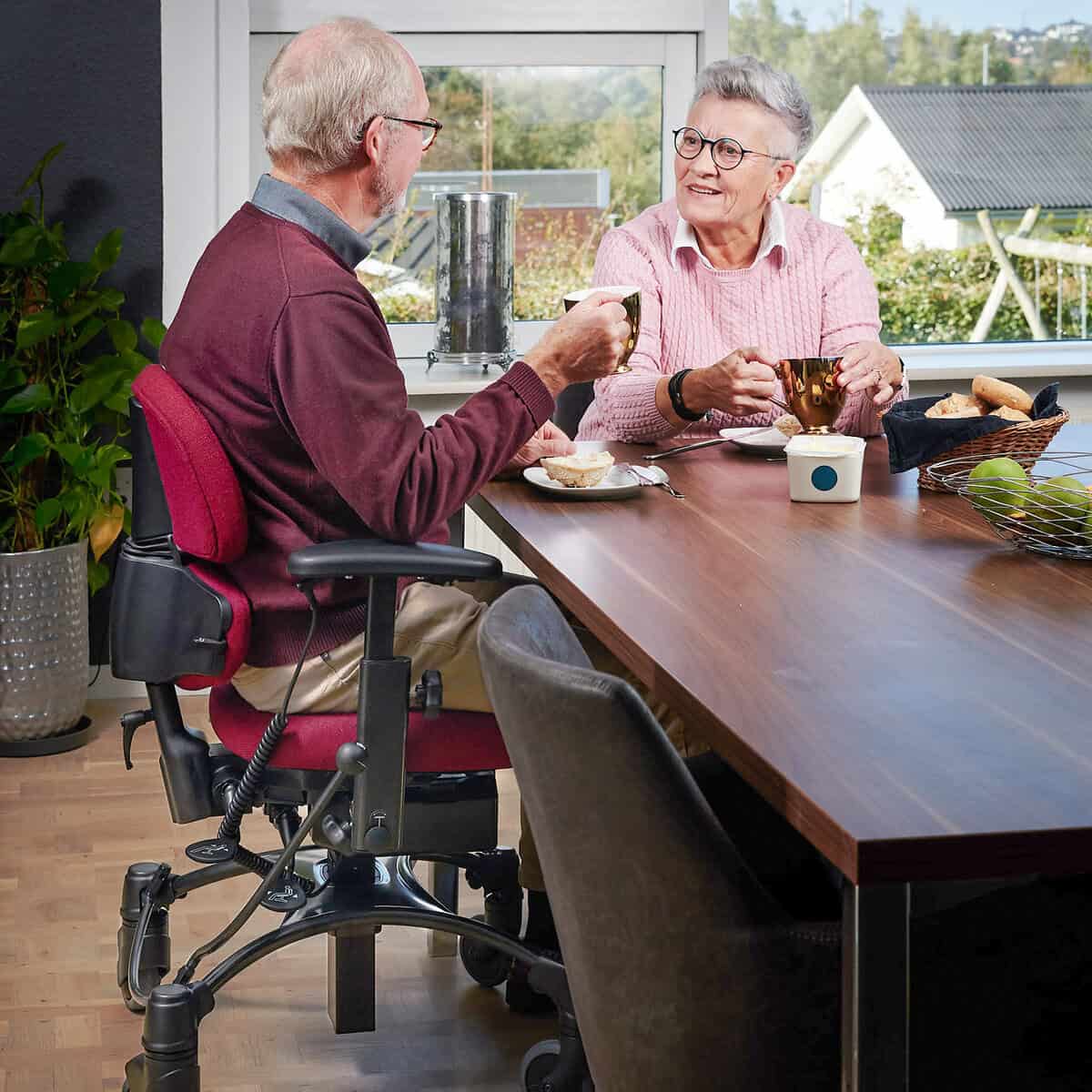
Allowing elderly individuals to remain in their own homes not only provides psychological and emotional comfort but can also enhance their quality of life. Mobility solutions like the VELA Independence Chair can play a critical role in extending this independence. Featuring a central brake for safety, electric height adjustability for effortless transfers, and the mobility to move around while seated, this chair helps ease the strain on caregivers. As a result, it can delay the need for nursing home care, maintaining dignity and autonomy. While there are several solutions available, the VELA chair presents a proven, practical option for ensuring that aging individuals receive support to live safely and comfortably at home.
Link: Elderly Care at Home