

Updated October 2025: We have updated the article to reflect the latest developments in assistive technology and supportive living, including AI-integrated smart wheelchairs, wearable robotic rehabilitation devices, brain-computer interface prosthetics, and advances in funding support and device accessibility. The update provides enhanced clarity on how these innovations improve independence, safety, and personalized care in villa senior care communities.
Understanding Villas Senior Care Communities: Models and Services
Villas senior care communities are thoughtfully designed environments where seniors can experience varying levels of care, ranging from independent living to skilled nursing and memory care, all within a single, unified space. According to the Journal of the American Geriatrics Society, these hybrid communities are gaining popularity due to their seamless integration of services and amenities that cater to diverse health needs while promoting socialization and comfort. Recent advances have further enhanced these environments through the introduction of AI-powered and wearable assistive devices, supporting greater independence and interaction for residents[1][2][5][6][7].
An exemplary model of this is The Villas Senior Care Community in Sherman, IL, which offers a full continuum of care and specialized programs like Villas Total Rehab. This tailored approach ensures that residents can transition smoothly between different care levels as their needs evolve, reducing the stress often associated with moving between separate facilities. Today, the integration of smart mobility aids, adaptive interfaces, and accessible technologies supports seamless transitions and offers new possibilities for resident engagement and personalized care[1][2][5][6][7].
Resident Demographics and Health Profiles in Villa Settings
Residents of villa senior care communities typically range from 75 to 85 years old and often require assistance with daily activities. Common health conditions include mobility challenges, chronic diseases such as diabetes or hypertension, and cognitive impairments like dementia. As noted by the National Institute on Aging, many residents need help with personal care and medication management.
Practical scenarios underscore the benefits of onsite rehabilitation services for residents experiencing mobility issues. For instance, a resident recovering from knee surgery utilized rehabilitation services to regain mobility, which in turn improved their overall quality of life. Today, assistive technologies such as brain-controlled prosthetics and exoskeletons, AI-driven smart glasses, robotic exoskeleton rehabilitation devices, and communication support systems are increasingly designed with user-centered and ergonomic principles, providing tailored solutions for a diverse range of resident needs[1][2][3][4][5][6][7]. The comprehensive lifestyle amenities offered at villa communities, including social programs and wellness activities, are crucial in enhancing residents’ physical and mental well-being.
Key Services: Medical, Rehabilitation, and Lifestyle Amenities
Villas senior care communities provide a wide range of services designed to meet the unique needs of their residents. Medical support, rehabilitation services, and lifestyle programs are integral components of the care. Unique programs like the ReviteWellness™ Program focus on promoting active aging and holistic wellness, encouraging residents to engage in social and recreational activities.
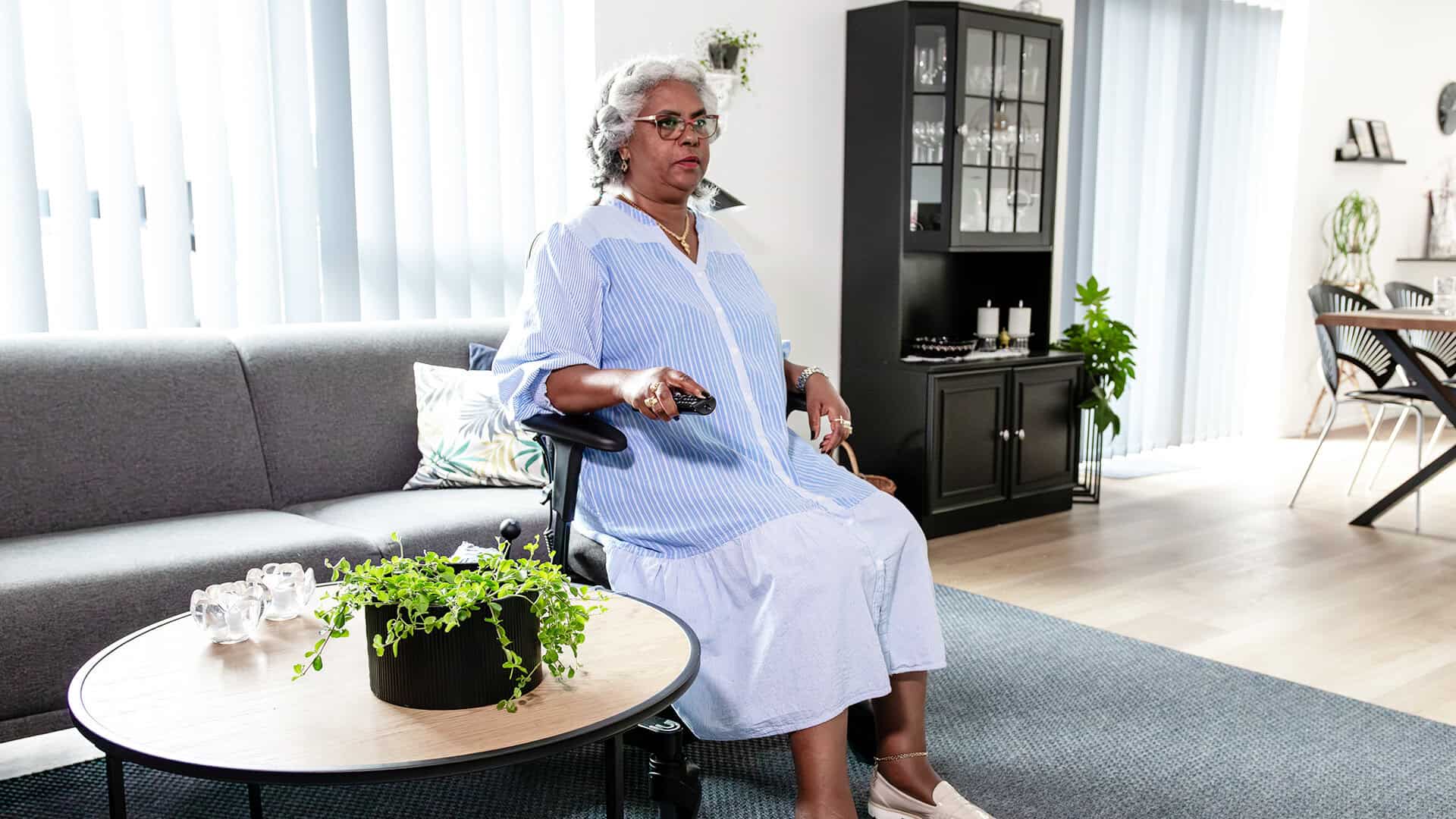
For seniors residing in these communities, mobility and independence are paramount but often challenged by health constraints. In this context, adaptive equipment and newly available assistive technologies become vital. Solutions now include AI-powered smart glasses providing real-time navigation and object identification, brain-computer interface systems enabling natural control of mobility devices, smart wheelchairs equipped with autonomous navigation using lidar, obstacle detection, adaptive sensors, and real-time user monitoring capabilities[1][2][5][6][7]. For example, smart wheelchair add-ons such as LUCI and integrated systems like the Robooter X40 help residents program destinations, monitor comfort, and maintain optimal ergonomic seating. Robotic exoskeletons and wearable rehabilitation robots such as H-Medi use AI to monitor movement, predict disease progression, and optimize rehabilitation for improved walking speed and personalized outcomes. Wearable multimodal exoneuromusculoskeletons can further assist seniors, especially in post-stroke mobility recovery[5]. These advances support safer and more autonomous living, expanding opportunities for participation in daily tasks and community life. One such solution is the VELA Independence Chair, a medically approved mobility device designed for use at home. It offers enhanced safety and freedom of movement while seated and supports daily activities like cooking, dressing, or transferring. This helps reduce the physical demands on informal caregivers, contributing to a more sustainable and independent living arrangement for seniors.
Local Market: Comparing Top Villa Senior Communities and Costs
Evaluating villa senior care communities involves considering both quality and affordability. The Villas Senior Care Community in Sherman, IL, is known for its compassionate environment and extensive services, drawing positive reviews from residents and their families (AssistedLiving.org). Comparatively, RN Villa in Portland, OR, emphasizes specialized programs such as palliative care and pet therapy, establishing a unique reputation (Seniorly).
Cost considerations are significant for seniors and their families. According to Medicare.gov, the average monthly cost for a semi-private room in a nursing home is $7,908, with private rooms averaging $9,034. These costs vary depending on the level of care and services provided, underscoring the importance of thorough research and comparison when selecting a community. Market trends now show growing collaboration between healthcare providers, technology developers, and community groups, as well as evolving regulations and funding support, which facilitate wider access to innovative assistive technologies for residents. Advances in funding mechanisms, such as grants and insurance toolkits, are helping more seniors afford upgrades to smart assistive devices, ensuring inclusive access to the latest innovations[1][6][7].
Villas senior care communities offer a unique blend of independence and support, ideal for seniors seeking a seamless, adaptable living environment. These communities provide a spectrum of care options, enabling residents to age in place without frequent relocations. As emphasized by the National Institute on Aging, choosing such adaptable environments is crucial for successful aging in place, allowing seniors to enjoy an enriched and dignified quality of life amidst changing health needs. The adoption of smart, user-centered assistive devices and IoT-integrated solutions further supports this goal, ensuring care and independence can evolve alongside residents’ individual requirements[1][2][5][6][7].
This comprehensive perspective highlights the importance of considering both the quality of care and available amenities when making significant lifestyle decisions. By doing so, seniors and their families can ensure that their loved ones receive the most appropriate and compassionate care tailored to their evolving needs, while benefitting from the latest advancements in assistive and mobility technologies.
Supporting Aging in Place: A Practical Option
References
- “Innovations in Mobility Aids: AI-powered wheelchairs, robotic exoskeletons,” Keyway Medical, 2025, https://keywaymedical.com/innovations-in-mobility-aids-a-look-at-the-latest-technologies/
- “The Best Assistive Tech Gadgets in 2025: Smart glasses, brain-controlled prosthetics,” ThinkBeyondTheChair.org, 2025, https://thinkbeyondthechair.org/the-best-assistive-tech-gadgets-in-2025-enhancing-independence-through-innovation/
- “Recent trends in assistive technology for mobility: User-technology integration,” PMC, 2025, https://pmc.ncbi.nlm.nih.gov/articles/PMC3474161/
- “Innovations in assistive technology: Screen readers to robotic prosthetics,” Equal Accessibility LLC, 2025, https://equalaccessibility.co/resources/innovations-assistive-technology/
- “CES 2025 Award-Winning Assistive Tech Innovations: H-Medi, robotic prosthetics, exoneuromusculoskeleton,” ConnSense Report, 2025, https://connsensereport.com/2025/02/03/13-ces-2025-award-winning-assistive-tech-innovations-for-healthcare-professionals-to-know-about/
- “Exciting Assistive Technology: Smart wheelchairs and funding options,” Ability Montana, Aug 2025, https://abilitymt.org/blog/assistive-technology-people-disabilities/
- “Assistive Technology Outcomes and Benefits Journal: Eyewear with obstacle detection, AI in assistive platforms,” ATIA Journal, Spring 2025, https://www.atia.org/wp-content/uploads/2025/06/ATOB-V19_Final.pdf