

Updated February 2026: We have updated the article with the latest insights on AI-integrated assistive devices, smart mobility aids, wearable health monitoring technology, voice-activated robotics, VR/AR rehabilitation, adaptive smart home features, and emerging policy trends in elderly care. This update emphasizes proactive, personalized, and technology-driven care for aging in place, reflecting the newest developments in independence-supporting solutions for seniors and caregivers.
Addressing the Question: What to Do When Elderly Parents Can’t Take Care of Themselves
Addressing the daunting question, “what to do when elderly parents can’t take care of themselves,” is a significant concern for many family caregivers. With approximately 80% of adults aged 65+ having at least one chronic condition and 50% having at least two, finding the right care solution becomes increasingly crucial as parents age. According to CDC, this statistic highlights the growing need for care solutions. Fortunately, the National Institute on Aging’s Eldercare Locator can help families connect with local support, ensuring you are not alone in navigating these challenges.
Understanding When Elderly Parents Need More Help
Recognizing when an elderly parent requires additional care is the first crucial step. Signs may include missed medications, difficulty with daily tasks, or a noticeable change in their living environment. For instance, a parent with severe arthritis might struggle with meal preparation, highlighting a need for assistance. Dr. Ngan Lam of UCHealth notes that if delivered meals remain unprepared, it may be time to consider a senior living facility. Common scenarios such as missing appointments or experiencing frequent falls can be strong indicators that increased care is necessary.
Home Care vs. Assisted Living: How to Decide
Deciding between home care and assisted living involves weighing various factors, each with distinct benefits and limitations. Home care allows elders to remain in a familiar setting, offering personalized support that often benefits those with strong emotional connections to their home. Yet, when mobility aids alone are insufficient, transitioning to an assisted living facility might be the best choice, as they offer comprehensive care and social opportunities. The National Institute on Aging provides valuable guidance on these options. Real-life case studies frequently show that while some families start with home care, the evolving needs of their elderly loved ones often necessitate a move to assisted living.
Navigating Emotional Challenges and Family Conflict
The journey of selecting the right care solution often presents emotional challenges and potential family disagreements. Balancing respect for an elderly parent’s autonomy with safety considerations is essential. The AARP suggests having open dialogues to explore fears or concerns, which can aid in crafting a collaborative solution. In a real-world example, siblings who initially disagreed about moving their mother to a care facility eventually resolved their differences through mediated family discussions, illustrating the power of communication in overcoming such challenges.
Financial and Legal Considerations for Long-Term Care
Evaluating the financial implications of elderly care is critical. Costs can be substantial; home aides range from $36–$45/hour, while 24/7 in-home care can soar up to $28,000/month. Exploring subsidy opportunities and government aid programs can lighten these financial burdens. Information transparency is vital, as shown on Medicare.gov where one can compare costs and services. Long-term care insurance and careful use of family resources are essential strategies for this financial planning phase.
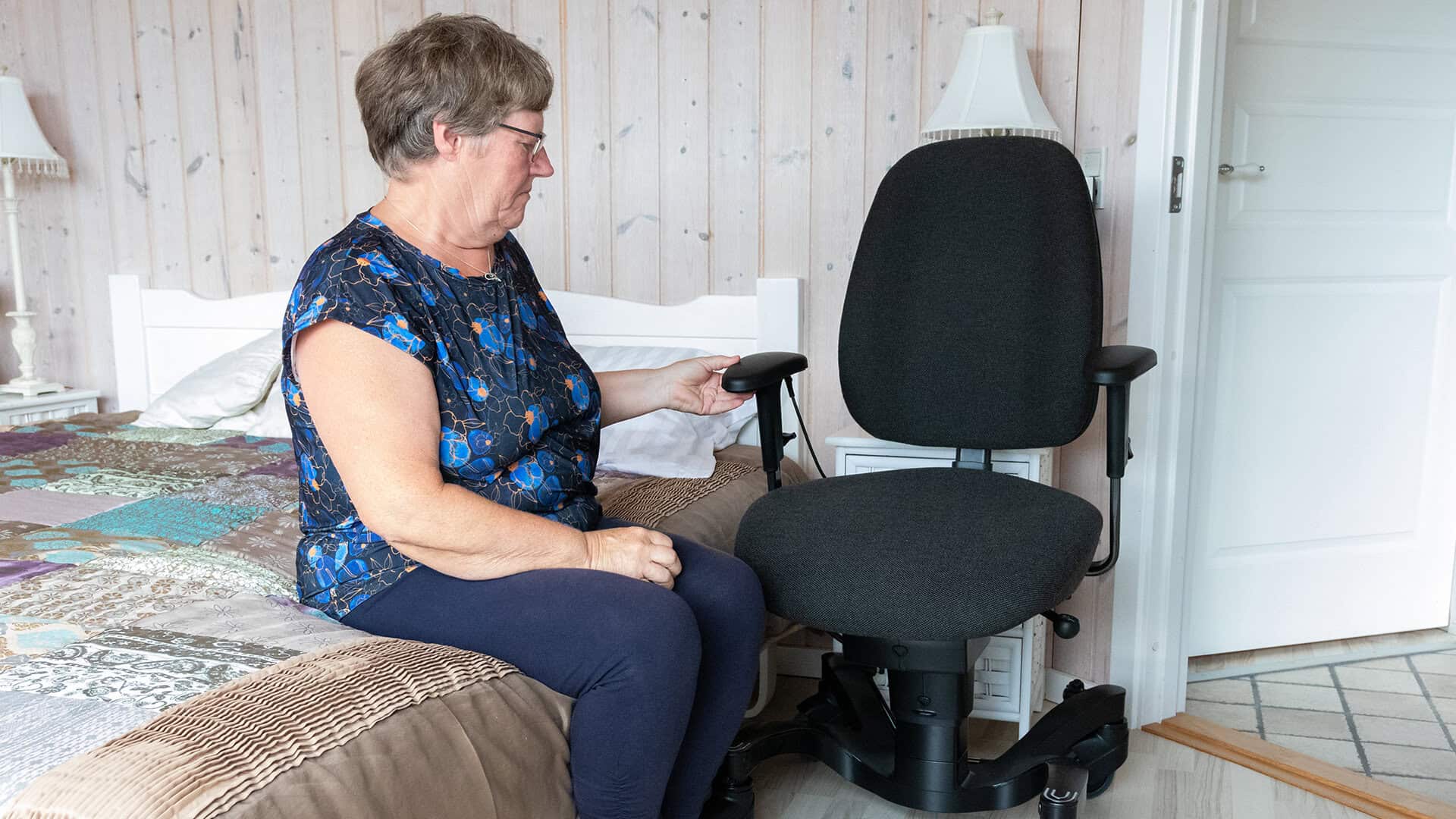
Enhancing safety and independence at home can significantly impact an elderly parent’s quality of life. As the decision between nursing homes and home care solutions is weighed, it’s crucial to consider practical tools that enable older adults to live independently in their own homes. The VELA Independence Chair, a medically approved mobility chair, is one such solution. Designed for home use, it enhances safety, offers freedom of movement while seated, and supports daily activities like cooking, dressing, or transferring — thus reducing the load on informal caregivers.
Summarizing Key Takeaways for Elderly Care
Navigating the vast landscape of elderly care involves thoroughly assessing when additional support is necessary, choosing between home care and assisted living, and managing emotional and financial decisions. Utilizing resources and guidance from reputable organizations like the National Institute on Aging helps make informed choices that honor both the desires and needs of elderly parents.
By addressing these critical aspects comprehensively and empathetically, you can foster an environment that respects your parent’s autonomy while ensuring their safety and well-being.
Supporting Aging in Place: A Practical Option
The VELA Independence Chair represents a practical alternative for those looking to maintain autonomous living at home as long as possible. Featuring central brake controls for increased safety, this chair eliminates the risk of unwanted movement, reducing falls. It enables effortless transitions through electric height adjustability, empowering users to engage in everyday activities like cooking or cleaning with minimal effort. This capacity to easily adjust the chair to suit various tasks allows users more opportunities for relaxation and independence, which often delays the need to move into assisted living facilities. While the VELA Chair offers substantial benefits, it is merely one among various solutions designed to promote the dignity, safety, and self-sufficiency of elderly individuals living at home longer.
New trends and technologies enhancing elderly care in 2026
The latest advancements in assistive technology are transforming elderly care by prioritizing independence, proactive monitoring, and personalized support. AI-integrated assistive devices, such as smart mobility aids equipped with sensors, predictive analytics, and voice-activated controls, now provide real-time monitoring of user movement, detect falls, and even monitor vital signs and daily patterns to prevent incidents before they occur. Wearable devices, including health trackers and intelligent apparel, allow for ongoing collection of health data, early disease indicator detection, and rapid alerts to caregivers or medical professionals.
Mobility solutions have evolved with powered and sensor-equipped wheelchairs featuring GPS navigation, app connectivity for route optimization, and collision avoidance to ensure safe, independent travel. Voice-activated robotic assistants increasingly handle daily tasks and medication management, offering support customized to individual preferences and routines. Ambient edge AI in smart homes, such as auto-shutoff stoves, adaptive lighting, and context-aware reminders, allows seniors to manage safety and comfort while reducing the burden on family caregivers and staff, especially valuable in the context of workforce shortages.
Innovative rehabilitation methods, including virtual and augmented reality (VR/AR) technologies, are gaining prominence for cognitive and physical training, offering adaptable therapy plans that enhance motivation and outcomes. Adaptive furniture, such as automatically adjustable beds, now plays a significant role in prevention (e.g., reducing pressure ulcers), comfort, and user independence. Mainstream adoption of telehealth and remote monitoring enables proactive management of chronic conditions from home, facilitates quicker professional intervention, and supports preference for aging in place.
Personalized, AI-driven care plans are replacing generic approaches, incorporating both physical health data from wearables and mental well-being assessments for truly holistic support. Edge AI solutions ensure privacy by processing sensitive safety data locally, providing peace of mind and compliance for both users and families. Expanded insurance policies and government programs are making durable medical equipment, smart devices, and home adaptations more accessible, accelerating adoption among seniors and caregivers. As technology advances, both the preferences and needs of older adults are being addressed with solutions that are intuitive, user-friendly, and highly effective in supporting long-term autonomy and healthy aging.
Authoritative sources
- CDC – Aging Data 2023
- National Institute on Aging – Eldercare Locator
- National Institute on Aging – Aging in Place
- Dr. Ngan Lam, UCHealth – Aging Parents Care
- AARP – Help for Parents Who Refuse Care
- Medicare.gov – Nursing Home Ratings
- LeadingAge: 3 Trends in Senior Care Technology
- AANP: Top Five Health Care Trends for 2026
- K4Connect: The Future of Senior Living at CES 2026