

Updated February 2026: We have updated the article with new information on Wisconsin’s 2024–2026 State Plan for Assistive Technology, expanded AT lending programs, the AT Forward initiative for educators and rehabilitation, and the latest 2026 trends in AI-driven, wearable, and smart home assistive devices. We have also included expanded resources for Wisconsin residents, expert insights on the adoption of new technologies, and key policy updates supporting independent living.
Charting the Future of Senior Care in Wisconsin
With Wisconsin’s population steadily aging, developing effective senior care solutions is paramount. Currently, approximately 26-28% of Wisconsin residents are aged 65 and older, placing the state among the highest nationally in this demographic, as reported by the Wisconsin State Aging Plan FFY 2023–2025. This growing elder demographic necessitates a comprehensive array of services tailored to the varied needs experienced by seniors.
Understanding the Growing Needs of Wisconsin’s Seniors
The aging of the baby boomer generation leads to increased rates of chronic health conditions and physical disabilities among seniors. These conditions, such as arthritis, heart disease, and diabetes, significantly impact the quality of life for older adults. For instance, Margaret, a 78-year-old resident of Racine, struggles daily due to limited mobility, highlighting the urgent need for accessible home care resources to effectively manage these conditions. In recent years, the need for more inclusive care designs reflecting the growing diversity among seniors has also increased, as care providers respond to demographic changes and the need to accommodate a wide range of needs and backgrounds.[4]
Exploring Senior Care Options in Wisconsin
Senior care in Wisconsin includes various services, such as assisted living, skilled nursing, and home health services. The Wisconsin Health Care Workforce Report 2025 indicates growing demand as more families seek reliable care for aging relatives. Consider the Garcia family, who faced the difficult decision between assisted living and home care for their father with Alzheimer’s. Their experience underscores the common evaluation hurdles families face, including quality, accessibility, and financial considerations. Digital transformation is increasingly a focus in senior living, with solutions like smart building automation, remote health monitoring, and predictive analytics being adopted to optimize staffing and care amid ongoing labor shortages.[3]
Navigating the Costs of Senior Care in Wisconsin
Cost is a critical factor in selecting senior care. Assisted living in Wisconsin typically ranges from $4,000 to $5,500 per month, while home health aide services average $27 to $30 per hour. Financial resources like Medicaid can alleviate these costs, yet navigating such programs can be daunting, as experienced by the Thompsons, who juggled budget constraints to prioritize high-quality care for their mother. As more seniors adopt technology and health monitoring devices, tech concierge services are emerging to help residents use these tools effectively, minimizing the staff burden and improving the uptake of supportive technologies. Additionally, residents increasingly expect reliable broadband, video communication, and digital access as standard amenities in care environments. Operators are investing in these areas to enhance engagement and support digital literacy, while addressing staff training and privacy challenges associated with new technology adoption.[2]
Local Initiatives Supporting Wisconsin’s Elderly
Aging and Disability Resource Centers (ADRCs) are instrumental in providing essential services like resource navigation and wellness programs across Wisconsin. Initiatives aimed at reducing social isolation, such as community meals and telephone check-ins, are vital for rural seniors. The Forest County Aging Plan FY 2025–2027 emphasizes these programs’ role in ensuring seniors living alone receive necessary emotional and social support. Increasingly, technology-driven programs—such as community-centered telehealth and robotics—are being leveraged to extend care to more seniors within their own homes, further supporting independence and well-being. Wisconsin’s assistive technology (AT) initiatives have been greatly expanded under the 2024–2026 State Plan for Assistive Technology, funded by the 21st Century Assistive Technology Act.[1] Key state programs now include:
- Expanded lending libraries (e.g., ATLC) that offer free trial loans of mobility, communication, and AAC equipment to people of all ages and abilities, including educators and students with IEPs.[2]
- The AT Forward Project, providing virtual communities of practice, micro-credentialing for educators and therapists, and a Wisconsin AT Resource Map for statewide access and professional learning.[2]
- Consumer-driven device loan, device reuse, and support for independent living through county-based access points and partnerships with rehabilitation services.[1]
These advances are accompanied by a growing state-wide emphasis on accessible robotics, AI-powered devices, and coordinated care for individuals with cognitive decline. State guidelines and funding, as well as new digital tools such as wearable panic buttons and smart home integrations, are rapidly becoming part of daily life and routine care for Wisconsin’s seniors.[8]
Enhancing Mobility and Safety for Wisconsin’s Seniors
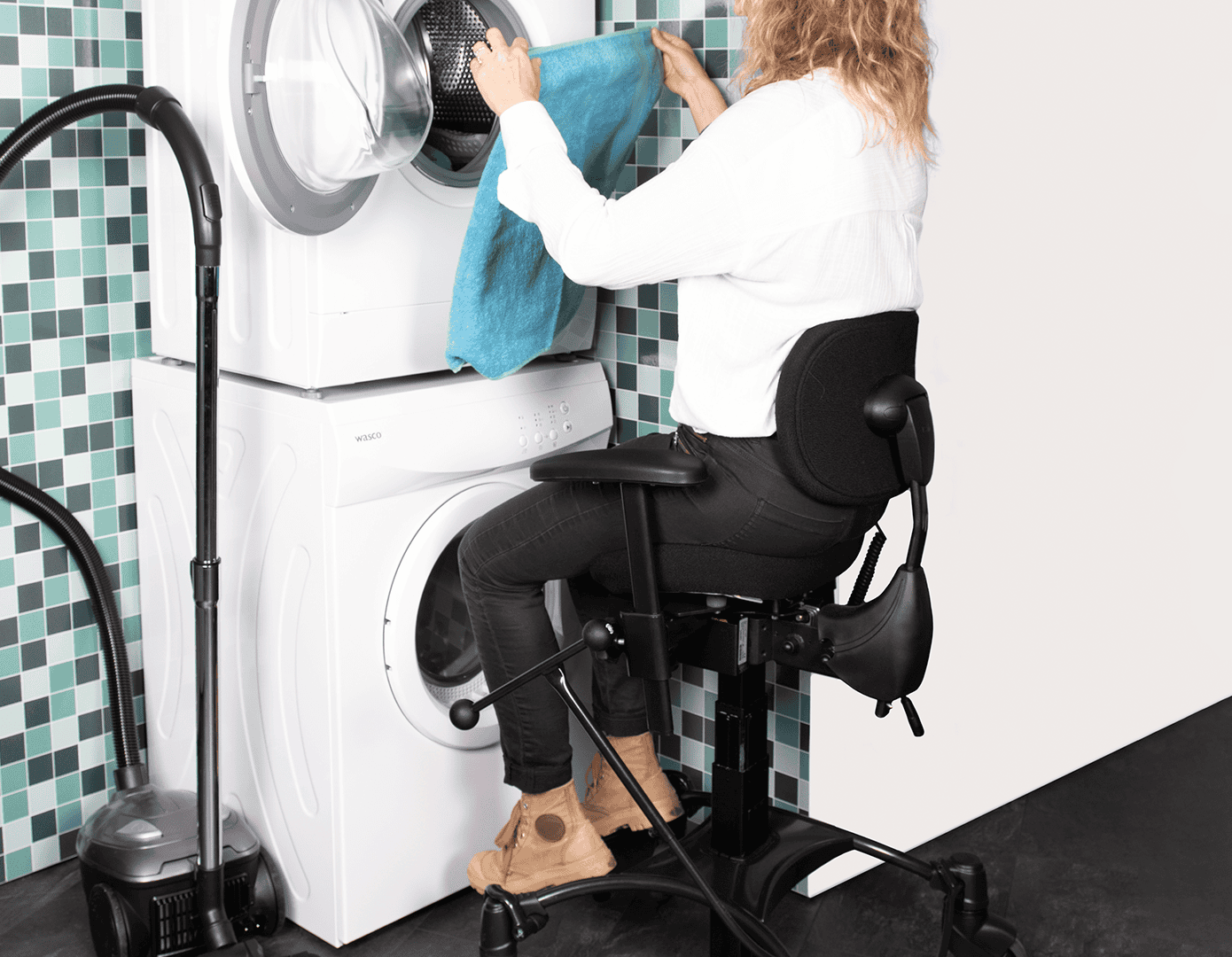
Transitioning from nursing home care to aging in place emphasizes the importance of mobility for seniors. Many elderly individuals wish to maintain their independence by staying in their homes longer rather than moving to nursing facilities. The VELA Independence Chair offers a medically approved mobility solution designed for home use. It enhances safety and provides seniors with freedom of movement while seated, supporting daily activities such as cooking, dressing, or transferring—all while reducing the burden on informal caregivers. Mobility Chairs for Independence are vital in providing these opportunities for seniors to live more autonomously.
Alongside these aids, the adoption of advanced assistive technologies—such as AI-powered, non-wearable fall detection systems using radar, heat, or video sensors—has surged. These ambient sensing systems, integrated with AI, now offer unobtrusive and continuous safety support, enabling 24/7 monitoring and quick response to incidents without requiring seniors to wear physical devices. Wearable devices like the Apple Watch have also evolved, providing advanced health tracking and automated fall detection features that support faster emergency intervention. Furthermore, interface options for these technologies have expanded beyond voice activation to include gesture control, smart sensing, and conversational AI systems, enhancing accessibility for seniors with varying preferences and abilities.[2], [3], [8]
Charting the Future of Senior Care in Wisconsin
The continued evolution of care strategies to address the needs of an aging population is crucial. According to the Wisconsin State Aging Plan FFY 2023–2025, implementing tailored solutions will substantially enhance the quality of life for seniors, ensuring they age with dignity and security. The future includes further integration of robotics, smart home systems, and predictive technologies that support daily living, rehabilitation, and care management. AI-driven analytics are now leveraged in rehabilitation settings to analyze gait and activity patterns, offering personalized feedback and early detection of complications such as infections or declines in mobility. Additionally, operational AI streamlines administrative and clinical workflows, enabling staff to prioritize direct care and resident engagement.[6], [3], [7]
Importantly, regulatory guidance now clearly identifies AI as a supportive tool. The Centers for Medicare & Medicaid Services (CMS) and several states have emphasized that while AI can assist in coverage and care planning, clinical judgment and individualized review must remain central in health and aging services. This approach ensures that technology enhances, but does not replace, direct care and professional expertise. Moreover, product development in the field emphasizes not only functional improvements, but also user experience and psychological readiness, particularly under privacy-sensitive care circumstances.[7], [3]
Wisconsin is also proactively addressing challenges in the adoption of high-cost technologies, such as funding for Braille displays and connected rehabilitation tools, while focusing on equitable, statewide distribution of assistive device access through county-based AT resource maps and lending programs.[2], [1]
Staying Independent at Home with Support
As the population ages, innovative solutions like the VELA Independence Chair become increasingly essential. These chairs allow elderly individuals to stay independent longer at home by addressing critical issues such as safety and ease of movement. Features like a central brake provide added security, while electric height adjustability facilitates smoother transitions, reducing the effort required for daily activities. Emphasizing dignity, freedom, and energy-saving, such mobility aids help delay the need for a nursing home by supporting activities like cooking, cleaning, and relaxing with greater ease. Although VELA chairs are not the only solution, they are a proven and practical option for enhancing senior independence and preventing falls in the elderly.[1]
References
- ButterflyMX, “Senior Living Technology Trends 2025”
- Age In Place Tech, “Market Overview Technology for Aging 2025”
- CLA Connect, “Senior Living and Care: Four Key Drivers of Activity in 2025”
- RBJ, “Senior living trends highlight housing, tech, workforce”
- Wisconsin Hospital Association, “2025 Wisconsin Health Care Workforce Report”
- Eden Senior Healthcare, “The Future of Senior Care: Trends in Aging and Health Services”
- Health Dimensions Group, “2025 Top Trends in Aging Services”
- Wisconsin Department of Health Services, “Draft Wisconsin State Plan on Aging FFY 2026–2028”
- Wisconsin Department of Health Services, “State Plan for Assistive Technology 2024-2026”
- Wisconsin DPI, “AT Forward Project and Resource Map”
- University of Wisconsin-Madison, “Tech Trends 2026 Event”
- Wisconsin DHS, “WLTCAC Presentations January 13, 2026”