
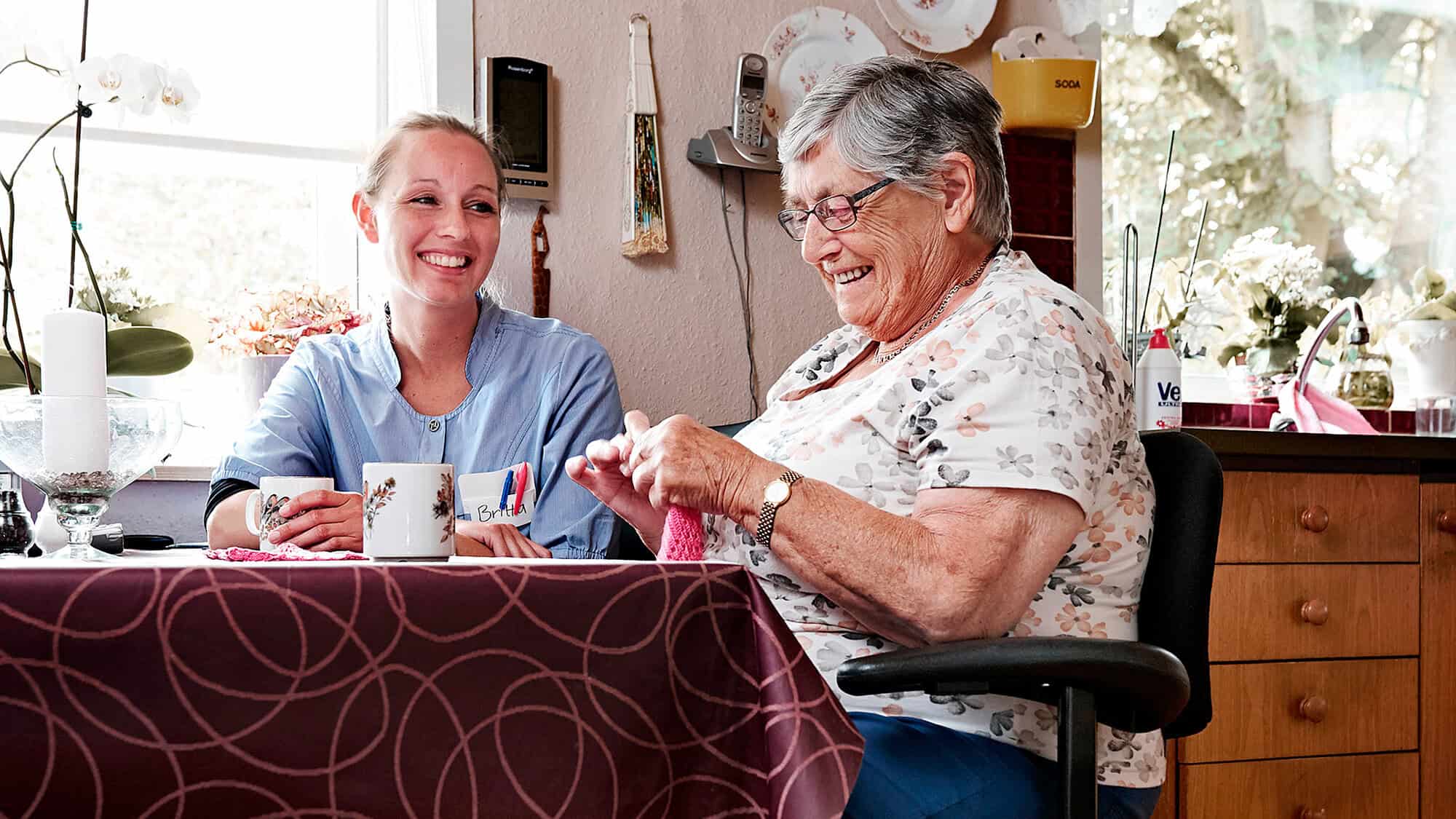

Updated September 2025: We have updated the article to reflect significant projections of population growth among Wisconsin residents aged 75+ through 2030 and urgent workforce needs, as well as the latest state and federal policy shifts emphasizing person-centered, data-driven long-term care. The article now includes evolving best practices in rehabilitation, innovations in assistive device design driven by technology integration and workforce challenges, and new funding initiatives to address quality and accessibility in senior care.
Demographic Trends Shaping Senior Care in Wisconsin
Understanding demographic trends is essential to planning effective senior care in Wisconsin. As of 2023, individuals aged 65 or older make up 19.1% of Wisconsin’s population, which is higher than the national average. Projections for 2025 suggest this age group will constitute between 26-28% of the state’s population, reflecting a significant increase driven by the aging baby boomer generation, a trend expected to continue through 2035. According to Wisconsin State Aging Plan 2023–2025, planning for these changes is crucial.
Recent research indicates a dramatic surge in Wisconsin’s senior population aged 75 and older, with growth projected at 41% by 2030. This demographic change is putting considerable stress on elder care capacity and the direct care workforce, highlighting the need for immediate expansion of assisted living facilities, advanced assistive technologies, and an increase in skilled caregiving staff to meet future demand. Reports from Forward Analytics: Graying of the Great Lakes and Wisconsin Counties Association: Elder Population and Caregiver Workforce Needs provide further context on these trends.
The senior population is primarily concentrated in urban areas, with about 70% of those aged 60 and above residing in southeastern and south-central regions. However, rural counties may see their senior population proportions escalate to 35-42% by 2035. This information from Aging: Demographics in Wisconsin highlights the need for customized strategies to enhance healthcare access, as rural seniors often face difficulties in accessing traditional health services.
Top Senior Care Programs and Financial Assistance Options
Several vital programs support senior care in Wisconsin, addressing both health and financial concerns. Wisconsin SeniorCare, Medicaid, and Aging and Disability Resource Centers (ADRCs) serve as essential parts of this support network. According to the Evaluation Report for Wisconsin SeniorCare, Wisconsin SeniorCare is a crucial state-run prescription drug program that helps low-income seniors manage their medication costs effectively, minimizing the need for more intensive and costly care options.
Recent updates to state aging plans for 2026–2028 emphasize integrating person-centered approaches across long-term care services, including comprehensive caregiver needs assessments and expansion of self-directed supports through programs such as Family Care and IRIS. These approaches enable greater customization of service delivery, closely aligning with each individual’s preferences and capacities. Technology and data-driven coordination are increasingly central to the success of these models (Wisconsin Department of Health Services, Draft State Aging Plan FFY 2026–2028) (Wisconsin Department of Health Services: Older Americans Act 2025 Final Rule).
Financial challenges pose a significant concern for many seniors, particularly those on fixed incomes. Navigating these challenges often involves utilizing assistance programs and planning for healthcare expenses. For instance, Mary, a retired schoolteacher, benefits from Wisconsin SeniorCare. With the program’s assistance, she can afford her prescriptions, maintaining her independence and avoiding the depletion of her savings.
Leading Providers: Comparing Assisted Living, Nursing Homes, and Home Care
Selecting an appropriate care provider is critical for seniors and their families. The top-rated providers in Wisconsin, such as Attic Angel Community, St. Camillus, and Oakwood Village, offer diverse services ranging from assisted living to nursing home care, each with its own advantages and cost considerations. Assisted living facilities in Wisconsin have average monthly costs of $4,300–$5,600, which vary depending on location and level of care. This is supported by the Wisconsin Health Care Workforce Report 2025.
Workforce shortages intensify the challenges in maintaining high standards of care. State initiatives, such as the Wisconsin Direct Care Workforce Funding Initiative, and changes in Medicaid payment models—like the adoption of the Patient-Driven Payment Model—are actively targeted at improving workforce retention, aligning reimbursement with resident acuity and therapy needs, and incentivizing quality outcomes (Wisconsin Assisted Living Association: Funding and Workforce Policies 2025). These measures are designed to address both immediate and long-term provider capacity issues exacerbated by the growing elder population.
Family testimonials highlight the positive experiences with these providers, often citing high-quality care, supportive staff, and engaging community activities as significant benefits. These factors are vital in enhancing the quality of life for seniors and provide peace of mind for their families.
Innovations in Elderly Mobility and Independence: Tools and Solutions
Recognizing the challenges associated with nursing homes, many seniors prefer aging in place with the freedom and safety of staying at home. Aiming to provide options to facilitate this, solutions like VELA chairs emerge as significant tools offering enhanced safety and independence. As medically approved mobility chairs, they are crafted for home use and offer features like adjustable seating, secure braking systems, and ease of movement. These chairs not only support crucial daily activities such as cooking, dressing, and transferring but also lessen the burden on informal caregivers, enabling seniors to reside comfortably and independently in their own spaces.
Recent advances in assistive technology emphasize ergonomic design, inclusivity, and user-adaptable features that improve mobility and daily function while reducing physical strain for both users and caregivers. Many solutions now integrate with digital health platforms, providing a higher level of customization and remote support. The trend toward innovative products is partly driven by workforce shortages—technologies are increasingly expected to compensate for gaps in direct care staffing and enable more effective rehabilitation and safe aging in place (Health Dimensions Group, 2025 Top Trends in Aging Services).
Tools like VELA chairs, which are designed to aid with mobility, help seniors maintain safety and independence at home. These chairs feature ergonomic designs, adjustable seating positions, and secure wheels to reduce fall risks, ultimately supporting various daily living activities. For further insights, refer to the America’s Health Rankings 2025 Senior Report – Wisconsin Summary.
For seniors, maintaining mobility and minimizing fall risks are top priorities, particularly for those wishing to remain at home. Assistive furniture, such as VELA chairs, proves invaluable in enhancing daily independence. Take, for instance, John, a retired engineer, who can safely continue his hobbies of cooking and gardening, thanks to the added stability and support from his VELA chair.
Exploring Alternatives to Nursing Homes
Staying independent at home is increasingly viable with solutions like VELA chairs, which empower seniors to remain active in their familiar environments while minimizing the need for nursing home care. These chairs offer unique features, including a central brake for enhanced safety, electric height adjustability for seamless transfers, and ease of movement which supports daily activities, like cooking and relaxing. VELA chairs embody concepts of dignity and freedom by mitigating common barriers like fatigue and fall risks, thus enabling older adults to thrive at home. The balance between facilitating mobility and reducing caregiver strain provides a substantial benefit, promoting the prospect of aging in place successfully.
The evolving landscape of senior care in Wisconsin is also shaped by best practices in rehabilitation, inclusive product design based on user feedback, and new emergency preparedness strategies—each influenced by updated state and federal regulations including the 2025 Older Americans Act Final Rule (Wisconsin Department of Health Services: Older Americans Act 2025 Final Rule). The state’s planning now prioritizes accessible service models, improved community reintegration after hospitalizations, and more seamless transitions in all care settings.
While not the sole solution, VELA’s proven effectiveness makes it a practical choice in the landscape of senior care alternatives, helping seniors live more independently and comfortably at home. Discover more about how these solutions can fit your lifestyle by visiting Mobility Support for Daily Life and Seniors and Mobility.