

Updated September 2025: We have updated the article with the latest advancements in AI-powered wearable health devices, robotic mobility aids, smart home integration, and telemedicine practices for seniors. This update includes new guidance on digital health tools, AI-enhanced exoskeletons, and remote monitoring, as well as recent trends in home care operations and policy recommended in 2025.
At-Home Senior Care in Newberry, SC: A Comprehensive Guide
Navigating the intricacies of at-home senior care in Newberry, SC, is essential for families aiming to enhance their loved ones’ quality of life. According to the CDC, nearly 80% of older adults have at least one chronic condition, and 68% manage two or more. Tailored home care solutions are crucial, especially in rural areas where Alzheimer’s and other dementias are prevalent, as noted by the South Carolina Alzheimer’s Disease Registry.
Understanding At-Home Senior Care in Newberry, SC
At-home senior care encompasses services that allow seniors to live independently in their residences, including companionship, personal care, and medical monitoring. As per the South Carolina Department of Health and Environmental Control, these services are vital for managing common conditions like Alzheimer’s, diabetes, and hypertension. For instance, a Newberry family utilizing in-home care for a senior with dementia can experience reduced hospital visits and an enhanced quality of life. This scenario exemplifies the substantial benefits that in-home care provides for both the senior and their family.
Demographic Trends: Who Needs Home Care Locally?
The demographic data for Newberry County shows a substantial elderly population. According to Census Reporter, the region’s socio-economic realities, such as a median household income of $47,885 and a homeownership rate of 50.5%, impact access to care. Community programs play a critical role, providing accessibility for seniors on fixed incomes, thereby emphasizing the community’s essential support role.
State and Federal Guidelines for In-Home Elder Care
Understanding the regulatory framework is crucial for ensuring quality care. In South Carolina, in-home care providers must be licensed, and caregivers undergo extensive training and background checks, as outlined by the South Carolina Code of Regulations. Medicare, according to Medicare.gov, covers certain in-home services, which paves the way for affordable access for eligible seniors. It is increasingly important for providers and families to consider digital health tool integration and data privacy best practices in line with recent regulatory developments.[6][7] Choosing a compliant provider ensures adherence to these standards and supports seamless care delivery using interoperable, secure digital systems.[6][7]
Leading Home Care Providers in Newberry: Reviews and Services
- At Home Senior Care is commended for its expertise in handling complex conditions like brain and spinal cord injuries, with feedback highlighting their compassionate, reliable staff. Providers are now also leveraging digital systems and smart tools to enhance care quality and operational efficiency.[6][7]
- Avodah Home Care is noted for its focus on daily living activities and promoting social engagement, with user reviews speaking to their professionalism and attentiveness. Newer technologies such as remote monitoring support proactive caregiver involvement and peace of mind.[2][3][4]
What Does Senior Home Care Cost in Newberry?
Understanding financial implications is essential for families budgeting for senior care. In Rural South Carolina, non-medical care costs around $23–$26 per hour, while skilled nursing services range from $200–$225 per day. Financial assistance through Medicaid waivers can alleviate some of these costs for low-income seniors. When considering service options, it can be useful to evaluate whether health monitoring wearables and smart home devices, now increasingly standard, are included as part of care packages, which can mitigate other care-related expenses.[1][4][5]
At-Home Safety and Equipment for Senior Independence
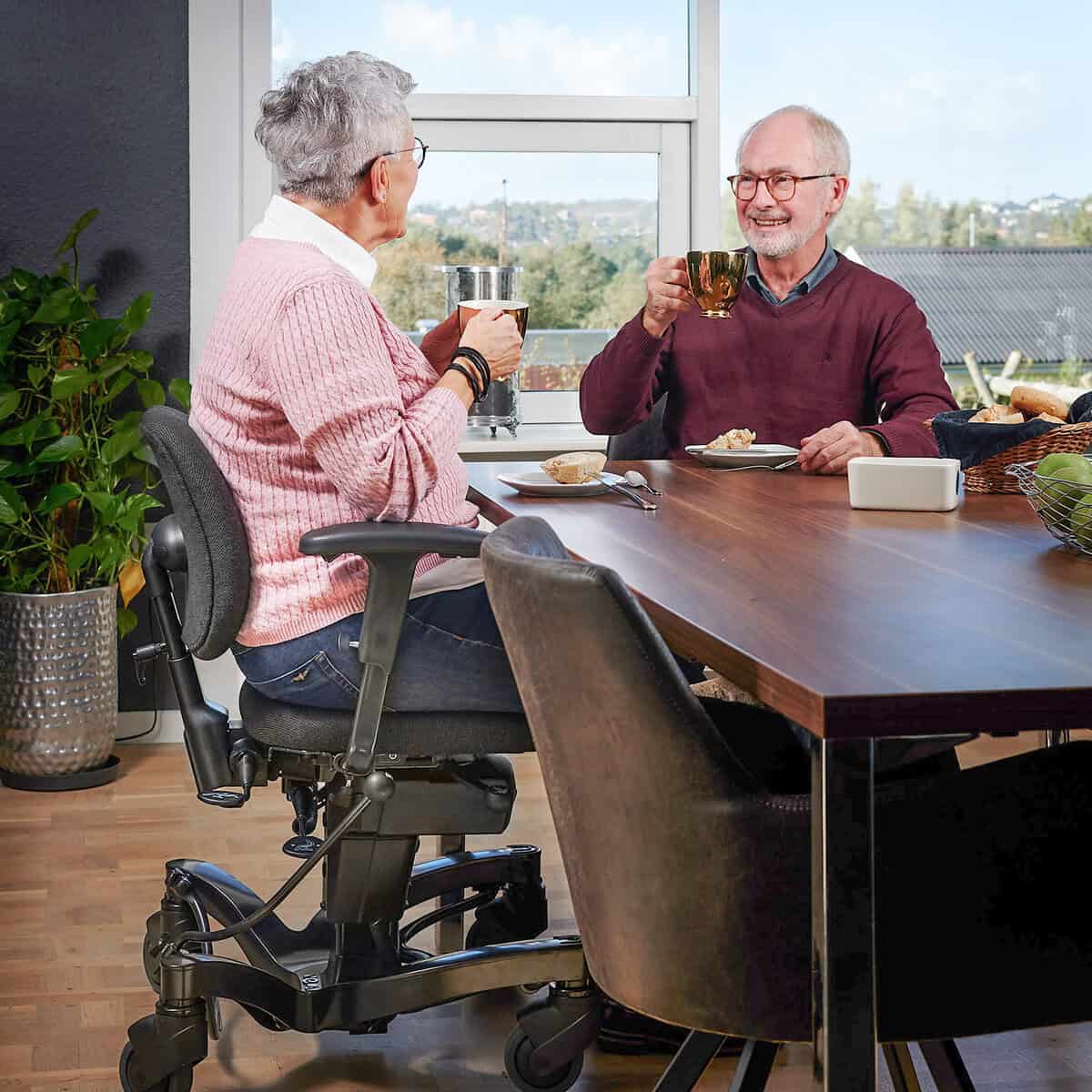
Transitioning directly from discussing the challenges faced by seniors in nursing homes, the need for solutions that foster independence in the home environment becomes clear. Modern tools now include a new range of AI-powered wearable health devices and robotic mobility aids, offering significant improvements in safety and stability.[1][5] For example, lightweight exoskeletons with AI-driven stabilization now provide up to 45% better walking stability, reducing fall risk and promoting confidence in daily movement.[1] Tools like the VELA Independence Chair continue to play a crucial role, offering a medically approved mobility option that enables older adults to maintain autonomy. This chair provides enhanced safety and freedom of movement while seated, supporting daily activities such as cooking, dressing, and transferring, all while significantly easing the physical burden on informal caregivers. Enhanced ergonomic and customizable features have also become standard in assistive devices, ensuring better adaptability and comfort.[5]
VELA Chairs offer a meaningful solution for seniors aiming to maintain their independence at home, standing as an alternative to nursing home care. These specialized chairs equip older adults to safely perform daily tasks with ease. Features like a central brake ensure user safety, while electric height adjustability supports seamless transitions, minimizing the risk of falls. With these features, the chair effectively alleviates caregiver strain, empowering seniors by preserving their dignity and freedom within their own living spaces. With versatile senior care solutions for home use, the prospect of delaying relocation to a nursing facility becomes a reality. Moreover, these practical solutions contribute to overall well-being and peace of mind, underscoring their value in at-home care. The integration of smart home systems—including AI and IoT-enabled environmental controls, automated medication reminders, and emergency alert features—further supports seniors who wish to age in place with greater safety and minimal caregiver intervention.[1][2][3][4][5]
Telemedicine and Remote Health Monitoring
Telemedicine and remote monitoring have become routine in senior care. Seniors and families now benefit from sophisticated virtual doctor visits and continuous health tracking, supporting early detection of potential conditions and reducing hospitalizations.[2][3][4] These digital approaches help sustain independent living and connect seniors to their care teams in real time, enhancing both safety and quality of life. Wider adoption of secure, interoperable digital health systems means that both clinical and non-clinical needs can be efficiently managed at home, reflecting the current standard of care.[6][7]
References
- INTCO Medical, “Top 5 Cutting-Edge Equipment for Seniors in 2025,” detailed clinical trial outcomes on AI-enhanced exoskeletons and health monitoring wearables (2025-07-09)
- MyCareConcierge.org, “How Technology will Transform Senior Care in 2025,” insights on telemedicine, smart home systems, and digital communication in elder care (2025)
- Cyces.co, “AgeTech Trends 2025: AI, Robotics & the Future of Aging,” overview of wearable health navigation, virtual visits, and connected care ecosystems (2025)
- Heisinger Bluffs, “The Future of Senior Living: Trends to Watch in 2025,” coverage of smart home automation and telemedicine in senior communities (2025)
- Channel Point Village, “How assistive technologies are shaping senior care in 2025,” practical examples of mobility aids, communication devices, and home automation (2025)
- CLAConnect.com, “Senior Living and Care: Four Key Drivers of Activity in 2025,” analysis of AI, predictive analytics, cybersecurity, and business modernization in senior care (2025)
- ButterflyMX.com, “Senior Living Technology Trends 2025: Shaping the Future of Care,” in-depth review of smart access control, AI, telehealth, and resident engagement platforms (2025)