

Updated September 2025: We have updated the article to reflect current advancements in assistive technology and senior care, including the growing integration of smart home devices, wearable health monitors, telemedicine, and AI-driven solutions for home-based elder support. Additional insights on inclusive, user-centered product design, remote rehabilitation, and evolving regulatory considerations for digital technologies in senior care are now included.
Empowering Seniors Through Thoughtful Care Choices
As families explore options for their aging loved ones, “Caring Connections Senior Care” emerges as a vital resource dedicated to enabling seniors to age with dignity and support in the comfort of their homes. Caring Connections, located in Tallahassee and serving Northern Florida, emphasizes a deeply personalized approach to care. By embracing non-medical assistance, this agency helps seniors maintain independence and a higher quality of life. According to the National Institute on Aging, the majority of seniors prefer to remain in their own home. Yet, as noted by the U.S. Centers for Medicare & Medicaid Services (CMS), while Medicare may cover short-term home health aide services following a hospital stay, most long-term in-home care expenses are private pay.
Understanding In-Home Senior Care: Caring Connections’ Approach
In-home senior care is fundamentally about providing support that extends independence for seniors. Unlike medical care, it focuses on personal care and companionship. Caring Connections is devoted to offering non-medical assistance such as meal preparation, mobility support, and medication reminders. According to an article in “The Gerontologist” (2023), non-medical home care can significantly extend a senior’s ability to live independently and enhances their emotional well-being. Consider a day in the life of a senior in Tallahassee: a caregiver arrives each morning to help prepare breakfast, plan out the day’s activities, and assist with light household chores. This support not only ensures health and safety but also combats the loneliness that can affect isolated seniors.
Addressing Common Senior Care Needs
Seniors often face challenges such as mobility issues, dietary needs, and the requirement for medication management. For instance, a senior living with dementia may struggle with daily tasks that once seemed routine. With Caring Connections’ individualized care plans, seniors receive specialized support designed to maintain everyday functioning. The National Institute on Aging emphasizes the importance of such services in allowing seniors to age in place comfortably. For example, a caregiver adept in using adaptive tools can assist a senior with mobility difficulties, helping them safely navigate their home without fear of injury.
Choosing the Right Senior Care Agency
When it comes to selecting an in-home care provider, credentials and reviews matter. Families must ensure that the agency they choose is licensed and meets rigorous standards for care. In Florida, the Agency for Health Care Administration regulates these standards, providing a framework for selecting trustworthy agencies. Caring Connections stands out with their transparent communication and compassionate approach, verified by positive testimonials from families who have experienced their services firsthand. One family’s selection journey began with a checklist evaluating agencies on caregiver training, licensing, and the responsiveness of their customer service, ultimately leading to a positive partnership with Caring Connections.
Cost and Payment Options for In-Home Care
Understanding the financial landscape of in-home care is crucial for families planning long-term arrangements. Costs can vary widely, depending on service levels and geographic location. The typical hourly rate for care in the southeastern U.S. ranges between $24 and $32, with live-in care sometimes exceeding $5,000 a month. As outlined by the CMS, long-term care often requires private pay, but financial avenues such as long-term care insurance and programs like Medicaid or Veterans Administration benefits can offer additional support. A hypothetical example might involve a family budgeting a mix of private funds and long-term care insurance to secure reliable care for their loved one.
Maintaining Independence with Innovative Support Solutions
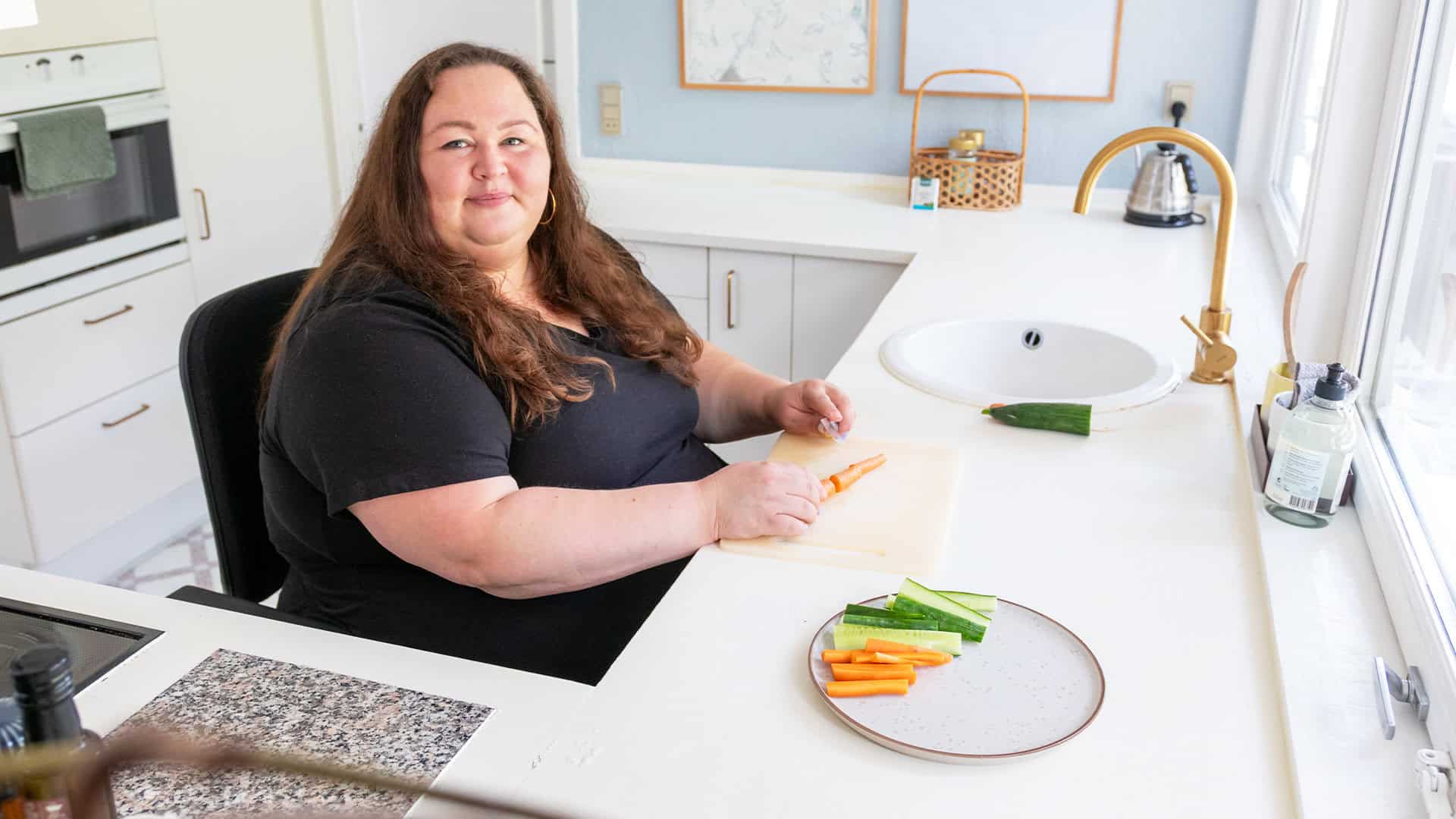
While nursing homes offer structured environments, many seniors and their families prefer the freedom and comfort of aging at home. To successfully navigate this desire for independence, innovative solutions such as the VELA mobility chair become pivotal. The VELA chair is a medically approved mobility solution designed primarily for home use, providing enhanced safety and autonomy. It delivers freedom of movement while seated, supporting daily activities such as cooking, dressing, or transferring without straining informal caregivers. Integrating tools like VELA into everyday life can significantly aid in reducing fall risks and enabling seniors to engage with their environment confidently.
Recent advancements in senior care have expanded the scope of support solutions available for aging in place. Modern home settings now increasingly incorporate smart home technologies, including voice-activated assistants, intelligent lighting, video doorbells, and smart smoke detectors, which help enhance safety and facilitate independent living. Wearable health monitors—such as the Apple Watch Series 8 and similar devices—are now widely adopted for real-time health tracking and fall detection, providing both seniors and caregivers with instant notification capabilities for emergency response. The use of telemedicine platforms has also accelerated, reducing the need for in-person appointments and increasing access to healthcare from home for those with mobility constraints or chronic conditions. These technologies represent an important shift in delivering personalized care and peace of mind, making it more feasible for seniors to remain at home longer and with greater confidence.OpenPR, 2025, Chattr.ai, 2025, University of Florida Aging Online, 2025
Supporting Aging in Place: A Practical Option
As seniors and their families weigh the options between remaining at home or transitioning to a more traditional care setting, practical support tools like the VELA chair can be transformative. Senior chair options by VELA, featuring central brakes for safety, electric height adjustability, and effortless maneuverability, can meaningfully delay the need for nursing home care. By addressing common challenges like mobility, energy conservation, and safe transfers, these solutions empower seniors with dignity and freedom in their daily routines. Whether it’s preparing a meal, relaxing comfortably, or maintaining a favorite hobby, the VELA chair illustrates how thoughtfully designed mobility aids can enhance the quality of life for those aging in place. While not the only solution available, its proven efficacy makes it a valuable option for many families committed to supporting their loved one’s independence at home.
Additionally, a growing trend in assistive device development is the focus on inclusive, user-centered design and ergonomic rehabilitation tools. Manufacturers and designers increasingly integrate feedback from older adults to ensure assistive products are comfortable, easy to use, and aligned with individual needs. Digital tools are now being incorporated into rehabilitation routines, supporting remote therapy and progress tracking that can be administered in the safety of a senior’s home. The adoption of AI-powered predictive analytics and automation not only enhances care personalization but also helps address operational challenges in the senior care industry—optimizing care planning, managing staffing, and adapting to rising costs.CLA Connect, 2025
Families and care providers must stay attuned to current regulatory and data privacy requirements as digital health and telemedicine become widespread. New guidelines encourage safe adoption of these technologies in home and care environments, balancing innovation with responsible cybersecurity practices to protect personal health information.HealthTech Magazine, 2025
References
- National Institute on Aging: Aging in Place
- U.S. Centers for Medicare & Medicaid Services – Home Health Services
- The Gerontologist (2023) – Home Care Research
- Agency for Health Care Administration – Florida
- VELA Chair – Mobility Solutions
- VELA Chairs – Senior Options
- VELA
- OpenPR, 2025 Disabled and Elderly Assistive Technology Industry Trends
- Chattr.ai: 5 Emerging Senior Living Trends for Resident Care in 2025
- University of Florida Aging Online: Assistive Technology Devices Helping Seniors Age in Place
- CLA Connect: Senior Living Industry Trends and Digital Innovation Drivers 2025
- HealthTech Magazine: Predictions for Senior Care Technology 2025