

Updated January 2026: We have updated the article with recent breakthroughs in smart, AI-integrated assistive technologies, including sensor-based mobility aids, voice-activated controls, real-time fall detection, and telehealth-connected devices. The article now features insights on hyper-personalized care plans, compact and foldable devices for active seniors, and the growing role of IoT ecosystems in supporting seniors’ independence and safety at home.
Navigating home care choices in Bellevue
As the demand for home care assistance in Bellevue rises alongside its aging population, seniors and their families increasingly seek personalized solutions that promote aging in place. This article offers a comprehensive guide to understanding the options available for home care in Bellevue, with insights into local demographics, economic considerations, and practical experiences in care management.
Understanding the need for home care in Bellevue
Bellevue hosts a vibrant elderly community, where 14% of its population is aged 65 or older (U.S. Census Bureau). Many seniors express a strong preference for remaining in their own homes. According to an AARP survey, 89% wish to age in place (AARP). Despite the city’s thriving economy, financial challenges persist for many seniors. Notably, nearly one-third of elderly renters in Bellevue spend over 50% of their income on housing, highlighting the need for accessible home care solutions (City of Bellevue Older Adults Community Report).
Consider Mrs. Anderson, a long-time Bellevue resident, whose fixed income struggles to cover high housing costs. Despite this, she aspires to age in her beloved home, exemplifying the need for affordable care options tailored to her circumstances. Similar challenges are common among Bellevue’s seniors, reinforcing the demand for bespoke care services (Bellevue Housing Needs Reports).
Exploring home care options: providers and services
Bellevue’s home care landscape is diverse, featuring reputable services such as Home Care Assistance, known for its personalized caregiver matching and commitment to ensuring all caregivers are screened, bonded, and insured. This service offers flexible hourly and live-in arrangements with 24/7 availability, making it a vital resource for families navigating care choices (Home Care Assistance Bellevue).
Recent advancements are transforming home care through deeper integration of technology and personalization. Modern mobility aids—including wheelchairs, walkers, and bathroom safety equipment—now commonly feature AI integration, IoT connectivity, and sensor-based smart devices. These advancements enable real-time fall detection, obstacle avoidance, voice-activated controls, and remote caregiver monitoring, which bolster independence and reduce risks for seniors (iHealthcareAnalyst, Provider Magazine). Wearable devices and AI-powered sensors support health tracking from heart rate variability to movement analysis, providing both real-time caregiver alerts and proactive interventions (Cyces, 2025). Telehealth-embedded durable medical equipment (DME) is increasingly available, giving seniors direct access to healthcare advice and monitoring without leaving their homes (Assisting Hands, 2026).
Smart home ecosystems now incorporate interconnected devices, such as automated locks, medication dispensers, motion sensors, and lights, which enhance safety and autonomy for seniors while adapting to personal routines (Cyces, 2025, GlobeNewswire, 2025). Compact and foldable smart devices meet the needs of active seniors and can be easily transported, maximizing mobility and independence both indoors and outdoors (iHealthcareAnalyst). Bathroom technologies can now provide app-based alerts to caregivers, preventing potential accidents through timely intervention (Assisting Hands, 2026).
Emerging alternatives, such as exoskeletons previewed for broader release by 2027, are particularly promising for seniors with severe mobility loss, supporting walking, standing, and transfer activities (iHealthcareAnalyst). Hyper-personalized care plans that incorporate data from wearable devices, smart home systems, and AI-based coaching enable holistic wellness tailored to each individual’s functional, medical, and social needs (Senior Housing News, 2026).
Other innovative devices such as NeuroVision Pro and VisionX AI Glasses provide real-time navigation, facial recognition, and text reading for visually impaired seniors. Smart wheelchairs featuring autonomous navigation, app-based controls, and built-in pressure sensors are increasingly integrated within home care plans to support safety, comfort, and independence (EqualAccessibility.co, 2025). Voice-activated controls enable easier use of mobility aids for seniors with limited hand function (iHealthcareAnalyst).
The caregiving workforce shortage has accelerated the adoption of digital caregiver support tools, including AI virtual assistants that offer medication reminders and foster social engagement to help reduce loneliness among seniors (AARP, 2025, Right at Home Pierce County, 2025). Rehabilitation and wellness programs for seniors are more frequently delivered via virtual platforms, including telehealth-based therapy and video-guided fitness or mindfulness sessions (Cyces, 2025).
Medicaid acceptance is crucial for low-income seniors, with over 75% of Bellevue’s adult family homes accepting Medicaid, providing essential financial support (Bellevue Demographic and Economic Data). For instance, Mr. Thompson, another Bellevue resident, utilized Medicaid to access crucial home care services, underscoring the program’s importance in making care accessible (Bellevue Needs Reports).
Economic considerations for home care in Bellevue
Bellevue is characterized by a high cost of living, with median property values reaching $1.2 million in 2023 (Data USA). Financial planning is essential for seniors considering home care. Fortunately, resources such as Hopelink provide critical support, offering financial aid and services like food banks to help seniors manage their incomes (City of Bellevue Older Adults Community Report).
Mrs. Nguyen, an elderly resident of Bellevue, benefits from both Hopelink’s food bank and Medicaid-covered home care, maintaining her independence despite financial strains. This scenario highlights local efforts to support low-income seniors (Bellevue Economic and Local Support Resources).
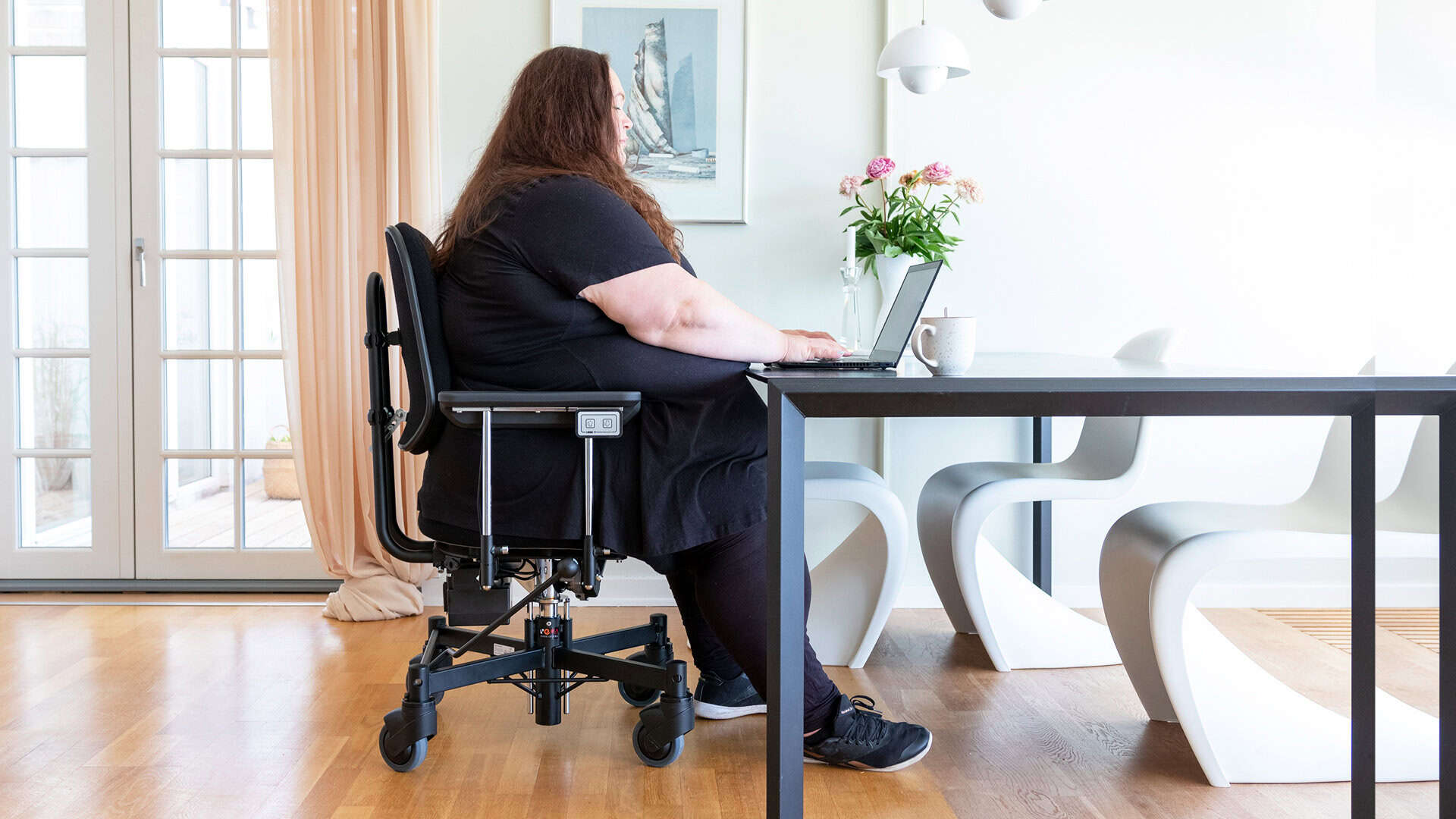
As many seniors navigate these economic and health challenges, maintaining independence at home often necessitates creative solutions. VELA chairs, a medically approved mobility aid, offer an innovative approach to preserving autonomy while living at home. Designed to enhance safety and freedom of movement, VELA chairs support daily activities such as cooking, dressing, and transferring, effectively reducing the physical load on informal caregivers. These chairs, equipped with features like a central brake for stability and ergonomic support, allow seniors to undertake everyday tasks with confidence, making them a compelling alternative to transitioning into nursing home care.
New advances in smart seating and ergonomic technologies further support independence. Modern assistive chairs and wheelchairs may now include integrated pressure sensors, adaptive seating that automatically adjusts to the user’s position, and connectivity features that allow remote caregiver monitoring and response. This technology helps prevent discomfort, pressure ulcers, and falls, resulting in fewer hospital visits for seniors (Provider Magazine, iHealthcareAnalyst). AI-driven personalization features help to fine-tune comfort and safety, supporting seniors to live at home with greater independence (Senior Housing News, 2026).
Exploring alternatives to nursing homes
For many seniors, the prospect of aging in place is increasingly viable due to innovations like VELA mobility chairs. These chairs support independent living by addressing key concerns such as safety and mobility. Equipped with a central brake system, VELA chairs ensure stability, crucial for preventing falls, a common concern among seniors. Their electric height adjustability and ease of movement while seated empower users to perform daily tasks like cooking or dressing independently, preserving dignity and freedom. By alleviating reliance on others for support, VELA chairs have the potential to delay or even prevent the transition to nursing home care. While not the only solution, VELA chairs represent a practical option for those seeking to maintain an active and fulfilling lifestyle within the comfort of their home. Smart wheelchairs, exoskeletons, and highly personalized ergonomic solutions further expand the ways seniors can manage mobility and daily routines safely (iHealthcareAnalyst, Assisting Hands, 2026, ThinkBeyondTheChair.org, 2025).
Broader adoption of connected and data-driven devices is supported by policy changes allowing insurance coverage for AI-powered tools and remote monitoring. Regulatory initiatives are evolving to address privacy and safety standards for telehealth, in-home IoT devices, and wearable health monitors, further encouraging use of these technologies in routine care for seniors (Provider Magazine, Senior Housing News, 2026).
Learn more about maintaining independent living solutions and discover how mobility aids for the elderly can transform everyday life for seniors.