

Updated January 2026: We have updated the article to reflect the integration of AI, IoT connectivity, and sensor-based smart devices in assistive technologies for seniors. The latest advancements include smart mobility aids with obstacle detection and fall prevention, sensor-equipped home adaptations, voice-activated controls, and increased use of wearables for personalized health monitoring and proactive care. The article now highlights emerging trends such as exoskeletons for mobility restoration, AI-driven health coaching, regulatory changes supporting insurance coverage for smart devices, and shifts toward hyper-personalized, data-driven care at home.
Tailored Home Care Solutions for Longmont’s Seniors
For many seniors in Longmont, the desire to age gracefully in their homes is paramount. This aspiration aligns with a striking national trend: nearly 90 percent of adults aged 65 and older prefer to remain in their current homes and communities, a concept commonly known as “aging in place,” according to CDC. However, accomplishing this goal often necessitates home care assistance, especially considering the area’s growing senior demographics.
Understanding Home Care Assistance in Longmont, CO
Home care assistance provides invaluable support to Longmont’s aging population. It encompasses a range of services, from personal care and companionship, which involves help with bathing and household chores, to skilled nursing that includes wound care and medication management. These services are tailored to enhance seniors’ quality of life. For instance, consider Mary, an 80-year-old Longmont resident experiencing difficulties with daily activities. She receives personal care services, ensuring she can maintain her independence and stay connected to her beloved community. Resources like the Boulder County Area Agency on Aging offer local information and support for such cases.
Profile of Longmont’s Older Adult Community
Longmont’s senior population is diverse, with approximately 17.8% aged 65 and above, highlighting a significant need for home care solutions, according to Census data. The majority are white non-Hispanic, but there is a growing Latino senior community that constitutes around 9% of residents over 60, as reported in the Boulder County Aging Well Report. These demographics bring unique health challenges like mobility issues and chronic conditions, necessitating culturally competent care. Take, for example, Jorge, a Latino senior who accesses tailored home care that respects his cultural needs.
Choosing a Home Care Provider: Local Options and Reviews
Selecting the right home care provider is crucial. Longmont hosts several top-rated providers, such as Home Helpers Home Care, praised for their quality service and cultural competence. Key factors in choosing a provider include caregiver training, emergency responsiveness, and multilingual support. The family of a local resident, Emma, attests to choosing Home Helpers based on these criteria, resulting in reliable care for her 78-year-old father. User reviews on platforms like A Place for Mom provide valuable insights for decision-making.
What Does Home Care Cost in Longmont?
Understanding the financial aspect of home care is vital. In Longmont, the median monthly cost for homemaker services is approximately $5,625, slightly higher than the state’s average, according to HomeCare.org. Payments can be managed through options like Medicare, Medicaid, and long-term care insurance. Consider Tom, who planned his finances to accommodate the expenses of a home health aide, ensuring continued care for his aging mother with the assistance of detailed cost insights from Medicare.gov.
Colorado Home Care Regulations: What Families Must Know
Colorado sets rigorous standards for home care agencies, ensuring quality and safety. These include comprehensive training, mandatory background checks, and ongoing inspections. The Colorado Department of Public Health & Environment outlines these standards, ensuring families can make informed decisions about their loved one’s care. Recent regulatory updates further support the adoption of assistive technologies within home care settings, promoting standardized guidelines and funding opportunities to encourage the use of digital health tools that enhance safety and independence. Additionally, regulatory shifts are increasingly moving toward insurance coverage for smart durable medical equipment (DME), especially devices with AI-driven features and connectivity, making advanced home safety and health monitoring more accessible for seniors.
OpenPR,
GlobeNewswire,
iHealthcareAnalyst
Tools and Technology for Safer Aging at Home: The Role of VELA Chairs
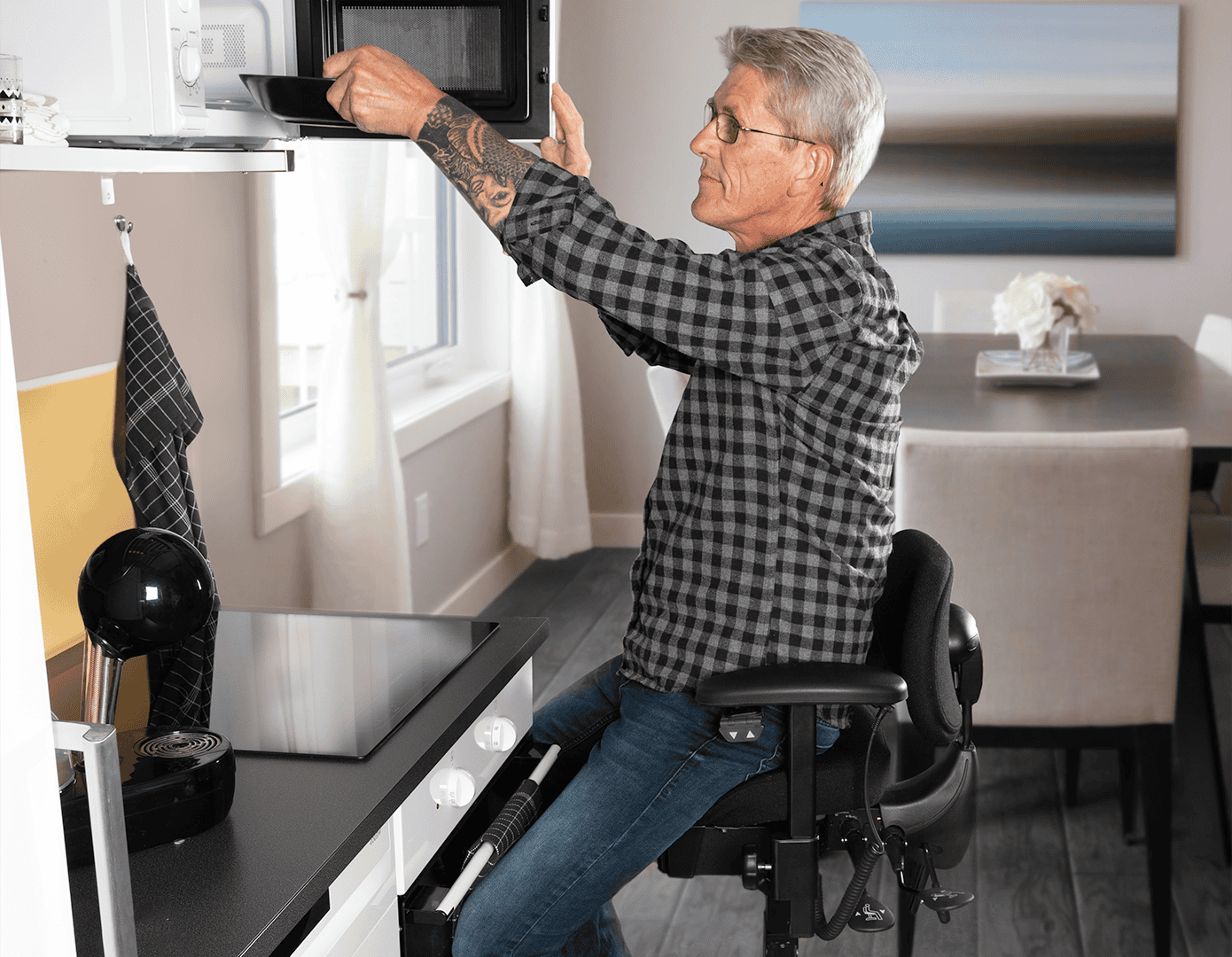
Innovative solutions like the VELA Independence Chair can greatly enhance safe aging at home. As older adults seek to remain independent, tools such as the VELA chair become crucial in providing support. This medically approved mobility chair offers enhanced safety with a central brake system, adjustable height, and easy maneuverability, allowing users to move freely while seated. Such features support daily tasks like cooking, dressing, and transferring, all while reducing the burden on informal caregivers. Assistance for Seniors at Home highlights how these chairs empower seniors to stay active in their own spaces.
Advancements in assistive technologies now offer even greater possibilities for safer and more independent living at home. The integration of wearable health devices, smart home automation, and user-friendly monitoring solutions enables proactive support and early intervention. Wearables can monitor vital health metrics, detect falls, and offer sleep insights, while smart environmental sensors and voice-activated systems provide non-intrusive safety monitoring and convenient control of home environments. AI-powered assistive robots, autonomous smart wheelchairs with obstacle detection and predictive fall analytics, and adaptive hearing aids using artificial intelligence are emerging, significantly enhancing personalized care and everyday safety. Robotic helpers are being developed to support daily activities and further reduce caregiver strain. Recent sensor technologies embedded in mobility aids and bathroom safety equipment, such as pressure-sensing grab bars, provide continuous fall detection and activity tracking, making these systems a core part of modern home care.
Cyces,
Channel Point Village,
iHealthcareAnalyst,
Seniors Blue Book,
UCLA Health,
Provider Magazine
Personalized, ergonomic, and compact device design—such as foldable smart mobility devices for travel—continues to accelerate, with 3D printing and customizable biomaterials now making it possible to create supports that specifically fit each individual’s needs and comfort. User-centric and co-creation approaches ensure that solutions directly reflect user feedback and preferences. Exoskeletons and wearable robotics are also emerging as promising options, particularly for people with severe mobility impairments, and are expected to expand further in the coming years.
NIH/PubMed,
iHealthcareAnalyst
Seniors and caregivers increasingly seek minimally intrusive, privacy-respecting monitoring, such as home IoT systems and smart care devices that alert caregivers to health or safety issues while preserving dignity. Inclusive product design is also advancing, featuring AI interfaces and devices that accommodate sensory and dexterity impairments—such as voice-activated controls for those with limited hand movement and visual/audio cues for those with sensory loss. Hyper-personalized care plans that use data from wearables, combined with personalized AI health coaching, are enhancing the management of chronic diseases and supporting proactive, aging-in-place strategies.
AskSamie,
iHealthcareAnalyst,
UCLA Health,
Senior Housing News
The role of telemedicine and virtual consultations continues to expand, supporting both real-time health monitoring and remote caregiver alerts through the integration of IoT-linked devices and smart home monitoring. AI-guided programs for rehabilitation now offer data-driven, personalized support for both mobility and cognitive needs, and best practices recommend leveraging predictive analytics for preventative fall intervention as part of standard home care technology.
Cyces,
Channel Point Village,
Provider Magazine
The assistive technology sector is growing rapidly, driven by aging demographics and government support, and is expected to continue expanding. Market and policy analysis highlight the increasing importance of data-driven, value-based models in home care, improved affordability through insurance coverage, and strong support for caregivers. These advances ensure safer, more autonomous, and comfortable living for seniors at home.
OpenPR,
GlobeNewswire,
iHealthcareAnalyst,
Senior Housing News
Frequently Asked Questions About Home Care in Longmont
- What are the most trusted home care companies in Longmont? Top contenders include Home Helpers Home Care and Right at Home, as recommended by numerous local families.
- How do I verify if an agency is licensed? Check the Colorado Department of Public Health & Environment database to confirm licensure and compliance with state standards.
- What financial assistance is available? Programs through Medicare, Medicaid, and the Boulder County Area Agency on Aging can offer support for eligible seniors.
- How is technology being used to support seniors at home? Technologies such as wearable health devices, sensor-equipped smart mobility aids, pressure-sensing bathroom safety tools, voice-activated home automation, AI-powered assistance, remote vital sign monitoring, IoT-linked caregiver alerts, virtual healthcare integration, and data-driven personalized care plans are now widely used in supporting seniors at home. These solutions improve fall prevention, communication, safety, and independence, and are increasingly included in insurance coverage for aging-in-place seniors.
Cyces,
Channel Point Village,
iHealthcareAnalyst,
UCLA Health,
Senior Housing News
In conclusion, Longmont offers a wealth of home care resources tailored to meet the unique needs of its senior residents. By choosing the right provider, understanding costs, and leveraging innovative tools and technology, including VELA chairs, smart mobility devices, and digital health solutions, families can ensure their loved ones are well-supported as they age in place. For more comprehensive options, consider the recommendations from the Boulder County Area Agency on Aging.
Supporting Aging in Place: A Practical Option
As the demand for effective home care solutions increases, the VELA Independence Chair emerges as a noteworthy option for promoting autonomy and safety among seniors. This innovative mobility chair is specifically designed to help older adults remain in their homes longer by addressing common challenges such as balance, stability, and energy conservation. Equipped with a central brake for preventing unwanted movement, electric height adjustability for ease of transitions, and simple navigation across home environments, the VELA chair aids in everyday activities like preparing meals and moving between rooms. By enhancing safety and reducing energy exertion, it minimizes the likelihood of premature relocation to nursing homes. Although not the only solution available, the VELA chair illustrates a proven approach to enhancing the quality of life for aging individuals while easing the pressures on caregivers.