

Updated January 2026: We have updated the article to reflect recent advances in assistive technology, including smart wheelchairs with autonomous navigation, adaptive sensor systems such as LUCI, all-terrain mobility robotics, AI-powered assistive glasses and haptic wearables, and the growing integration of smart home controls. The update also provides the latest on insurance and funding, accessibility barriers, and highlights two leading assistive technology conferences in 2026.
The Future of Home Care: Empowering Dallas’s Seniors for Independent Living
As Dallas experiences a significant increase in its elderly population, the demand for comprehensive home care assistance becomes ever more crucial. Home care services enable seniors to comfortably and safely age in their own homes. As of 2021, Dallas was home to approximately 140,120 residents aged 65 and older, amounting to 10.7% of the city’s population, according to the Dallas City Hall Senior Affairs Commission (source). This burgeoning demographic underscores the importance of available and compassionate in-home care services across the city.
Navigating the Essentials of Home Care Assistance in Dallas
Home care assistance in Dallas encompasses a wide range of non-medical support services, such as personal hygiene assistance, medication reminders, and companionship. These services are vital for seniors who wish to maintain their independence. For instance, a senior with mobility issues can continue living independently with the help of a caregiver who assists with daily tasks. According to the Bureau of Labor Statistics (source), home health aides, who play a pivotal role in providing these essential services, have a strong presence in Dallas.
Reviews from Caring.com highlight the transformative impact of home care services, with many local seniors and their families expressing improved quality of life thanks to the compassionate care they receive (source).
Understanding the Needs of Dallas’s Aging Community
The 65+ population in Dallas has been growing rapidly, bringing with it unique demographic and socio-economic challenges. Approximately 31,500 of these seniors live at or below the federal poverty level (source), a stark reminder of the accessibility hurdles within the community. Economic strains on seniors, along with challenges faced by home care workers—often living below the federal poverty line as noted by PHI National (source)—highlight the critical need for affordable care solutions. Anecdotes from local seniors reveal the uplifting role that home care can play in alleviating these burdens by providing consistent, reliable support, such as assistance with mobility and daily routine tasks.
Comprehensive Care Options: Medical and Non-Medical Services in Dallas
Whether for chronic illness management or assistance with daily tasks, Dallas offers a robust array of home care services. Providers extend both medical and non-medical assistance, making it easier for seniors to lead full and independent lives. For example, a customized care plan for a senior with diabetes may include dietary management and regular health monitoring, significantly enhancing their quality of life. According to industry statistics from Assisting Hands Preston Hollow (source), a tailored approach to care is a key component in meeting the diverse needs of seniors across Dallas.
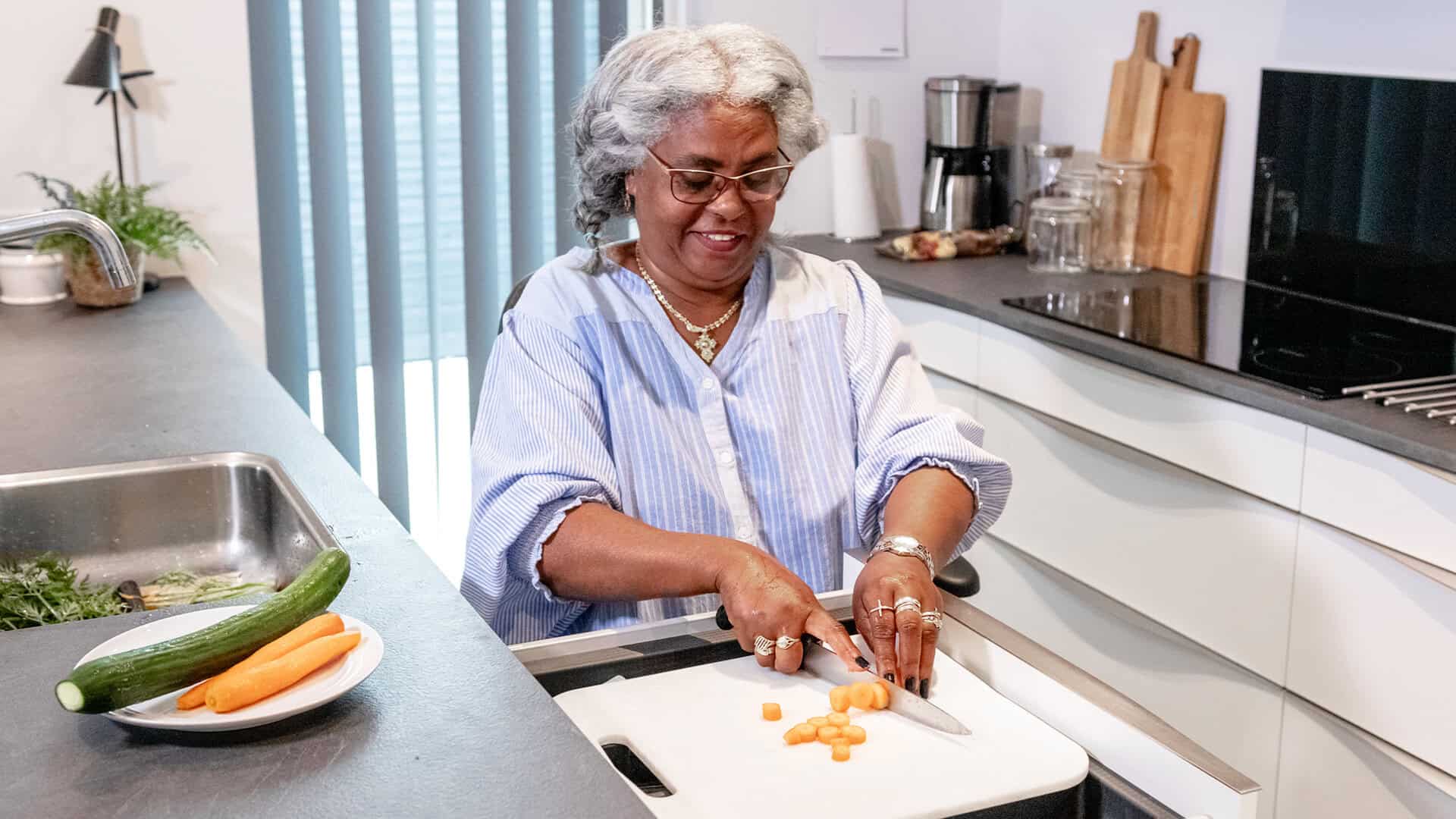
Transitioning from the struggles associated with traditional nursing homes, many seniors opt for more personalized care solutions that allow them to remain independent in their own homes. Mobility Chairs for Enhanced Independence, like those offered by VELA, are a medically approved innovation that supports this desire for autonomy. VELA chairs provide enhanced safety and freedom of movement while seated, making daily activities such as cooking, dressing, and transferring significantly easier. Additionally, these chairs ease the load on informal caregivers, facilitating the senior’s continued residence at home and offering both individuals and their families peace of mind.
The landscape of assistive technology has evolved rapidly. Recent innovations now include smart wheelchair technology with autonomous navigation using lidar sensors, allowing users to program destinations without manual input. Adaptive add-on systems like LUCI integrate smart sensors into existing power wheelchairs to automatically monitor pressure points and adjust positioning, increasing comfort and safety. All-terrain mobility robotics such as wheeled quadruped systems enable navigation of stairs, slopes, and rugged terrain—expanding access for seniors beyond the home environment. In addition, assistive glasses and haptic wearables now use AI to combine audio feedback and vibration patterns, enhancing navigation and supporting social interaction for users with visual or sensory challenges. Home assistance robots facilitate transfers, such as bed-to-wheelchair, and assist with household tasks—significantly reducing caregiver workload and reliance on manual assistance. Accessibility-focused transportation infrastructure, through AI-based systems, is also being deployed to improve pick-up and drop-off safety for users in autonomous vehicle environments (source) (source) (source) (source) (source).
Integration with smart home systems now focuses on voice control and automated adjustments, reducing reliance on manual operation. Personalization is at the forefront, with adaptive solutions that learn user habits and update settings in real time. Additionally, providers like LUCI now offer funding toolkits and medical necessity letters to assist with insurance coverage, making these technologies more attainable for seniors. However, real-world implementation challenges—such as affordability, product availability, and practical daily functionality—remain significant barriers, as highlighted in recent CES 2026 discussions (source) (source).
The shift toward interdisciplinary approaches—combining rehabilitation engineering, clinical care, and user-centered design—has been a defining trend in development and assessment of assistive technologies (source). This multidisciplinary focus considers not only technical and medical outcomes but also factors such as safety, cost-effectiveness, user acceptance, and ethical considerations like data privacy. Two key events—the Assistive Technology Conference at Duquesne University and the 2026 Assistive Technology Expo in Columbia, SC—provide opportunities for seniors, caregivers, and professionals to learn about the latest devices and best practices from leaders like Dr. Brad Dicianno (UPMC Center for Assistive Technology).
Choosing the Best Home Care Provider in Dallas for Your Needs
Selecting the right home care provider requires careful consideration of several factors, such as accreditation, caregiver qualifications, and client testimonials. Among the top-rated providers in Dallas is Home Care Assistance of Dallas, recognized for its compassionate and professional service (source). Families frequently praise the peace of mind that comes from knowing their loved ones are receiving exceptional care. Selecting the right provider involves leveraging available resources to ensure that seniors receive precisely the type of support they need.
When assessing providers, it is increasingly relevant to consider their familiarity with, and access to, the latest assistive solutions. Many leading agencies now offer advice and training on technologies such as smart wearables, AI-powered mobility devices, adaptive rehabilitation equipment, and the latest home robotics. Insurance coverage and funding are improving, with resources like provider toolkits and medical necessity letters streamlining the insurance process for advanced technologies (source) (source) (source) (source). Remaining accessibility barriers, particularly affordability and product functionality, are now central to ongoing discussions within the field (source).
Staying Independent at Home with Support
For seniors aiming to prolong their independence, VELA Chairs offer a transformative option that addresses common challenges such as safety and mobility. Features like a central brake enhance safety, while electric height adjustability offers flexibility for various activities, making it easier to navigate daily tasks. The chairs ensure freedom of movement while seated, which can delay or even eliminate the need for a nursing home. By placing emphasis on dignity, energy conservation, and safety, VELA Chairs empower seniors to engage in everyday activities like cooking and relaxing with minimal aid. Preventing Falls with Mobility Aids is one of the key benefits, reducing caregiver burdens and fostering a more supportive environment for aging in place. While VELA is not the sole solution, it provides practical and proven support for maintaining an independent lifestyle at home.
The integration of innovative assistive technologies—including smart wheelchairs with autonomous navigation, adaptive sensor add-ons, AI-powered wearable devices for environmental control, all-terrain mobility robotics, and systems that communicate seamlessly with smart home environments—allows seniors to manage routine tasks and their surroundings with less effort. Providers, users, and caregivers are encouraged to take advantage of educational opportunities at upcoming industry conferences, such as the Assistive Technology Conference and Assistive Technology Expo in 2026, where interdisciplinary collaboration and real-world training are central themes. These advances, combined with growing user-centered design and expanded funding options, are rapidly transforming independent living for Dallas’s seniors (source) (source).